Hey there, amazing parents and caregivers! Have you ever found yourself watching your little one play, wondering if they’re getting the most out of every giggle and every stack of blocks?
I know I certainly have! In our busy lives, it’s so easy for playtime to become just another box to check, or worse, devolve into endless screen time battles.
But what if I told you that harnessing the true power of play could be one of the most impactful things you do for your child’s development, setting them up for a lifetime of learning and creativity?
In today’s fast-paced world, where everything feels like a competition, it’s easy to get caught up in the pressure of structured learning.
Yet, I’ve personally discovered that the real magic often happens in the simplest, most intuitive moments of play. It’s not about expensive toys or complex curricula; it’s about understanding how children naturally learn and grow through exploration, imagination, and connection.
I’ve seen firsthand how a few thoughtful adjustments to playtime can spark incredible curiosity and foster essential skills, from problem-solving to emotional regulation, without adding any extra stress to your already full plate.
If you’re looking for fresh ideas to elevate your child’s playtime, nurture their budding talents, and create lasting memories, then you’re in the right place.
We’ll explore exactly how you can transform everyday play into extraordinary learning experiences.
Unlocking the Magic: The Science Behind Play’s Impact

More Than Just Fun: The Brain-Building Benefits
You know, it’s truly incredible when you stop to think about it – how something as seemingly simple as play can be so profoundly impactful on a child’s development.
For years, I just thought of playtime as a way for my kids to burn off some energy or keep themselves entertained while I tackled a mountain of chores.
But as I dove deeper into the research, and more importantly, as I observed my own children, I realized that play is actually their first language, their primary mode of learning.
It’s not just “fun”; it’s foundational brain-building work. When they’re pretending to be a superhero, they’re developing narrative skills and empathy.
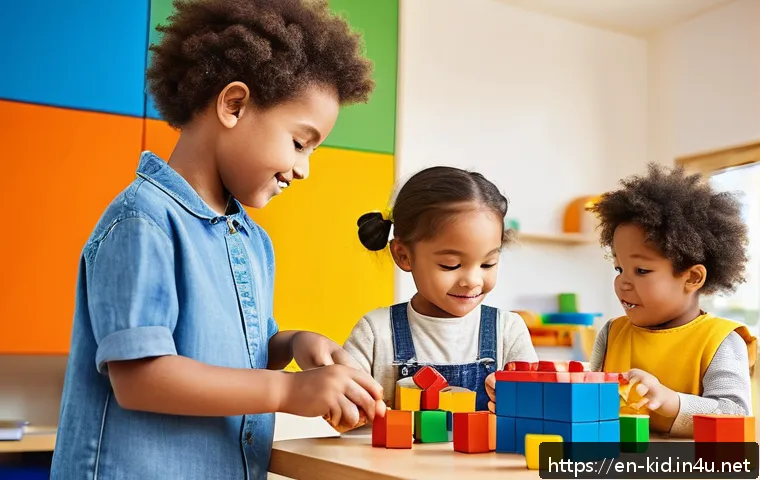
When they’re stacking blocks, they’re not just making a tower; they’re experimenting with physics, spatial reasoning, and problem-solving. Every giggle during a chase game is building gross motor skills and fostering social connection.
This isn’t just theory; neuroscientists have shown that play stimulates the prefrontal cortex, the part of the brain responsible for executive functions like planning, decision-making, and emotional regulation.
It’s like a gym for their developing minds, and frankly, I’ve seen the direct correlation between active, imaginative play and how easily my kids grasp new concepts in school.
It’s truly a game-changer when you understand the depth of it.
Fostering Resilience and Emotional Intelligence Through Play
One of the most powerful aspects of play that I’ve personally witnessed is its incredible ability to help children navigate their emotions and build resilience.
Think about it: during play, children encounter countless mini-challenges. A block tower tumbles, a friend doesn’t want to play the same game, or their imaginative scenario takes an unexpected turn.
These aren’t setbacks; they are opportunities disguised as play. When my youngest, Leo, was building an elaborate fort that kept collapsing, I watched his frustration mount.
Instead of stepping in immediately, I encouraged him to try a different approach, to think about why it fell and what he could do differently. He eventually figured out a sturdier base, and the look of triumph on his face was priceless.
That’s a lesson in perseverance that no textbook could teach. Similarly, group play teaches negotiation, sharing, and compromise – all vital components of emotional intelligence.
They learn to read social cues, understand different perspectives, and manage their own feelings when things don’t go exactly their way. I’ve seen my older daughter, Mia, resolve disputes with her friends during a tea party by suggesting they take turns being the queen, and it’s these little moments that truly shape their ability to thrive in the world, far beyond the playground.
Beyond the Basics: Different Types of Play and Why They Matter
Exploring the Spectrum: From Free Play to Structured Fun
When we talk about “play,” it’s easy to just picture kids running around outdoors or coloring at a table, right? But the world of play is so much richer and more diverse than that, and understanding the different types has really helped me guide my children’s development without over-scheduling them.
There’s the magical realm of “free play,” where children are completely in charge, choosing their own activities and setting their own rules. This is where the deepest creativity blossoms, where they truly explore their interests and develop self-direction.
Then there’s “guided play,” where an adult might introduce a concept or material, but the child still leads the exploration – like suggesting different ways to use playdough or asking open-ended questions about their block creation.
And yes, “structured play” has its place too, think board games, sports, or music lessons, which teach rule-following, strategy, and teamwork. I used to worry that “free play” wasn’t “productive” enough, but what I’ve observed is that it’s actually the most productive for fostering independence and problem-solving.
My approach now is to offer a balance, ensuring there’s plenty of time for spontaneous invention alongside some purposeful activities that stretch different skills.
It’s like a well-rounded diet for their minds and bodies.
The Unique Benefits of Nature Play and Imaginative Play
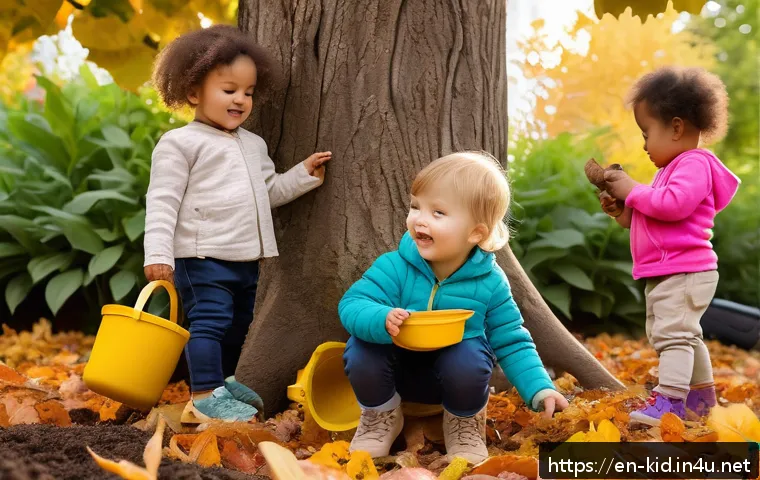
If there are two types of play I absolutely champion, it’s nature play and imaginative play. Honestly, they’ve been game-changers in our family. Nature play, for example, isn’t just about fresh air; it’s a sensory feast and an incredible opportunity for scientific discovery.
I’ve seen my kids spend hours fascinated by an ant colony, collecting leaves of different shapes, or building a dam in a small creek. These experiences awaken a sense of wonder and connection to the natural world that you just can’t replicate indoors.
They’re learning about ecosystems, physics, and observation without even realizing it. And imaginative play? Oh, where do I even begin?
This is where children become storytellers, inventors, and explorers of entire worlds within their minds. My kids can spend an entire afternoon transforming our living room into a pirate ship battling sea monsters or a bustling restaurant where they’re both the chef and the demanding customer.
It cultivates language skills, narrative development, empathy (stepping into different roles), and incredibly complex problem-solving. I’ve noticed that when they engage in deep imaginative play, their ability to focus and persist at tasks later is significantly enhanced.
It’s a powerful outlet for processing emotions and understanding the world around them from a safe distance, and I make sure to always carve out ample time for these two vital forms of exploration in our daily rhythm.
Crafting a Play-Rich Environment: Simple Steps for Big Rewards
Decluttering and Designing for Open-Ended Exploration
Creating a play-rich environment doesn’t mean buying every trendy toy on the market; in fact, I’ve found the opposite to be true. Over the years, I’ve learned that less is often more when it comes to toys.
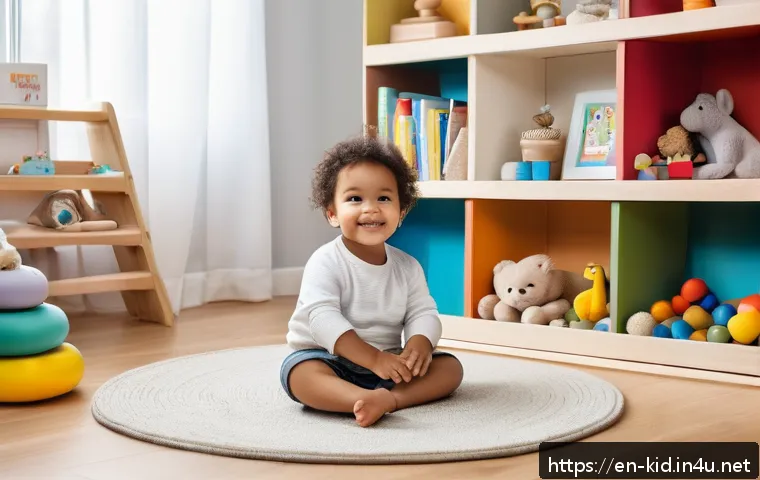
A cluttered space with too many options can actually be overwhelming and stifle creativity. Instead of a mountain of plastic, I’ve focused on curating a collection of open-ended toys that can be used in countless ways: wooden blocks, scarves, loose parts like pebbles and sticks, art supplies, and dress-up clothes.
These are the tools that spark imagination, allowing children to be the architects of their own play. I often rotate toys, putting some away and bringing them out later, which keeps things fresh and exciting.
When the environment is simple and inviting, children are more likely to dive into deep, sustained play. It’s about creating spaces where they feel safe to explore, experiment, and even make a mess (within reason, of course!).
My kids actually play *more* now that we have fewer toys because they’re forced to be more resourceful and imaginative with what’s available. It’s a journey, not a destination, but the rewards are truly wonderful.
The Power of “Loose Parts” and Everyday Objects in Play
This is one of my favorite “secrets” to enriching playtime without breaking the bank: embrace loose parts! If you haven’t heard the term, “loose parts” are simply materials that can be moved, carried, combined, redesigned, stacked, and pulled apart in countless ways.
Think cardboard boxes, bottle caps, fabric scraps, pinecones, buttons, empty toilet paper rolls, or even old kitchen utensils. I stumbled upon this concept a few years ago and it completely transformed how my kids play.
Instead of a toy with one purpose, a collection of loose parts offers infinite possibilities. A cardboard box isn’t just a box; it’s a spaceship, a house, a car, or a stage.
A few colorful scarves can become capes, rivers, or blankets for imaginary babies. I’ve seen my kids construct incredibly intricate contraptions and scenarios using items I would have once considered trash.
It encourages incredible problem-solving, engineering skills, and abstract thinking. Plus, it’s amazing for fine motor development as they manipulate different textures and shapes.
This approach not only stimulates creativity but also teaches resourcefulness, showing children that incredible fun and learning can come from the most unexpected places right within our own homes.
Screen Time vs. Green Time: Balancing Digital and Outdoor Adventures
Setting Healthy Screen Boundaries for More Playful Engagement
Let’s be real, managing screen time in today’s digital world is a constant tightrope walk for us parents. I know I’ve struggled with it, feeling the pull of needing a moment of quiet versus the guilt of too much iPad time.
But what I’ve discovered through trial and error, and a lot of reading, is that setting clear, healthy boundaries isn’t about deprivation; it’s about creating space for richer, more meaningful forms of engagement.
It’s not just about what they’re missing out on developmentally, but also about the incredible benefits of open-ended play that screens simply can’t replicate.
We’ve implemented a “screen time budget” in our home, where the kids earn minutes for chores or reading, and they have specific times they can use devices.
I’ve noticed a huge shift: when screens aren’t constantly available, they naturally gravitate towards creative play, building forts, drawing, or exploring the backyard.
It’s not always easy, and there are certainly days where the temptation for a quick digital fix is strong, but the long-term gains in their imagination, social skills, and overall happiness are absolutely worth the effort.
It’s about empowering them to choose real-world experiences over passive consumption.
Embracing the Outdoors: The Untapped Potential of Nature Play
If there’s one thing I could shout from the rooftops to every parent, it’s this: get your kids outside! Seriously, it’s a non-negotiable in our family routine, and for good reason.
“Green time” isn’t just a quaint idea; it’s absolutely vital for physical and mental well-being, and it provides some of the richest play experiences imaginable.
From the moment my kids step out into the garden or a local park, their senses awaken. They’re hearing birds, feeling the wind, smelling fresh earth, and seeing vibrant colors.
This sensory input is incredibly important for their developing brains. Beyond that, the outdoors offers an unparalleled playground for gross motor skills – running, jumping, climbing trees, balancing on logs.
These activities build strength, coordination, and confidence. But it’s more than just physical; nature fosters a deep sense of wonder and curiosity. I’ve watched my children become natural scientists, examining insects, observing weather patterns, and even creating elaborate “potions” from mud and leaves.
It teaches them about the interconnectedness of life, the beauty of the natural world, and sparks an environmental consciousness that I believe is so important for their future.
Honestly, some of our most treasured family memories are made during these outdoor adventures, even the rainy ones!
The Power of Presence: How to Be a Playful Parent

Balancing Active Participation with Independent Play
One of the biggest lessons I’ve learned on my parenting journey is finding that sweet spot between being an engaged playmate and allowing space for independent play.
Initially, I thought being a “good” parent meant constantly being involved in my children’s games. While there’s immense value in playing *with* your kids – it builds connection, models social skills, and creates beautiful memories – I quickly realized that constantly directing their play can actually stifle their creativity and autonomy.
My current approach is more like an ebb and flow. I make a conscious effort to dedicate specific chunks of time each day to truly get down on their level and engage in their imaginative worlds, whether it’s building a giant LEGO castle or pretending to be silly animals.
During these times, I try to follow their lead, asking open-ended questions like “What happens next?” or “How can I help?” But I also recognize the crucial importance of stepping back and giving them the freedom to explore on their own.
This independent play is where they truly flex their problem-solving muscles and develop self-reliance. It’s about being present and available when they need you, but also trusting them to navigate their own adventures, knowing that both types of engagement are equally vital.
Asking Open-Ended Questions to Fuel Curiosity
This might sound like a small tip, but trust me, it’s a game-changer for fostering deeper engagement during playtime: learn to ask open-ended questions.
Instead of “What’s that?”, try “Tell me about what you’re building.” Instead of “Are you having fun?”, ask “What’s the most exciting part of this game?” The difference is subtle but profound.
Closed-ended questions often lead to one-word answers and can shut down conversation. Open-ended questions, however, invite children to elaborate, explain their thinking, and articulate their creative process.
I’ve noticed that when I started using this approach, my children’s play became much richer and more sustained. They would dive deeper into their imaginative worlds, explaining the backstory of their characters or the engineering behind their latest creation.
It shows them that you value their ideas and are genuinely interested in their perspective. It’s also a fantastic way to model critical thinking and language development.
Sometimes, the best way to participate isn’t to dictate the play, but to gently guide and expand it through thoughtful questions. It encourages them to think critically, express themselves, and ultimately, take ownership of their play experiences.
Making Play Sustainable: Tips for Busy Families
Incorporating Play into Daily Routines Without Overwhelm
I get it. Life as a parent is busy, often overwhelmingly so. The idea of adding “more play” can feel like just another item on an already impossible to-do list.
I used to feel that way too, constantly battling the clock and wondering how to squeeze in meaningful playtime. But what I’ve learned is that sustainable play isn’t about grand, elaborate setups every day.
It’s about weaving playful moments into the fabric of our daily lives, making it a natural, organic part of our routine rather than a separate, scheduled event.
Think about those “in-between” moments: singing silly songs during diaper changes, turning a walk to the mailbox into a scavenger hunt, telling knock-knock jokes while making dinner, or even letting them “help” with chores by making it a game.
These small, intentional moments add up, creating a culture of play in your home without adding significant stress. It’s about shifting your mindset from “I need to *plan* play” to “How can I *find* play in what we’re already doing?” These micro-moments of joy and connection are incredibly powerful, and they make daily life feel less like a series of tasks and more like a shared adventure.
The Value of Playdates and Community Play Initiatives
While family play is invaluable, I’ve also come to truly appreciate the incredible benefits of playdates and community play initiatives for both my children and for me as a parent.
There’s a certain magic that happens when children play together in a group, especially without constant adult intervention. They learn social negotiation, conflict resolution, sharing, and compromise in a way that just doesn’t happen when it’s only siblings or parent-child interactions.
They build confidence in new social settings and develop those crucial peer relationship skills. I make an effort to organize regular playdates, sometimes at our home, sometimes at a local park or community center.
It’s not just great for the kids; it’s also a fantastic way for me to connect with other parents, share experiences, and feel supported. Look into local libraries, community centers, or even online parent groups – often there are free or low-cost playgroups and events that can provide wonderful opportunities for your children to interact with others and explore new environments.
It truly takes a village, and these community connections are a vital component of fostering a rich, well-rounded play experience for our children and building our own support networks.
| Type of Play | Key Benefits for Child Development | Example Activities |
|---|---|---|
| Free Play | Encourages creativity, independence, problem-solving, self-direction. | Building with loose parts, imaginative role-playing, drawing without prompts. |
| Guided Play | Develops specific skills within a flexible framework, fosters inquiry. | Exploring scientific concepts with simple materials, storytelling with prompts. |
| Nature Play | Enhances sensory development, gross motor skills, scientific observation, environmental awareness. | Exploring woods, building mud kitchens, collecting natural items, gardening. |
| Imaginative Play | Boosts language, empathy, narrative skills, emotional processing, abstract thinking. | Dress-up, creating imaginary worlds, puppet shows, pretend cooking. |
| Structured Play | Teaches rule-following, strategy, teamwork, sportsmanship, focus. | Board games, organized sports, music lessons, puzzles with specific goals. |
Nurturing Creativity and Problem-Solving Through Play
Cultivating Ingenuity with Open-Ended Materials
When I think about the goal of raising resourceful, creative thinkers, I always come back to the power of open-ended play materials. As parents, it’s so tempting to buy toys that *do* things – the ones with all the buttons and flashing lights.
But what I’ve consistently seen in my own home, and what countless experts confirm, is that the simpler the toy, the more a child has to *do* to play with it.
This is where true ingenuity sparks! Give a child a highly specific toy, and their play is often limited to that toy’s intended function. But give them a set of plain wooden blocks, a collection of fabric scraps, or even just some empty boxes, and suddenly the possibilities are endless.
They become the architects, the engineers, the storytellers. They have to imagine what the object *could* be, how it *could* be used, and how to make their vision a reality.
This process of ideation, experimentation, and adaptation is the very essence of problem-solving and creative thinking. I’ve watched my children spend hours transforming a simple cardboard box into a spaceship, a puppet theater, and a robot in the span of an afternoon, each transformation requiring a new set of creative solutions.
It’s truly incredible how much their minds stretch and grow when given the freedom to lead.
Embracing Mistakes as Stepping Stones to Innovation
One of the most profound lessons play teaches is that mistakes aren’t failures; they’re integral parts of the learning process. As a recovering perfectionist myself, this was a huge mindset shift I had to embrace, not just for my kids but for me too!
Think about a child building a tower that topples, or a drawing that doesn’t quite turn out how they imagined. In a high-stakes, structured learning environment, these might be seen as errors.
But in the world of play, they are simply invitations to try again, to innovate, to adjust the plan. I’ve always tried to cultivate an atmosphere where “oops” moments are met with curiosity rather than criticism.
When Leo’s elaborate fort collapsed, instead of saying “Oh no, you did it wrong,” I’d ask, “Hmm, what do you think happened there? What could we try differently next time?” This approach encourages resilience and a growth mindset.
It teaches them that persistence pays off and that every “failed” attempt offers valuable information for the next try. This willingness to experiment, to iterate, and to view challenges as opportunities for innovation is a critical life skill that starts right there, on the playroom floor, amidst the scattered blocks and crumpled drawings.
글을마치며
Whew! What a journey we’ve been on, exploring the incredible world of play and its profound impact on our children’s lives. Honestly, diving into this topic has been such an eye-opener for me, both as a parent and as someone who loves watching little humans grow. It’s easy to get caught up in the hustle and bustle, the academic pressures, and the endless to-do lists, often viewing play as just a filler. But as we’ve discussed, it’s anything but! It’s the very engine of development, the fertile ground where creativity, resilience, and true understanding take root and flourish. I truly hope this deep dive encourages you to embrace play not as an optional extra, but as an essential, joyous, and truly magical part of your family’s everyday life. Let’s make more room for imagination, discovery, and those priceless moments of pure, unadulterated fun!
알아두면 쓸모 있는 정보
Here are some quick, actionable tips I’ve picked up along my parenting journey that I find incredibly useful for fostering a play-rich environment without adding to the overwhelm:
1. Observe Before You Intervene: Sometimes, the best way to support your child’s play is simply to watch them. You’ll gain valuable insights into their interests and developmental stage, and often, they’ll figure things out on their own if given the space. You might be surprised at their ingenuity when you’re not jumping in to “fix” things.
2. Rotate Toys Regularly: I used to have all the toys out all the time, which led to a chaotic play area and my kids getting bored quickly. Now, I rotate a selection of toys every few weeks, keeping things fresh and exciting. It’s like having new toys without actually buying anything!
3. Designate a “Loose Parts” Bin: Get a simple storage bin and fill it with everyday items like cardboard tubes, bottle caps, fabric scraps, pinecones, or even old keys. These open-ended materials are incredible for sparking creativity and problem-solving without needing fancy instructions or batteries.
4. Prioritize Outdoor Time, Rain or Shine: Even 30 minutes outside can make a world of difference. Nature offers a constantly changing environment for exploration and sensory input that you simply can’t replicate indoors. Dress for the weather and embrace puddles – those are often the best memories!
5. Ask Open-Ended Questions: Instead of simple yes/no questions, try asking “What happens next?” or “Tell me about what you’re making.” This encourages your child to elaborate, tell stories, and deepen their engagement with their play, fostering language development and critical thinking.
중요 사항 정리
Ultimately, the core message here is that play is paramount. It’s not just a pastime; it’s the vital work of childhood, foundational for building brains, fostering emotional intelligence, and cultivating creative, resilient individuals. We’ve seen how different types of play contribute unique benefits and how crafting a simple, stimulating environment with open-ended materials can unlock incredible ingenuity. Balancing screen time with green time and finding that sweet spot between active participation and independent exploration are also key. Remember, you don’t need elaborate setups or expensive toys. Often, the most profound play experiences come from the simplest moments, the freedom to explore, and the loving presence of a parent who understands the incredible power of just letting kids be kids. Embrace the mess, cherish the giggles, and trust in the magic of play.
Frequently Asked Questions (FAQ) 📖
Q: How can I make playtime truly impactful for my child’s development without it feeling like just another chore on my already overflowing to-do list?
A: Oh, I totally get this! As a parent myself, I’ve often felt that pressure to “optimize” everything, including playtime. But here’s my secret: the magic isn’t in adding more complexity, it’s in embracing simplicity and presence.
I’ve found that one of the most impactful things we can do is to be genuinely present with our kids, even if it’s just for 15-20 minutes. Put away your phone, get down on their level, and simply observe what they’re doing.
Ask open-ended questions like, “What are you building here?” or “Tell me about this adventure!” You’ll be amazed at how much deeper their play becomes when they feel truly seen and heard.
For instance, my little one used to just line up cars, but once I started asking about their “journey” or who was driving, he began creating elaborate stories.
It’s about being a facilitator, not a director. You’re giving them the space to lead, and that’s where their creativity and problem-solving skills truly blossom.
Trust me, it feels less like a task and more like a joy when you connect with them on their terms.
Q: My child seems to gravitate towards screens more and more. How can I gently shift their interest back to more imaginative or hands-on play, especially when I’m short on new ideas myself?
A: This is a struggle so many of us face, and you are absolutely not alone! I’ve been there, watching my kiddo mesmerized by a tablet, wondering if they’d ever look at a set of blocks again.
What I’ve learned is that it’s not about outright banning screens, but about offering exciting alternatives and making those alternatives easily accessible.
One tip I swear by is creating “invitations to play.” For example, instead of just dumping out LEGOs, I might set up a small scene with a few pieces, maybe a little animal figure, and a “challenge” like “Can you build a house for this fox?” Or, I’ll grab some empty cardboard boxes, a few markers, and declare it “design-your-own-spaceship day!” You’d be surprised how often they’ll abandon the screen for a chance to build, draw, or create something new.
Another thing that’s worked wonders for me is involving them in practical, everyday tasks. My kids love helping me bake cookies, sort laundry, or even “paint” the fence with water and a big brush.
It taps into their natural desire to contribute and mimics the real-world experiences they crave. It’s all about making play feel like an adventure, not a chore, and sometimes, that means us setting the stage!
Q: Do I really need to invest in a bunch of expensive educational toys to ensure my child is developing properly through play? My budget is tight, and I’m worried I’m not doing enough.
A: Absolutely not! Please, let me put your mind at ease right away – some of the most profound learning experiences I’ve witnessed (both in my own home and with friends’ kids) have come from the simplest, most inexpensive “toys.” Think about it: a cardboard box can be a rocket ship, a castle, or a fort.
A set of measuring cups and a bowl of water turn into a fantastic science experiment in the bathtub. Playdough, sticks, stones, leaves, old clothes for dress-up, even pots and pans for a kitchen band – these are gold!
I’ve personally seen my kids spend hours creating entire worlds with just a blanket and some pillows. The true value isn’t in the price tag of an item, but in its open-ended nature.
Toys that have one specific function often limit imagination, whereas simple materials encourage children to problem-solve, invent, and create. Focus on providing materials that spark curiosity and can be used in multiple ways.
You’ll not only save money but also foster a deeper sense of creativity and resourcefulness in your child. It’s about providing opportunities, not just things.