In today’s fast-evolving world, the importance of early childhood education is a hot topic among parents and educators alike. With new research constantly emerging, many families find themselves weighing the potential benefits against possible drawbacks when deciding on the best start for their child.
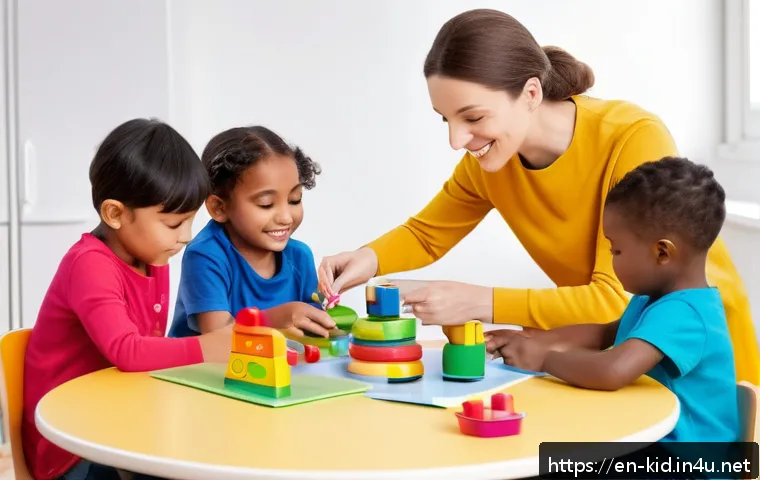
Whether you’re curious about cognitive development, social skills, or long-term academic success, understanding both sides of early education can help you make an informed choice.
Join me as we explore the realities behind early learning programs and uncover what truly matters for your child’s future. This insight might just change the way you look at those crucial early years.
Balancing Structured Learning and Play in Early Childhood
How Play Shapes Cognitive Growth
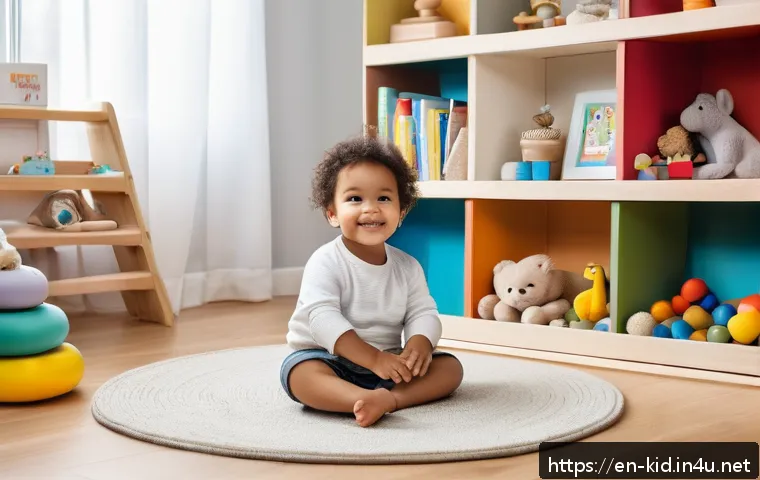
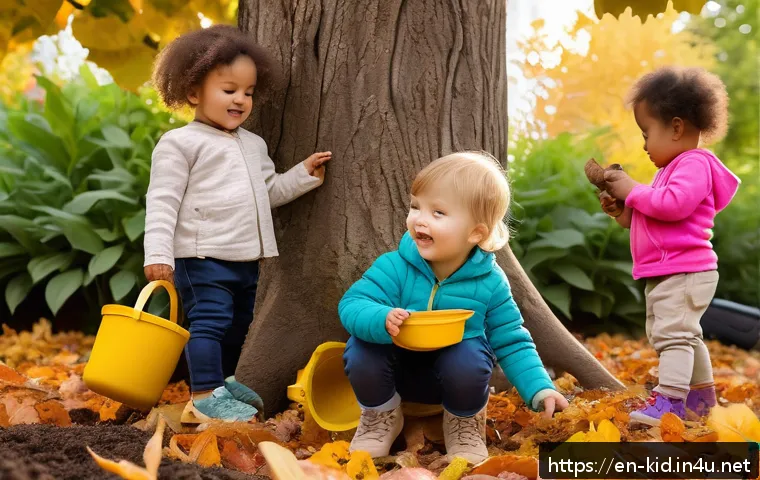
Play isn’t just fun and games; it’s a powerful catalyst for brain development in young children. When kids engage in imaginative or free play, their brains forge new neural connections that underpin problem-solving, creativity, and memory.
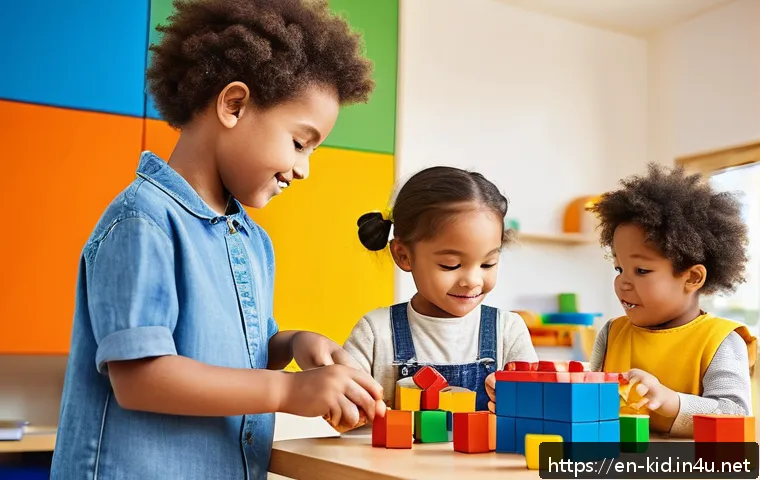
From my own observations, children who have ample time for unstructured play tend to develop better focus and adaptability later on. It’s fascinating to see how building a simple block tower or pretending to be a chef actually nurtures complex thinking skills without the pressure of formal lessons.
This natural learning process often outperforms rigid curricula in fostering genuine curiosity and joy in discovery.
Structured Activities: Benefits and Limits
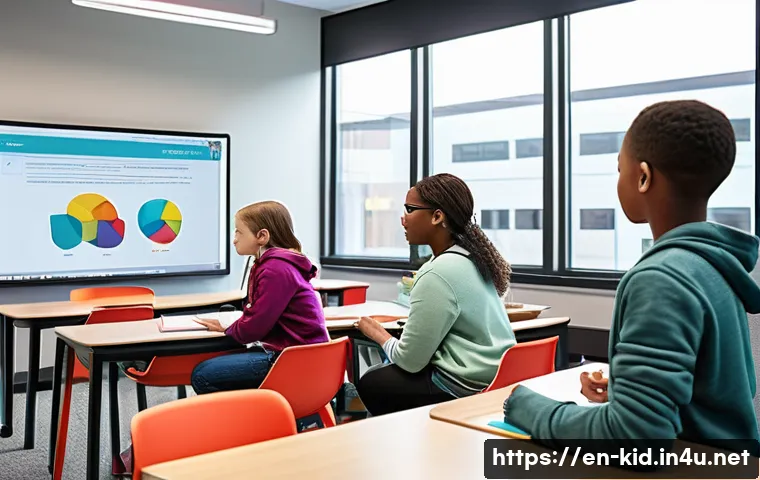
On the flip side, structured early education programs introduce children to routines and specific skill sets that can jumpstart academic readiness. For example, learning letter recognition or basic math concepts early on can ease the transition to kindergarten.
However, I’ve noticed that overly rigid schedules can sometimes stifle a child’s enthusiasm and creativity. The key seems to lie in blending structured learning with flexibility—so children aren’t just ticking boxes but are engaged in meaningful, age-appropriate challenges.
This balance helps kids build confidence and resilience without feeling overwhelmed.
Finding the Sweet Spot
From my experience, the ideal early learning environment is one that integrates both play and structured learning thoughtfully. Parents and educators can look for programs that emphasize exploration and hands-on activities alongside guided instruction.
Observing how a child responds to different settings can provide clues—do they light up when given freedom to create, or do they thrive with clear goals and feedback?
Tailoring early education to a child’s unique temperament and interests often leads to the most rewarding outcomes, setting a foundation for lifelong learning.
Social Skills Development Beyond the Classroom
Early Peer Interaction and Emotional Intelligence
One of the most impactful aspects of early education is the opportunity for children to interact with peers in a supervised setting. From personal experience, children who start socializing early tend to develop stronger emotional intelligence, including empathy and cooperation.
Sharing toys, taking turns, and resolving conflicts are daily lessons that formal schooling rarely teaches directly but are critical for future success.
Witnessing shy kids gradually open up and build friendships in early programs has been truly heartwarming and speaks volumes about the social benefits of group learning.
Challenges of Early Socialization
While social interaction offers many benefits, it can also introduce challenges, especially for kids who are naturally introverted or sensitive. Some children may experience anxiety or difficulty adjusting to group dynamics, which can affect their confidence and willingness to participate.
I’ve seen parents struggle with whether to push their kids into early social settings or allow more time at home. It’s important to recognize that social skills develop at different paces, and forcing early interaction without support can backfire.
Providing gentle encouragement and a safe environment is crucial.
Long-Term Impact on Relationship Skills
Developing social skills early on has a ripple effect throughout a child’s life. Those who learn cooperation and communication early are often better equipped to navigate friendships, teamwork, and leadership roles later.
In my conversations with educators, they emphasize that early social competence correlates strongly with academic and career success. Encouraging emotional expression and respectful listening in early years builds a foundation that benefits children well beyond school walls.
Academic Preparedness and Lifelong Learning Habits
Jumpstarting Literacy and Numeracy
Early exposure to reading and numbers can give children a noticeable edge when they enter formal schooling. Programs that incorporate storytelling, phonics, and simple math games tend to boost vocabulary and numerical understanding, which I’ve observed translate into smoother academic transitions.
However, it’s vital these activities are presented in a playful and engaging manner. Kids remember stories and games far better than rote drills, which can be dull or intimidating at a young age.
Instilling a Love for Learning
One of the greatest gifts of early education is fostering a genuine love for learning. From my experience volunteering in early childhood centers, the most successful programs are those that inspire wonder and excitement about the world.
When children associate learning with fun and discovery, they develop intrinsic motivation that fuels lifelong curiosity. Conversely, when early education feels like pressure or obligation, children may resist learning later on.
Striking the right tone early is key to nurturing enthusiastic learners.
Addressing Diverse Learning Styles
Not all children absorb information the same way. Some are visual learners, others auditory or kinesthetic. Quality early education recognizes this diversity and offers multiple pathways for children to grasp concepts.
I’ve noticed that programs incorporating music, movement, and hands-on activities tend to engage a wider range of learners effectively. This individualized approach helps prevent frustration and supports a more inclusive, empowering learning environment.
Emotional Wellbeing and Early Education
Building Confidence Through Achievement
Achieving small milestones in early education can significantly boost a child’s self-esteem. I’ve seen shy children beam with pride after mastering a new skill or completing a project, which motivates them to tackle new challenges.
These early successes create a positive feedback loop that reinforces resilience and a growth mindset. Encouraging effort over perfection is essential in nurturing confident, emotionally healthy kids.
Risks of Pressure and Burnout
On the downside, pushing children too hard too early can lead to stress and burnout. Some families may unintentionally impose high expectations that create anxiety rather than excitement.
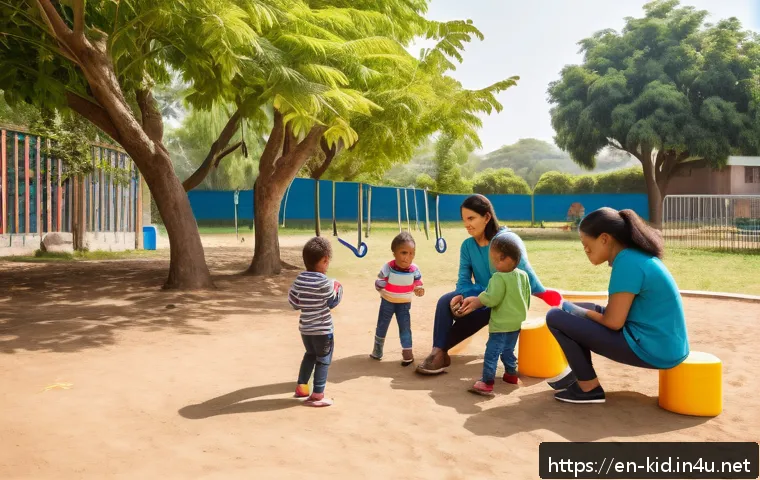
I’ve talked to parents who regret enrolling their toddlers in intensive programs that left their kids exhausted and unhappy. Balancing encouragement with sensitivity to a child’s limits is critical.
Emotional wellbeing should never be sacrificed for academic gains.
Supporting Emotional Regulation Skills
Early education programs that include activities aimed at recognizing and managing emotions help children develop crucial self-regulation skills. From role-playing scenarios to mindfulness exercises, these tools enable kids to cope with frustration and disappointment.
I found that children with better emotional regulation perform better socially and academically, as they can focus and engage more effectively. Integrating these lessons early builds a foundation for mental health.
Accessibility and Equity in Early Childhood Programs
Cost Barriers and Quality Disparities
One major hurdle many families face is the cost of quality early education. From my conversations with parents, affordable options often come with compromises in teacher training, class size, or resources.
This inequality means that not all children have the same opportunities to benefit from early learning, which can widen achievement gaps. Addressing affordability and funding is crucial to making early education equitable and inclusive.
Community and Government Initiatives
There are promising initiatives aimed at increasing access, such as publicly funded preschool programs and community-based centers offering sliding-scale fees.
In areas where these programs exist, I’ve noticed improved school readiness and reduced stress on families. Government policies that prioritize early childhood education as a public good have the potential to level the playing field and promote social mobility.
Parental Involvement as an Equalizer
Regardless of program access, parental involvement plays a huge role in early development. Simple activities at home—reading aloud, playing educational games, talking about emotions—can complement formal education and boost outcomes.
I’ve seen families who actively engage with their children’s learning create a nurturing environment that offsets some disparities. Empowering parents with resources and guidance is a vital part of the equation.
Long-Term Outcomes: What the Research and Experience Show
Academic Achievement and Career Prospects
Longitudinal studies often highlight that children who attend quality early education programs tend to perform better academically and have higher graduation rates.
From educators I’ve worked with, these benefits extend into career success, as early skills in literacy, numeracy, and social interaction lay a foundation for future opportunities.
However, these gains depend on the quality and consistency of early experiences rather than mere enrollment.
Behavioral and Health Impacts
Beyond academics, early education influences behavior and health. Programs that incorporate nutrition, physical activity, and emotional support contribute to better physical and mental health outcomes.
I’ve witnessed that children who develop healthy habits early often carry them into adulthood, reducing risks of chronic illness and behavioral problems.
Holistic early education that attends to body and mind is essential.
Summary of Key Early Education Factors
| Factor | Positive Impact | Potential Challenges |
|---|---|---|
| Play-Based Learning | Enhances creativity, problem-solving, and engagement | May lack structure for some learners |
| Structured Curriculum | Prepares for academic skills and routines | Can cause pressure and reduce creativity |
| Social Interaction | Builds emotional intelligence and cooperation | May overwhelm introverted children |
| Emotional Support | Develops confidence and self-regulation | Requires sensitive implementation |
| Accessibility | Promotes equity and broad benefits | Cost and quality disparities limit access |
In Conclusion
Balancing play and structured learning in early childhood is essential for nurturing well-rounded development. When thoughtfully combined, these approaches foster creativity, social skills, and academic readiness. Recognizing each child’s unique needs helps create a supportive environment where learning is both joyful and effective. Early education lays the groundwork for lifelong success and emotional wellbeing.
Helpful Information to Keep in Mind
1. Play is not just leisure—it’s a vital part of cognitive growth that builds problem-solving and creativity skills naturally.
2. Structured activities help develop foundational academic skills but should be flexible to maintain a child’s enthusiasm.
3. Early social interactions boost emotional intelligence but require sensitivity to individual temperament and comfort levels.
4. Encouraging a love for learning through engaging, diverse methods promotes motivation and long-term academic success.
5. Accessibility and parental involvement play critical roles in ensuring equitable early education opportunities for all children.
Key Takeaways for Early Childhood Education
Successful early education balances playful exploration with guided learning to nurture curiosity and skill development. Social and emotional support is just as important as academic readiness, helping children build confidence and resilience. Programs that respect diverse learning styles and family circumstances create inclusive environments where every child can thrive. Ultimately, early experiences shape not only immediate growth but also future academic, social, and emotional outcomes.
Frequently Asked Questions (FAQ) 📖
Q: uestions about Early Childhood EducationQ1: What are the main benefits of enrolling my child in early childhood education programs?
A: Early childhood education offers several key advantages. From my experience and research, these programs significantly boost cognitive development by introducing children to foundational skills like language, problem-solving, and basic math concepts in a playful environment.
Social skills also flourish as kids learn to share, collaborate, and communicate with peers. Moreover, children who attend quality early education often show better preparedness for elementary school, leading to higher academic achievement down the line.
The structured yet nurturing setting gives them confidence and curiosity that lasts well beyond those first years.
Q: Are there any drawbacks or concerns parents should consider before starting early education?
A: While early education has many upsides, it’s important to weigh potential concerns too. Some parents worry about separation anxiety or the child feeling overwhelmed in a group setting, especially if they are used to one-on-one attention at home.
Additionally, the quality of programs varies widely, so a less supportive environment might actually hinder development. Another point is that pushing academic skills too early can backfire; children need a balance of play and learning to thrive.
I’ve seen that when parents carefully choose programs that align with their child’s temperament and needs, these drawbacks are minimized.
Q: How can I choose the right early childhood education program for my child?
A: Selecting the right program involves a mix of research and intuition. First, look for accredited centers with trained, caring educators who prioritize a play-based curriculum.
Visiting the facility, observing how teachers interact with kids, and asking about daily routines can reveal a lot. It’s also helpful to consider your child’s personality—some thrive in smaller groups, others in more structured settings.
Trusting your gut is important too; if your child feels happy and engaged during visits, it’s a good sign. Personally, I found that involving my child in the decision helped them adjust smoothly and enjoy the experience from day one.