Parenting toddlers can feel like navigating a whirlwind, especially when tantrums strike unexpectedly. Lately, many caregivers are seeking fresh, effective ways to handle these intense moments without feeling overwhelmed.
If you’ve found yourself stuck in the cycle of frustration and confusion, you’re not alone—and there are practical strategies that can truly make a difference.
Understanding the root causes of challenging behaviors is key to transforming them into opportunities for growth and connection. Let’s explore proven techniques that not only calm the storm but also build stronger bonds with your little ones.
Stick around—these insights could change your daily routine for the better.
Decoding Toddler Emotions to Prevent Meltdowns
Recognizing Early Signs of Frustration
One of the most powerful tools in managing toddler tantrums is tuning into the subtle signals your child gives before emotions explode. These signs might include clenched fists, sudden silence, or a furrowed brow.
When I started paying close attention to these early cues, I noticed I could intervene much sooner—sometimes just by offering a comforting word or a distraction.
This small shift has saved me from many full-blown meltdowns and helped my toddler feel understood rather than overwhelmed. It’s almost like catching a storm before it hits, and it makes the day flow so much smoother.
Understanding What Triggers Outbursts
Triggers vary widely from one toddler to another but often involve feelings of being misunderstood, physical discomfort, or simply hunger and tiredness.
In my experience, keeping a simple journal of when tantrums occur and what happened just before can reveal surprising patterns. For example, my child’s tantrums usually peaked around the late afternoon when energy dipped and patience ran thin.
Identifying such patterns allowed me to proactively plan quiet time or a favorite snack, which greatly reduced the intensity of tantrums. It’s not about controlling the child but about creating an environment where they feel safe and supported.
Building Emotional Vocabulary Early
Helping toddlers name their feelings gives them a way to express themselves without resorting to tantrums. I started this by narrating emotions throughout the day: “I see you’re feeling angry because we have to leave the playground.” This kind of language, while simple, empowers toddlers to connect feelings with words.
Over time, I noticed my child would sometimes say “mad” or “sad” instead of immediately crying or yelling. This shift doesn’t happen overnight, but consistent practice builds a foundation for emotional intelligence that will benefit them for life.
Creating Calm Environments That Encourage Cooperation
Designing a Toddler-Friendly Space
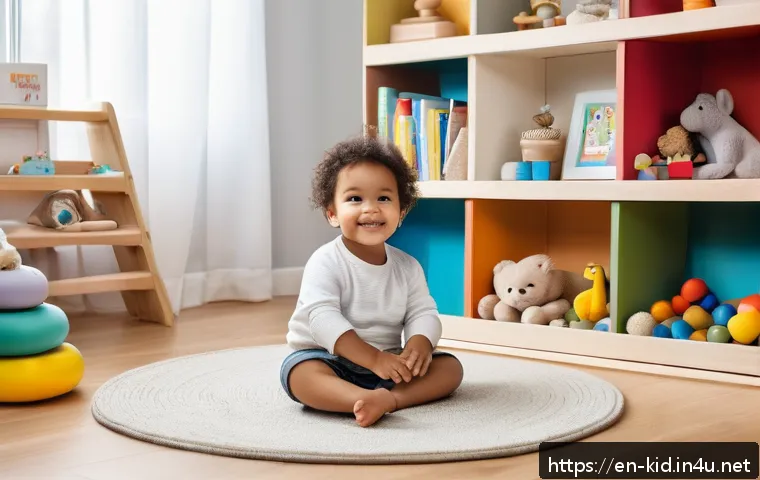
The physical environment plays a huge role in how toddlers behave. When I revamped my home to include cozy reading nooks, accessible toys, and clear boundaries between play and rest areas, my child’s mood improved significantly.
The less frustrated they felt searching for things or adjusting to chaotic spaces, the fewer tantrums I had to handle. It’s worth investing time and effort to create spaces that invite calm and exploration rather than confusion or overstimulation.
Establishing Predictable Routines
Consistency is a toddler’s best friend. Having a clear routine for meals, naps, playtime, and bedtime can ease anxiety and reduce power struggles. From personal experience, once I started using a visual schedule with pictures, my toddler felt more secure knowing what to expect next.
Even on unpredictable days, referring back to the schedule provided a comforting anchor. This predictability often means fewer surprise tantrums and more moments of cooperation.
Incorporating Gentle Transitions
Transitions between activities can be tough for toddlers because they don’t yet understand time well. I found that giving a five-minute warning before switching activities helped my child prepare mentally.
For example, saying, “In five minutes, we’ll clean up and get ready for snack” gave just enough time to adjust. Pairing this with a song or a countdown turned it into a fun game, which reduced resistance and even brought some giggles during what used to be stressful moments.
Effective Communication Techniques to Diffuse Tension
Using Positive Language
The way we talk to toddlers during a tantrum can either escalate or calm the situation. I learned that focusing on what my child CAN do instead of what they CAN’T helps shift their mindset.
For instance, instead of “Don’t throw your toys,” I say, “Let’s keep the toys safe by putting them on the shelf.” This subtle change in phrasing feels more encouraging and helps toddlers feel like partners rather than rebels.
Validating Feelings Without Giving In
It’s tempting to try to stop a tantrum by immediately giving in to the child’s demands, but that often reinforces the behavior. Instead, I practice validating feelings first: “I see you’re upset because you want the red cup.” Acknowledging emotions without yielding can calm the storm because the toddler feels heard.
Then, calmly offering alternatives or distractions can gently redirect their attention. This approach requires patience but pays off in teaching emotional regulation.
Maintaining Calm and Presence
During a tantrum, staying calm is easier said than done, but I’ve noticed that my own emotional state heavily influences how quickly things settle down.
Taking deep breaths, lowering my voice, and kneeling to my child’s level helps communicate safety and control. I remember one moment when I was on the verge of frustration, but choosing to breathe and stay steady made all the difference.
Toddlers pick up on our energy, and calmness can be contagious.
Harnessing Play and Distraction as Tools for Peace
Redirecting Attention with Engaging Activities
When a tantrum looms, shifting focus to a favorite game or a creative activity often works wonders. I keep a basket of simple toys and art supplies ready for these moments.
Offering choices like “Would you like to color or play with blocks?” gives my toddler a sense of control while moving away from the trigger. This tactic isn’t about avoiding emotions but giving space for them to cool down safely.
Incorporating Movement Breaks
Toddlers have loads of energy, and sometimes tantrums are just an outlet for built-up restlessness. Taking quick movement breaks—like dancing, jumping, or a short walk—has helped me reset my child’s mood.
These breaks also provide an opportunity to bond through shared fun, which strengthens our connection and reduces the likelihood of outbursts.
Using Storytelling to Process Feelings
Storytelling offers a gentle way to explore emotions indirectly. I often create simple stories with characters facing similar feelings to my toddler’s.
Hearing how those characters manage sadness or frustration helps my child understand their own emotions better. Plus, it’s a cozy moment that turns a tough day into a learning opportunity full of empathy and hope.
Setting Boundaries with Empathy and Consistency
Clear and Simple Rules
Toddlers thrive when they know the limits, but rules must be age-appropriate and straightforward. I make sure to state rules in positive terms like “We use gentle hands” instead of “Don’t hit.” Consistently reinforcing these rules helps my toddler understand expectations and reduces confusion that can lead to defiance.
Patience is key here; it takes many gentle reminders before new habits stick.
Offering Choices Within Limits
Giving toddlers choices empowers them and reduces power struggles. For example, offering two acceptable snack options or letting them pick between two shirts gives a sense of autonomy.
This strategy has saved me from many battles because it respects my child’s need for independence while maintaining clear boundaries. It’s a simple but effective way to foster cooperation.
Following Through with Consequences
When rules are broken, consistent and calm consequences help toddlers learn cause and effect. I’ve found that immediate, gentle consequences—like a brief time-out or loss of a privilege—work best.
It’s important that consequences are explained simply and delivered lovingly so toddlers feel safe and understand the lesson rather than feeling punished or shamed.
Building Connection to Strengthen Cooperation
Prioritizing Quality Time Daily
Spending undistracted time with your toddler is the secret sauce for better behavior. I make it a point every day to engage in activities my child loves, whether it’s reading books, playing outside, or just cuddling.
These moments build trust and make toddlers feel valued, which naturally leads to more cooperation and fewer tantrums. It’s amazing how a little focused attention can transform challenging behaviors.
Using Praise to Encourage Positive Behavior
Positive reinforcement goes a long way. I try to catch my toddler doing something good and praise it specifically: “I love how you shared your toy just now.” This targeted praise makes positive behavior more rewarding and motivates my child to repeat it.
It feels great to celebrate small wins, and it shifts the focus from just reacting to tantrums to fostering growth.
Modeling Calm and Respectful Behavior
Toddlers learn a lot by watching us. When I stay calm, use polite language, and show empathy, my child begins to mirror those behaviors. It’s not always easy, especially on tough days, but striving to be a role model for emotional regulation helps create a peaceful home environment where cooperation feels natural rather than forced.
| Strategy | What It Looks Like | Benefits | My Personal Tip |
|---|---|---|---|
| Recognizing Early Signs | Noticing subtle cues like clenched fists or silence | Prevents full tantrums by early intervention | Keep a daily log of behaviors to spot patterns |
| Predictable Routines | Consistent meal, nap, and play schedules | Reduces anxiety and increases cooperation | Use visual schedules with pictures for toddlers |
| Positive Communication | Using encouraging, solution-focused language | Shifts toddler mindset from defiance to partnership | Replace “Don’t” with “Let’s” in instructions |
| Movement Breaks | Short bursts of dancing or walking | Releases energy and resets mood | Turn breaks into fun games to engage toddler |
| Offering Choices | Giving limited, acceptable options | Empowers toddler and reduces power struggles | Always keep choices simple and manageable |
In Conclusion
Understanding and responding to toddler emotions is a journey that requires patience and attentiveness. By recognizing early signs, creating calm environments, and communicating with empathy, we can prevent many meltdowns before they start. These strategies not only ease daily challenges but also help build a strong emotional foundation for your child’s future. Remember, small consistent efforts truly make a big difference in nurturing cooperation and emotional growth.
Helpful Tips to Remember
1. Pay close attention to your toddler’s subtle cues to intervene before frustration escalates.
2. Establish consistent routines with visual aids to provide a sense of security and predictability.
3. Use positive, encouraging language that focuses on what your child can do rather than what they can’t.
4. Incorporate movement breaks and playful distractions to help your toddler release energy and reset their mood.
5. Offer limited choices to empower your child while maintaining clear boundaries and expectations.
Key Takeaways for Success
Creating a supportive and structured environment is essential for managing toddler emotions effectively. Early recognition of emotional signals allows for timely intervention, reducing the frequency and intensity of tantrums. Consistency in routines and communication builds trust and cooperation, while empathetic validation teaches emotional regulation. Combining these with playful engagement and clear boundaries nurtures a healthy connection and fosters your toddler’s emotional intelligence and independence.
Frequently Asked Questions (FAQ) 📖
Q: What are some effective ways to calm a toddler during a tantrum?
A: From my experience, the key is staying calm yourself first. When a toddler throws a tantrum, it helps to lower your voice and get down to their eye level.
Offering a comforting touch or simply acknowledging their feelings with phrases like “I see you’re upset” can make a huge difference. Distraction also works wonders—redirecting their attention to a favorite toy or activity often diffuses the intensity quickly.
Remember, it’s about connection, not control, which helps toddlers feel safe and understood.
Q: Why do toddlers have tantrums even when they seem to be getting enough attention?
A: Toddlers often throw tantrums not because they want attention, but because they’re struggling to express big emotions with limited language skills. Even if they’re getting plenty of love and attention, frustration, tiredness, or hunger can trigger outbursts.
I’ve noticed that when my little one is overwhelmed or overstimulated, tantrums spike. Recognizing these triggers early and adjusting the environment or routine—like offering a snack or quiet time—can prevent many meltdowns.
Q: How can I use tantrums as opportunities to build a stronger bond with my toddler?
A: It might sound counterintuitive, but tantrums can actually deepen your connection. When you respond with empathy and patience, you’re teaching your child that their feelings matter and that you’re a reliable source of comfort.
I try to talk through what they’re feeling once the storm passes, helping them label emotions and learn coping skills. Over time, this approach not only reduces tantrum frequency but also fosters trust and emotional resilience—turning tough moments into meaningful growth experiences.