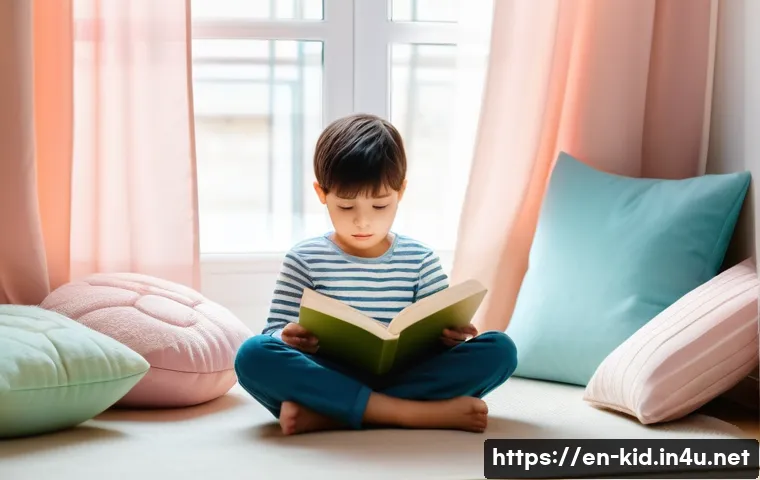
Every child comes into the world with a unique temperament that shapes how they interact with their environment and respond to challenges. Understanding these individual differences is key to nurturing their growth in the most supportive way possible.

Tailoring parenting techniques to fit a child’s specific temperament can reduce stress for both parents and kids, leading to stronger bonds and happier homes.
From spirited toddlers to shy introverts, recognizing these traits helps us guide children more effectively. Let’s dive deeper and explore how personalized parenting strategies can make all the difference!
Adapting Communication Styles to Fit Your Child’s Personality
Reading Between the Lines: Understanding Nonverbal Cues
Every child expresses themselves uniquely, and sometimes their words only tell part of the story. For example, a shy child might not openly share feelings but may show discomfort through body language like avoiding eye contact or withdrawing from group play.
By tuning into these subtle signals, parents can respond with gentle encouragement instead of pushing for verbal expression, which might overwhelm the child.
I’ve noticed that when I slowed down and observed my own child’s actions rather than waiting for words, it created a safe space for them to open up at their own pace.
This approach helps build trust and reduces frustration on both sides.
Tailoring Your Tone: When to Be Firm and When to Soften
Not all kids respond the same way to discipline or guidance. A spirited toddler might thrive with clear, consistent boundaries delivered with energy and enthusiasm, while a sensitive child may shut down if the tone feels too harsh.
I found that adjusting my tone—softening it when my child was upset, but using a confident voice when setting limits—helped maintain respect without escalating tension.
It’s a delicate balance that improves as you get to know the child’s temperament better. The key is to remain authentic but flexible in your communication style.
Encouraging Expression Through Creative Outlets
Some children find it easier to express themselves through art, music, or movement rather than words. Encouraging these outlets can be a game-changer, especially for introverted or highly emotional kids.
I remember how my niece, who rarely talked about her day, would light up after drawing or playing the piano. These activities provide a nonverbal way to process feelings and experiences.
Integrating creative time into your daily routine not only nurtures emotional health but also strengthens your connection by sharing in their world.
Designing Routines That Honor Individual Energy Levels
Recognizing Natural Activity Patterns
Children’s energy levels can vary dramatically based on their temperament. Some are naturally high-energy and need plenty of physical activity to stay balanced, while others recharge best with quiet, calm environments.
I learned that forcing a low-energy child into nonstop playdates left them exhausted and irritable, whereas the active ones thrived on outdoor adventures.
Observing these natural rhythms helps you craft routines that feel natural rather than forced, reducing meltdowns and improving overall mood.
Creating Flexible Yet Predictable Schedules
While predictability is comforting, overly rigid schedules can backfire, especially for children who need more freedom to explore or decompress. I’ve found success in establishing “anchor points” during the day—like consistent mealtimes and bedtime—while allowing flexibility around play and learning activities.
This balance provides security without stifling their unique needs. Plus, involving kids in planning their day can empower them and reduce resistance.
Adapting Sleep Habits to Temperament
Sleep is a cornerstone of well-being but can be tricky depending on a child’s disposition. For instance, a sensitive child might resist bedtime due to heightened awareness of their environment, while a more easygoing child falls asleep without issue.
Using calming rituals tailored to the child’s preferences—like dim lighting, soft music, or a favorite stuffed animal—can make a big difference. I personally noticed that introducing a consistent wind-down routine helped my child transition more smoothly to sleep, cutting down on bedtime battles.
Encouraging Social Skills According to Personality Types
Supporting Introverted Children in Social Settings
Introverted kids often prefer one-on-one interactions or small groups, which can be misunderstood as shyness or disinterest. Rather than pushing them into large, noisy gatherings, I found it helpful to arrange playdates with a close friend or attend quieter community events.
This approach respects their social comfort zone while gradually building confidence. Praising small steps like initiating conversation or sharing toys encourages growth without pressure.
Channeling the Energy of Extroverted Kids
Extroverted children gain energy from social interaction and often seek the spotlight. While this can be a joy to witness, it sometimes leads to impulsive behavior or difficulty waiting their turn.
Setting clear expectations and teaching patience through games that require taking turns helped my outgoing child learn balance. Additionally, providing plenty of opportunities for social play ensures they don’t feel stifled and can express their enthusiasm constructively.
Helping Ambiverts Navigate Social Nuances
Ambiverted children, who display qualities of both introversion and extroversion, benefit from a mixed approach. I’ve seen that giving them options to choose between quiet time and group activities empowers them to manage their social energy.
Encouraging reflection on how they feel after various interactions helps them develop self-awareness and social skills tailored to their needs.
Managing Emotional Responses Through Temperament-Aware Strategies
Recognizing Triggers and Calming Techniques
Children with intense emotional responses often have clear triggers, whether it’s a change in routine, sensory overload, or conflict. I learned the hard way that ignoring these signs only escalates the situation.
Instead, recognizing early cues like fidgeting or withdrawal allows for timely intervention. Techniques such as deep breathing, sensory toys, or a quiet corner have been lifesavers in calming my own child’s meltdowns.
Modeling Emotional Regulation
Kids absorb emotional cues from their parents, so demonstrating healthy ways to handle frustration or disappointment is crucial. I make it a point to verbalize my feelings and coping strategies, showing that it’s okay to be upset but important to find constructive outlets.
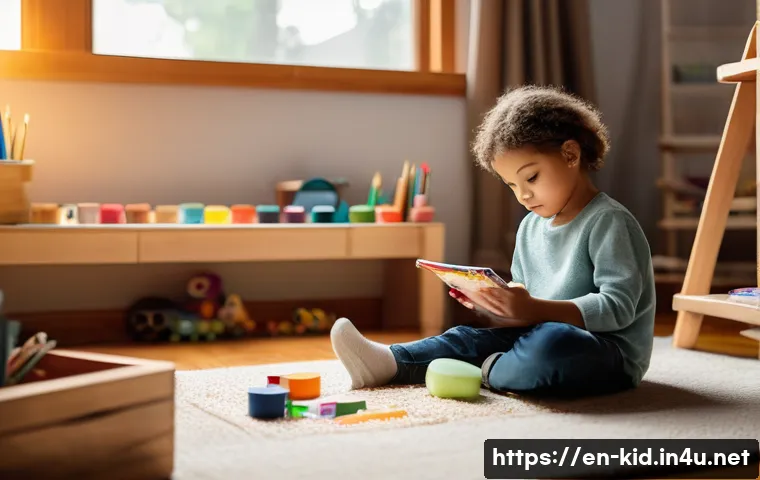
This modeling builds emotional intelligence and resilience over time.
Encouraging Open Dialogue About Feelings
Creating a safe space for children to express their emotions without judgment fosters trust and emotional growth. I’ve found that asking open-ended questions like, “What made you feel that way?” or “How can I help you feel better?” invites conversation and validates their experience.
Over time, this openness reduces anxiety and strengthens the parent-child bond.
Supporting Learning Styles Through Temperament Awareness
Identifying Preferred Learning Methods
Every child processes information differently. Some are hands-on learners who thrive with tactile activities, while others prefer listening or visual aids.
I noticed my child struggled with traditional worksheets but excelled when learning through games and experiments. Recognizing these preferences allows parents to tailor educational support that feels engaging and effective.
Adjusting Expectations and Encouragement
Temperament influences how children respond to challenges and feedback. A child who is perfectionistic might get easily discouraged, while another may appear indifferent to setbacks.
Tailoring encouragement—celebrating effort rather than just outcomes—helps maintain motivation. I make sure to acknowledge small victories and frame mistakes as learning opportunities, which keeps frustration at bay.
Creating a Stimulating Yet Comfortable Learning Environment
The setting plays a huge role in a child’s ability to focus and absorb information. For example, a child sensitive to noise might do better in a quiet corner, whereas a highly active child may benefit from frequent breaks and movement.
I experimented with different setups at home, from cozy reading nooks to standing desks, to see what worked best. This flexibility made homework time less of a battle.
Building Positive Discipline Techniques Tailored to Temperament
Using Natural Consequences and Logical Discipline
Children respond better to discipline that makes sense to them rather than arbitrary punishment. For example, a child who refuses to wear a coat on a chilly day might feel the natural consequence of being cold, which teaches the lesson more effectively than a scolding.
I’ve found that explaining the “why” behind rules helps my child understand and internalize expectations rather than just obeying out of fear.
Balancing Consistency with Compassion
Consistency is key, but rigidity can cause unnecessary stress, especially for sensitive children. I try to enforce rules firmly but with empathy, explaining the reasons and acknowledging feelings.
This balance prevents power struggles and helps children feel respected, even when boundaries are firm.
Incorporating Positive Reinforcement
Rewarding good behavior through praise, small privileges, or tangible rewards can motivate children across temperaments. I noticed that personalized rewards—like extra storytime for my quieter child or a chance to choose an activity for my energetic one—were more effective than generic praise.
Positive reinforcement encourages repetition of desirable behaviors and strengthens the parent-child relationship.
Summary Table: Parenting Approaches Based on Temperament Traits
| Temperament Trait | Communication Style | Routine Preference | Social Interaction | Emotional Support | Learning Approach | Discipline Strategy |
|---|---|---|---|---|---|---|
| Highly Active | Energetic, direct | Flexible, lots of physical activity | Large groups, frequent play | Immediate calming strategies | Hands-on, movement-based | Clear boundaries, positive reinforcement |
| Sensitive | Gentle, patient | Predictable, quiet time needed | Small groups or one-on-one | Soothing, validating feelings | Visual aids, calm environment | Compassionate consistency |
| Introverted | Soft tone, nonverbal cues | Routine with flexibility | Limited social exposure | Safe space for expression | Creative, self-paced | Logical consequences |
| Extroverted | Assertive, lively | Structured but social | Active social settings | Energy outlets, patience teaching | Group learning | Firm rules with rewards |
Closing Thoughts
Understanding and adapting to your child’s unique temperament can transform everyday interactions into meaningful connections. By tuning into their communication style, energy levels, and emotional needs, parents create a nurturing environment where children feel seen and supported. This personalized approach not only strengthens bonds but also fosters growth and resilience in your child’s development journey.
Useful Tips to Remember
1. Observe your child’s nonverbal cues carefully to better understand their feelings and needs without pressuring them to speak.
2. Adjust your tone and communication style depending on your child’s temperament to maintain harmony and respect.
3. Incorporate creative outlets like art or music to help children express emotions in ways that feel natural to them.
4. Design routines that honor your child’s energy patterns while balancing predictability with flexibility.
5. Use positive reinforcement and logical consequences tailored to your child’s personality to encourage good behavior effectively.
Key Takeaways
Every child’s temperament influences how they communicate, learn, and respond to discipline. Successful parenting requires a flexible, empathetic approach that respects these individual differences. Prioritizing emotional safety, offering choices, and modeling healthy behaviors are essential strategies. Remember, building trust and understanding over time creates a foundation for your child’s confident and balanced growth.
Frequently Asked Questions (FAQ) 📖
Q: How can understanding my child’s temperament improve our daily interactions?
A: When you recognize your child’s temperament, you gain insight into their natural ways of reacting to situations, which helps you respond more thoughtfully.
For example, a child who is naturally cautious might need more gentle encouragement to try new things, while a spirited child may benefit from clear boundaries and consistent routines.
This understanding reduces frustration on both sides because you’re not forcing them to act against their nature, making daily life smoother and more enjoyable for everyone.
Q: What are some effective parenting strategies for different temperaments?
A: Tailoring your approach based on your child’s temperament can work wonders. For shy or introverted kids, creating a calm, low-pressure environment where they feel safe to express themselves is key.
For high-energy or strong-willed children, setting clear rules and offering choices can help them feel in control without pushing limits. I’ve found that patience and flexibility are essential—what works for one temperament won’t always work for another, so being observant and willing to adjust your methods really makes a difference.
Q: How does adapting parenting to temperament strengthen the parent-child bond?
A: When you honor your child’s individual temperament, it shows them that you truly see and accept who they are. This builds trust and emotional security, which deepens your connection.
Kids feel less misunderstood and more supported, which encourages open communication. From my experience, this mutual understanding reduces power struggles and helps both parents and children feel more relaxed and happier at home.
It’s like speaking their language—it fosters harmony and lasting closeness.