Hey there, wonderful parents and caregivers! You know, it feels like just yesterday I was navigating the endless quest for ways to keep my little one engaged and learning, all without breaking the bank or contributing to a mountain of plastic toys.
It’s a challenge many of us face in today’s fast-paced world, especially with all the digital distractions vying for our kids’ attention. But what if I told you there’s a simple, incredibly effective, and wonderfully enriching path that taps into their natural curiosity and development?
From my own experience, watching my child discover the world through touch, sight, sound, and even smell has been nothing short of magical. This isn’t just about entertainment; it’s about fostering critical thinking, problem-solving, and boosting those crucial fine motor skills that experts are constantly talking about.
We’re seeing a huge shift towards more mindful, sustainable play, focusing on natural materials and open-ended experiences that truly grow with our children.
That’s where homemade sensory play comes in, a real game-changer that lets you customize learning and fun without relying on store-bought clutter. I’ve personally found that the joy on their faces when they create something unique with simple items from around the house is absolutely priceless.
It’s all about nurturing that inherent sense of wonder. So, if you’re ready to unlock a world of creative possibilities and give your kids the very best start, while also being kind to your wallet and the planet, then let’s explore this topic in more detail, and I’ll show you exactly how to make these incredible sensory play tools at home!
The Everyday Magic: Transforming Household Basics into Engaging Play
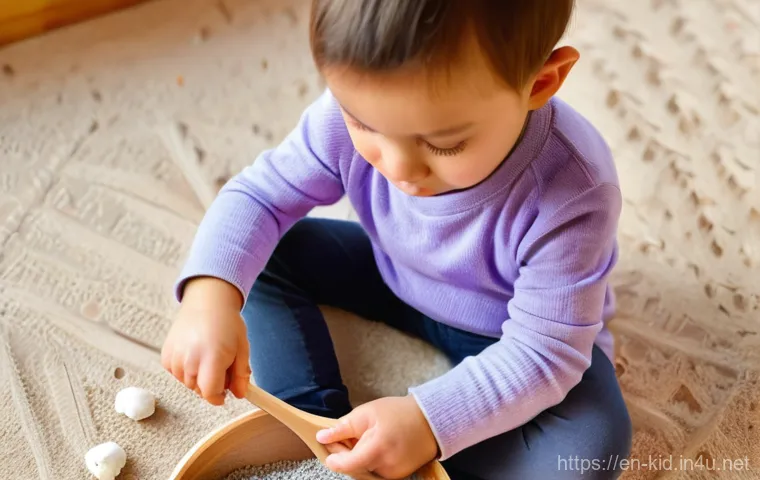
It always amazes me how often the best and most enriching play experiences come from the simplest items we already have lying around the house. When my little one was younger, I used to spend so much time researching and buying expensive toys, convinced that more specialized gear meant more learning.
But honestly, it was the moments when we’d pull out a bowl of dried pasta, a bag of beans, or even just some water with a few drops of food coloring that truly captivated their attention and sparked their imagination.
I’ve personally seen how transforming these everyday basics isn’t just budget-friendly, it’s an incredible way to foster creativity and problem-solving.
Kids learn to see objects not just for their intended purpose, but for their potential, which is a powerful skill. This approach truly clicked for me when I noticed how much longer they’d engage with a sensory bin I’d cobbled together from recycled materials than with a flashy, battery-operated toy.
It’s about empowering them to explore, discover, and create their own narratives, all while developing those crucial fine motor skills without even realizing it.
The sheer joy and focused concentration on their faces as they manipulate different textures and shapes is absolutely priceless, and it’s a constant reminder that sometimes, less truly is more, especially in the world of early childhood development.
This really changes your perspective on what truly enriches a child’s early years.
Unlocking Creativity with Kitchen Staples
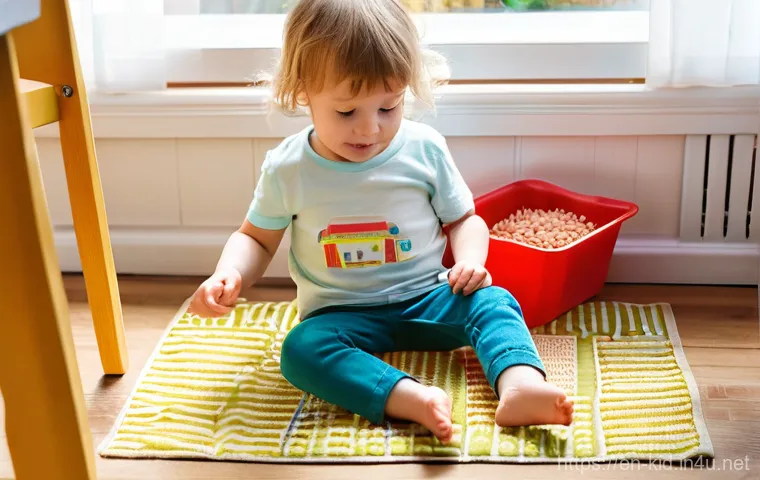
You’d be surprised at the endless possibilities hiding in your pantry! Think about it – dried pasta, rice, beans, lentils, or even oatmeal. These aren’t just for cooking; they’re fantastic bases for sensory bins.
I remember one rainy afternoon, we dumped a bag of dry kidney beans into a large container, added some measuring cups, spoons, and a few small toy animals.
My child spent over an hour scooping, pouring, and burying the animals, completely absorbed in their play. It wasn’t just about the tactile experience; they were practicing early math concepts, developing hand-eye coordination, and engaging in imaginative storytelling.
We also love using dyed rice – a little food coloring and rubbing alcohol (or vinegar for a non-toxic option) goes a long way. The vibrant colors add another layer of visual stimulation, making the play even more inviting.
From my own experience, these simple kitchen items provide a versatile and safe environment for exploration, allowing children to experiment with different textures and weights without any complex instructions or rules, which truly fosters independent thinking.
Repurposing for Play: The Wonders of Recycled Materials
Before you toss that cardboard box or empty plastic bottle, think of its potential! I’ve discovered that some of the most innovative sensory experiences come from items destined for the recycling bin.
A large cardboard box can become a discovery tunnel, a sensory fort, or even a giant texture board if you glue on different materials. Plastic bottles, when filled with water, glitter, oil, or small objects, transform into mesmerizing “calm down bottles” or shakers that provide visual and auditory stimulation.
Old egg cartons can be sorting trays for small objects or molds for playdough. From my personal journey, it’s not just about saving money; it’s about teaching children resourcefulness and environmental awareness from a young age.
They learn that value can be found in unexpected places, and that creativity isn’t limited by what you can buy. This hands-on approach of transforming ‘junk’ into treasure makes them active participants in their play environment, encouraging them to think outside the box and truly engage with the world around them in a meaningful and sustainable way.
Crafting Calming Corners: DIY Sensory Bins for Focus and Fun
Creating a dedicated “calm down corner” or a sensory bin station in your home can be a total game-changer, not just for the kids but for your own peace of mind too.
I used to struggle with those moments when my child would get overwhelmed or overstimulated, and I felt like I was constantly scrambling for a way to help them re-center.
That’s when I really dove deep into the world of sensory bins, and let me tell you, it’s been an absolute revelation. These aren’t just about keeping them busy; they’re powerful tools for emotional regulation and focused play.
The beauty of a homemade sensory bin is that you can tailor it perfectly to your child’s interests and developmental needs, using materials you know they’ll respond positively to.
I’ve personally found that the act of scooping, sifting, and manipulating different textures can be incredibly grounding for little ones. It provides a safe, contained space where they can explore freely without the pressure of a specific outcome, which is so important for fostering intrinsic motivation.
It’s a quiet invitation to engage their senses, calm their minds, and simply just “be.” Watching them get lost in the tactile world of a well-designed bin fills me with such a sense of accomplishment, knowing I’ve provided them with a valuable tool for self-soothing and imaginative growth.
Designing Sensory Bins for Emotional Regulation
When putting together a calming sensory bin, I always aim for elements that encourage gentle, repetitive actions and offer varied tactile experiences.
Think soft materials like cotton balls or shredded paper for a fluffy cloud bin, or smooth river stones and water for a tranquil water play setup. I’ve seen firsthand how a bin filled with dried lavender and rice can instantly create a soothing aroma that helps calm a restless mind.
Adding small tools like tongs, scoops, and brushes encourages fine motor skill development and promotes focused engagement. Another favorite of mine is a “nature bin” with leaves, pinecones, and small sticks collected from a walk – it brings the calming elements of the outdoors inside.
The key is to keep it relatively simple and open-ended, allowing the child to lead their own exploration. From my experience, avoiding overstimulation with too many bright colors or noisy elements is crucial when the goal is regulation.
The idea is to create a peaceful microcosm where they can process their feelings and recenter themselves through focused, tactile play, and it truly makes a world of difference during those tricky emotional moments.
Theme-Based Bins for Focused Learning
Beyond just calming, sensory bins are fantastic for introducing new concepts and sparking curiosity. I love creating theme-based bins that align with what my child is learning or interested in at the moment.
For instance, a “farm bin” with hay, plastic farm animals, and small blocks for fences can teach about animal habitats and farm life. A “construction bin” with sand, small diggers, and rocks provides a context for learning about building and engineering.
We even did a “space bin” once with black beans for the vastness of space, glitter for stars, and small glow-in-the-dark planets – it was a huge hit for exploring the cosmos!
What I’ve found personally is that these themed bins make abstract concepts tangible and accessible. Children learn through doing, and when they can physically interact with the elements of a theme, the learning becomes so much more profound and memorable.
It transforms playtime into an organic learning experience, seamlessly blending education with pure, unadulterated fun, and that’s something every parent dreams of.
Nourishing Minds and Bodies: Simple Recipes for Edible Sensory Experiences
Let’s be real, as parents, a big part of our lives revolves around food, and often, that means navigating picky eaters or finding creative ways to introduce new textures and flavors.
What if I told you that the kitchen isn’t just for meal prep, but a fantastic laboratory for sensory play that’s completely safe to taste? This realization was a game-changer for me, especially when my little one was in that stage where everything went straight into their mouth.
The anxiety of them putting non-food items in their mouth was constant, so discovering edible sensory play was like a breath of fresh air. It’s truly empowering to create an environment where exploration is not only encouraged but also completely worry-free.
From my own adventures, I’ve seen how these activities can transform a hesitant child into a curious explorer, gently introducing them to new sensations without any pressure.
It’s not just about taste; it’s about touch, smell, and sight, all coming together in a wonderfully safe and engaging way. Plus, let’s be honest, cleaning up is a lot less stressful when you know everything is natural and safe.
This approach allows children to experiment freely, building confidence in their sensory processing skills and fostering a positive relationship with food from an early age.
Whip Up Wonderful Edible Playdoughs
One of my absolute favorite edible sensory activities is making homemade playdough. There are so many simple recipes that use common kitchen ingredients and are entirely taste-safe.
Think peanut butter playdough, marshmallow playdough, or even a simple flour-and-water dough that you can tint with natural food colors like beet juice or spirulina.
I remember making a batch of chocolate playdough (cocoa powder, flour, oil, and water) and the joy my child had molding it, smelling it, and even having a tiny nibble was just incredible.
It allowed them to explore texture, scent, and even taste in a safe and engaging way, something you can’t get from store-bought versions. From my experience, the process of making the dough itself can be a fantastic sensory activity, allowing them to mix, stir, and feel the ingredients change consistency.
It’s a wonderful way to introduce basic science concepts and fine motor skills, all while creating something they can play with and, if they choose, safely consume.
Sensory Snacks: Fun with Food Textures
Beyond playdough, there’s a whole world of “sensory snacks” that turn mealtime or snack time into an exploratory adventure. Think about setting out different textures of fruits and vegetables – crunchy carrots, soft berries, juicy orange segments.
Or perhaps a “dip bar” with various dips and dippers, encouraging them to mix and match. I’ve personally found that letting them play with their food in a structured, exploratory way can actually help with picky eating.
For example, a tray with cooked pasta shapes, some plain yogurt, and a few pureed fruits allows them to squish, smear, and taste at their own pace. It’s about taking the pressure off and turning food into a playful medium.
The focus here is on exploration rather than consumption, though happy accidents of tasting are certainly welcome! This approach fosters a positive relationship with food, reduces anxiety around trying new things, and provides a rich sensory experience that commercial products just can’t replicate.
| Sensory Material | Key Benefits | DIY Setup Tips |
|---|---|---|
| Dyed Rice/Pasta | Fine motor skills, color recognition, creative play, calming | Mix dry rice/pasta with a few drops of food coloring and a splash of rubbing alcohol (or vinegar). Spread to dry completely. Add scoops, cups, small toys. |
| Oobleck (Cornstarch & Water) | Science exploration (non-Newtonian fluid), tactile stimulation, cause and effect | Mix 2 parts cornstarch to 1 part water. Add food coloring if desired. Experiment with squeezing and letting it run through fingers. |
| Water Beads (Hydrated) | Tactile sensation, color sorting, focus, calming (use under supervision for younger children) | Hydrate small water beads according to package directions. Place in a clear bin with spoons, tongs, and small containers. |
| Cloud Dough (Flour & Oil) | Fine motor development, imaginative play, soft texture, less mess than sand | Mix 8 parts flour to 1 part baby oil (or vegetable oil). Add a few drops of essential oil for scent. Mold, scoop, and build. |
| Gelatin/Jell-O Blocks | Edible, wobbly texture, color exploration, safe for mouthing babies | Prepare gelatin according to package directions, but use slightly less water for firmer blocks. Let set, then cut into cubes. Add safe toys for “excavation.” |
Unleash Artistic Expression: Art-Inspired Sensory Play Ideas
As a parent, I’ve always been a huge fan of combining art with play, and when you throw sensory exploration into the mix, it becomes an absolute masterpiece of learning and fun!
I used to think “art” meant paint, brushes, and a lot of mess, but I’ve learned that it’s so much more expansive, especially for little ones. It’s about the process, the textures, the colors, and the pure joy of creation.
What I’ve found is that integrating art into sensory play offers an incredible outlet for self-expression, allowing children to communicate and explore emotions in a non-verbal way.
It’s not about producing a perfect picture; it’s about the tactile experience of squishing paint, smoothing clay, or feeling the grit of sand between their fingers.
I personally cherish those moments when my child is completely engrossed in an art-sensory activity, their concentration palpable, their imagination running wild.
It’s a beautiful thing to witness their confidence grow as they experiment with different materials and discover what they can create. These experiences not only boost their creativity but also enhance their fine motor skills and hand-eye coordination, laying a solid foundation for future learning.
Messy Masterpieces: Finger Painting & Edible Art
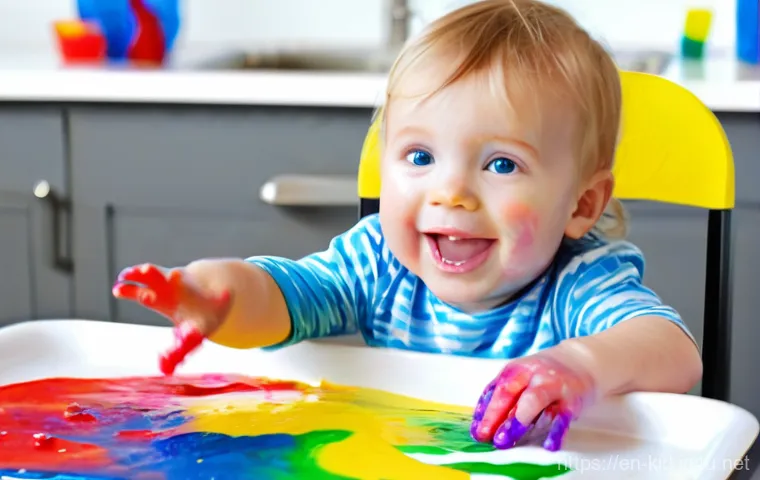
Let’s embrace the glorious mess, shall we? Finger painting is a classic for a reason – it’s pure, unadulterated sensory delight. The cool, slippery feel of paint on their fingertips, the vibrant colors blending and swirling – it’s a feast for the senses.
I love using homemade edible paints made from yogurt mixed with food coloring or fruit purees for younger children who are still prone to tasting everything.
It takes away the worry and lets them dive into the experience headfirst. From my personal adventures, setting up a large sheet of paper on the floor or a high chair tray, with various colors of edible paint, can provide endless entertainment and a rich tactile experience.
They’re not just making art; they’re exploring cause and effect, learning about color mixing, and strengthening their hand muscles. It’s an activity that truly lets them get hands-on with their creativity, without any judgment or pressure to create something specific, which is so crucial for fostering genuine artistic confidence.
Textured Canvases: Sensory Collages & Sculptures
Move over, flat paper! Let’s explore art that pops and excites the sense of touch. Sensory collages are fantastic for this.
Instead of just glueing paper, I encourage using a variety of materials with different textures: cotton balls, sandpaper, fabric scraps, pasta, dried leaves, buttons, yarn, or even small pebbles.
The tactile experience of selecting, feeling, and adhering these diverse items is incredibly stimulating. I’ve found that giving them a base like cardboard or a sturdy paper plate and a good amount of child-safe glue lets their imagination run wild.
Similarly, homemade playdough or salt dough can be transformed into amazing sensory sculptures. They can poke, prod, roll, and mold, feeling the dough respond to their touch.
Adding elements like pipe cleaners, googly eyes, or small natural treasures into their sculptures enhances the sensory experience even further. From my own family’s experience, these activities aren’t just about creating a tangible art piece; they’re about the journey of discovery, the development of fine motor skills, and the joy of manipulating materials to bring an idea to life.
Beyond the Bin: Incorporating Movement into Sensory Adventures
While sensory bins are absolutely wonderful for focused, tabletop play, I’ve discovered that true sensory exploration often thrives when children can move their whole bodies and engage with their environment on a larger scale.
As a parent, I’ve always been on the lookout for ways to combine my child’s boundless energy with meaningful learning experiences, and that’s where incorporating movement into sensory adventures truly shines.
It’s not just about sitting still and touching; it’s about gross motor skills, balance, coordination, and integrating sensory input from their entire body.
I’ve personally seen how much more engaged and regulated my child becomes when they can literally jump, stomp, and crawl through a sensory experience.
This approach acknowledges that children learn through active participation, and that their bodies are just as crucial to sensory input as their hands or eyes.
It’s a fantastic way to burn off energy while also developing crucial physical and cognitive skills, making learning a dynamic, full-body experience that’s anything but boring.
Outdoor Sensory Trails and Obstacle Courses
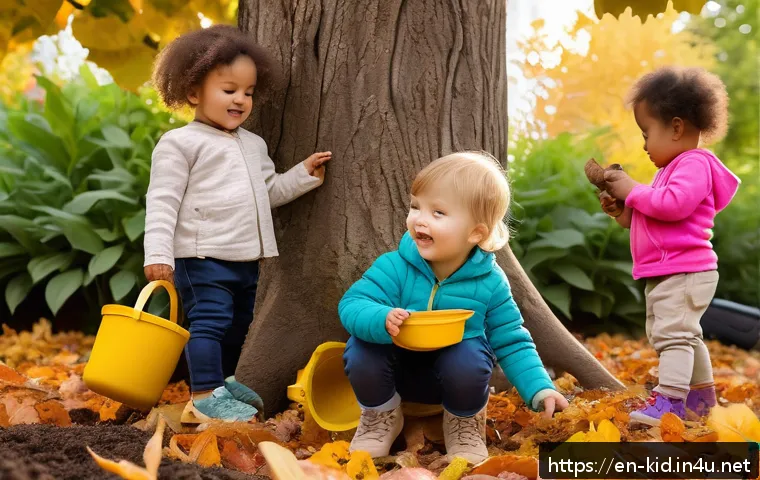
One of my absolute favorite ways to get those wiggles out while engaging the senses is to create outdoor sensory trails or obstacle courses. Think about it – nature itself is the ultimate sensory playground!
I remember setting up a simple trail in our backyard using different natural elements: a path of smooth river stones, followed by a patch of soft grass, then a section of crunchy autumn leaves, and perhaps a small area with a shallow pan of water for splashing.
Kids can walk barefoot to experience the varied textures directly. An obstacle course could involve crawling under a blanket draped over chairs, balancing on a low log, or climbing over soft pillows.
From my personal experience, these activities are incredible for developing proprioception (body awareness) and vestibular sense (balance and movement).
They encourage problem-solving, planning, and gross motor skill development, all while connecting children with the natural world in a deeply engaging way.
Sensory Games and Active Play
Sensory play doesn’t always have to be a quiet, individual activity; it can be incredibly social and active too! I love inventing games that get everyone moving and interacting with sensory elements.
For example, a “texture scavenger hunt” where kids have to find objects around the house or yard that match specific tactile descriptions (e.g., “something squishy,” “something bumpy,” “something smooth”).
Or a “sensory dance party” where you play different types of music and encourage children to move in ways that reflect the rhythm and feeling of the sound – stomping for heavy beats, fluttering for light melodies.
Another fun one is a “balloon pop” with balloons filled with small, soft items like flour or rice (safely tied off, of course!) for a surprising tactile explosion.
What I’ve personally found is that these active sensory games not only provide fantastic sensory input but also foster teamwork, communication, and creative movement.
It’s a wonderful way to combine physical activity with sensory exploration, making learning a joyous and energetic experience for everyone involved.
Smart Storage Solutions: Keeping Your Sensory Play Organized
Let’s be honest, as much as we love the enriching chaos of sensory play, the thought of scattered rice, spilled water beads, or misplaced playdough can send shivers down any parent’s spine.
I totally get it! I used to dread the cleanup almost as much as I loved the activity itself. But over time, I’ve stumbled upon some brilliant storage solutions that have completely transformed our sensory play routine, turning potential mayhem into manageable fun.
It’s not just about keeping things tidy; it’s about making sensory play more accessible, reducing stress, and even encouraging independence in children as they learn to put things away.
From my own trials and errors, I’ve realized that a well-organized sensory station doesn’t just benefit the adults; it empowers the kids to take ownership of their play space and even initiates them into the joys of tidiness.
The key is finding systems that are both practical and easy for little hands to use, ensuring that the magic of sensory play isn’t overshadowed by the dread of an epic cleanup operation.
Clear Bins and Labels: A Parent’s Best Friend
My absolute go-to for sensory play storage? Clear, stackable plastic bins! Seriously, they are a lifesaver.
Being able to see what’s inside at a glance means you (and your child) can easily grab the right bin without rummaging through everything. I’ve personally invested in various sizes, from small containers for individual sensory materials like pom-poms or small blocks, to larger bins that hold an entire sensory play setup, like a themed rice bin with all its tools and toys.
What really sealed the deal for me was adding simple picture labels, especially when my child was too young to read. A picture of rice on the bin containing rice, or a picture of an animal farm for a farm-themed bin, makes it super intuitive for them to both find what they want and, crucially, put it back.
This system encourages independence and teaches organizational skills from a young age, making cleanup feel like less of a chore and more like a natural part of the play cycle.
Portable Play Kits for On-the-Go Fun
Sometimes, you want to take the sensory fun beyond the playroom, whether it’s to the kitchen table, out on the patio, or even to a grandparent’s house.
That’s where portable sensory play kits come in incredibly handy. I love repurposing old lunchboxes, tackle boxes, or even sturdy Ziploc bags for this purpose.
Fill them with a small amount of a sensory base (like dry pasta or playdough) and a few theme-appropriate small objects, tools, or figures. For example, a small container with dry chickpeas, a few miniature construction vehicles, and a scoop makes for an instant “construction site” on the go.
From my own experience, these kits are fantastic for keeping little ones entertained during transitions or in places where you need a contained activity.
They minimize mess and maximize engagement, proving that enriching sensory experiences don’t have to be confined to a specific spot. It’s about making learning and play accessible wherever life takes you, and reducing your stress about keeping them engaged without resorting to screens.
Wrapping Things Up
And there you have it, fellow parents! It’s truly amazing, isn’t it, how much magic and learning can unfold right in our homes, often with the simplest of ingredients and items we already possess? My own journey through sensory play has been one of constant discovery and pure joy, not just for my child, but for me too. I’ve personally seen how these moments of exploration build confidence, spark imagination, and create lasting memories that are far more precious than any store-bought toy. Remember, you don’t need fancy equipment or a perfectly Pinterest-worthy setup; you just need a little creativity and a willingness to embrace the delightful mess. So go ahead, dive in, and watch your little ones thrive in the wonderful world of sensory play – it’s truly an investment in their development that pays dividends in giggles and growth.
Helpful Tips to Keep in Mind
1. Start Simple: Don’t feel pressured to create elaborate setups. A bowl of dry pasta and a few scoops can be incredibly engaging for a toddler, building up from there as their interests grow.
2. Rotate Materials: To keep things fresh and exciting, I always make sure to rotate the sensory materials and tools every week or two. This prevents boredom and makes each new experience feel special.
3. Embrace the Mess (and Prepare for It): Sensory play can get messy, and that’s part of the fun! Lay down a waterproof mat, a old sheet, or even a shower curtain to make cleanup a breeze. Sometimes, taking the play outdoors is the perfect solution!
4. Observe and Adapt: Pay close attention to your child’s reactions. Are they fascinated by textures, colors, or sounds? Tailor your sensory activities to their unique interests to maximize engagement and learning, just like I learned to do with my own little explorer.
5. Supervise Actively: Especially with younger children or small items, constant supervision is key. While many items are taste-safe, we want to ensure all play is safe and enjoyable, turning potential worries into pure fun and exploration.
Key Takeaways
Ultimately, sensory play is a powerful, accessible, and incredibly enriching tool for child development. It nurtures creativity, refines fine motor skills, aids emotional regulation, and fosters a deep connection to the world around us. By using everyday materials and embracing a spirit of playful exploration, we can create impactful learning experiences that are both budget-friendly and endlessly entertaining. It’s about empowering children to discover, learn, and grow through hands-on, multi-sensory engagement, making every moment an opportunity for wonder.