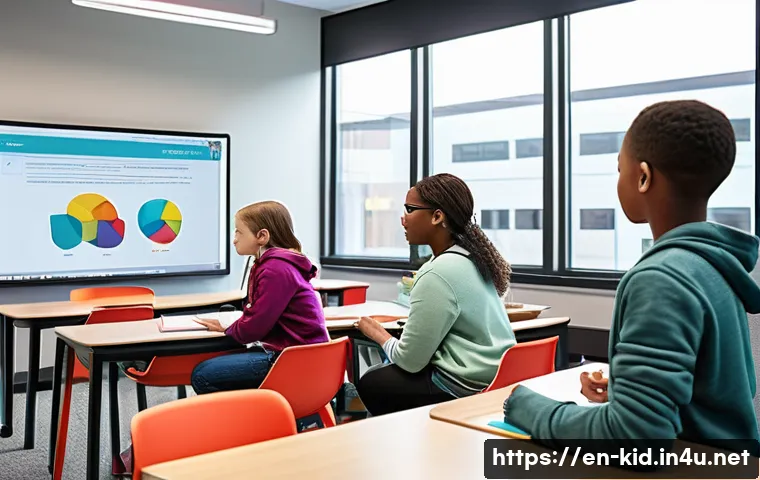
In today’s fast-evolving educational landscape, teachers face the ongoing challenge of adapting their teaching methods to meet diverse student needs. Enhancing instructional strategies not only boosts student engagement but also improves learning outcomes significantly.
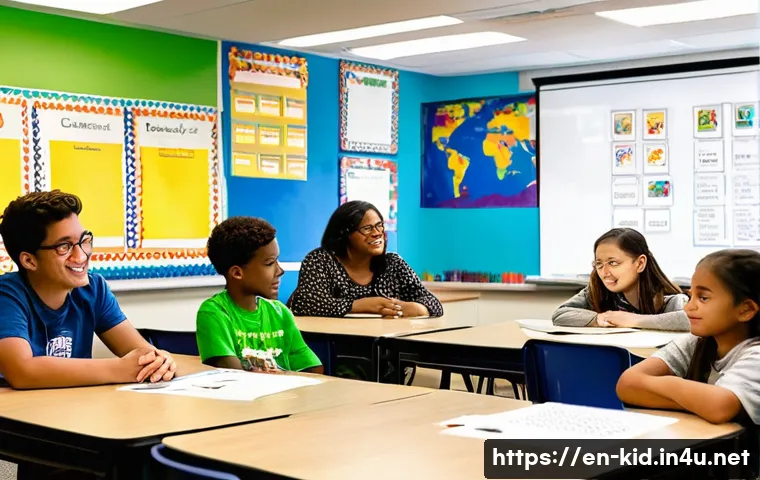
From integrating technology to fostering inclusive classrooms, effective teaching approaches are more crucial than ever. Drawing from real-world classroom experiences, it’s clear that continuous improvement in pedagogy leads to greater success for both educators and learners.
Let’s dive deeper and explore proven strategies that can transform teaching practices for the better!
Creating Dynamic Learning Environments
Incorporating Interactive Technologies
Bringing technology into the classroom has moved far beyond just using a projector or a computer. From my experience, tools like interactive whiteboards, educational apps, and virtual reality can make lessons come alive, grabbing students’ attention in ways traditional methods often can’t.
When students interact directly with content—whether it’s manipulating 3D models or collaborating through shared online platforms—they tend to engage more deeply and retain information longer.
However, it’s crucial to balance tech use with thoughtful instruction to avoid distractions. Tailoring technology to your subject and student needs ensures it enhances, rather than overwhelms, the learning process.
Flexible Classroom Layouts for Engagement
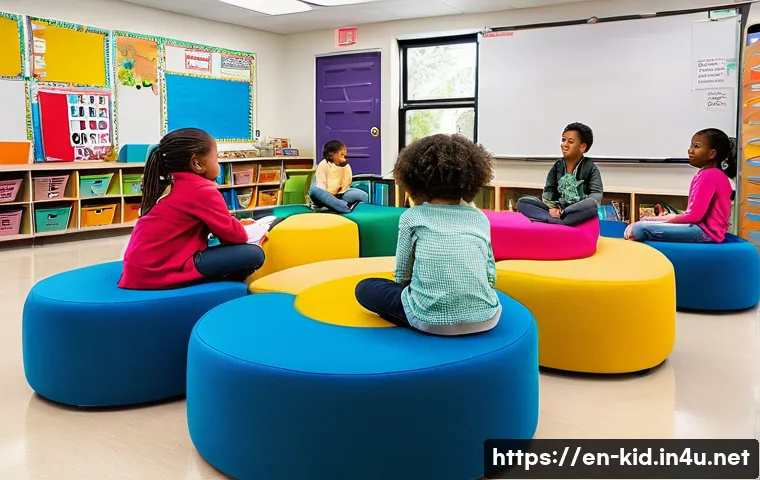
The physical setup of a classroom influences how students interact and absorb material. I’ve noticed that shifting from rigid rows to clusters or circles fosters more collaboration and open discussion.
Flexible seating options, like bean bags or standing desks, also accommodate different learning styles and comfort levels. When students feel physically at ease and part of a community, they’re more willing to take risks and express ideas.
It’s about creating a space that encourages movement and connection, which naturally supports active learning and better concentration.
Fostering a Growth Mindset Culture
Encouraging students to see challenges as opportunities rather than obstacles is a game changer. I’ve found that consistently praising effort over innate ability helps build resilience and motivation.
Sharing stories of famous failures or personal setbacks turns abstract ideas about growth into relatable lessons. When students believe their intelligence and skills can develop through dedication, they become more persistent and open to feedback.
This mindset shift doesn’t happen overnight but embedding it into daily interactions gradually transforms classroom dynamics.
Personalizing Learning to Meet Individual Needs
Using Formative Assessments to Guide Instruction
Ongoing assessments during lessons provide invaluable insights into how students are grasping material. Instead of waiting for a big test, I use quick quizzes, exit tickets, or even verbal check-ins to adjust pacing and content.
This real-time feedback loop allows me to identify who needs extra support or who’s ready for enrichment. It also encourages students to take ownership of their learning by reflecting on their progress.
The key is to keep assessments low-pressure and integrated seamlessly into activities so they inform rather than interrupt.
Differentiating Content and Tasks
Every classroom is a mix of abilities, backgrounds, and interests, so a one-size-fits-all approach rarely works. I’ve learned to design tiered assignments that challenge each student appropriately—whether that means providing simpler texts with more scaffolding or offering extension projects for advanced learners.
Flexible grouping based on skills or interests also helps students learn from peers and feel more confident. Differentiation requires extra planning, but the payoff is students who feel seen and supported, leading to higher engagement and achievement.
Leveraging Student Choice and Voice
Giving students options about what and how they learn increases motivation. For instance, allowing them to select topics for research projects or choose between writing a report, creating a video, or designing a poster taps into their strengths and passions.
When students have a say in their learning, they become more invested and creative. I try to create structures that offer choice without chaos, setting clear goals but leaving room for personalization.
This approach also teaches decision-making and responsibility, essential skills beyond the classroom.
Building Inclusive and Supportive Classrooms
Implementing Culturally Responsive Teaching
Recognizing and honoring students’ diverse backgrounds enriches learning for everyone. I’ve seen firsthand how incorporating multicultural materials and perspectives validates students’ identities and broadens understanding.
This means more than just celebrating holidays—it involves critically examining whose voices are included in the curriculum and adapting examples to be relevant and respectful.
Creating an environment where all students feel valued fosters a sense of belonging, which research shows directly impacts academic success.
Promoting Social-Emotional Learning (SEL)
Academic skills alone don’t guarantee success; emotional intelligence is just as vital. Integrating SEL practices like mindfulness exercises, conflict resolution strategies, and empathy-building activities helps students manage stress and collaborate better.
In my classroom, setting aside time for check-ins and modeling healthy communication builds trust and reduces disruptions. Over time, students develop stronger self-awareness and interpersonal skills, which not only improve behavior but also enhance learning readiness.
Supporting Diverse Learners with Targeted Interventions
Some students need additional scaffolding or specialized support to thrive. I’ve worked closely with special education teams and counselors to implement individualized strategies, such as breaking tasks into smaller steps or providing assistive technologies.
Early identification and intervention prevent students from falling behind and boost confidence. Collaboration with families is also crucial to ensure consistency and reinforce learning at home.
Tailoring support respects each learner’s unique needs while promoting equity in education.
Encouraging Collaborative Learning Experiences
Designing Group Activities That Foster Teamwork
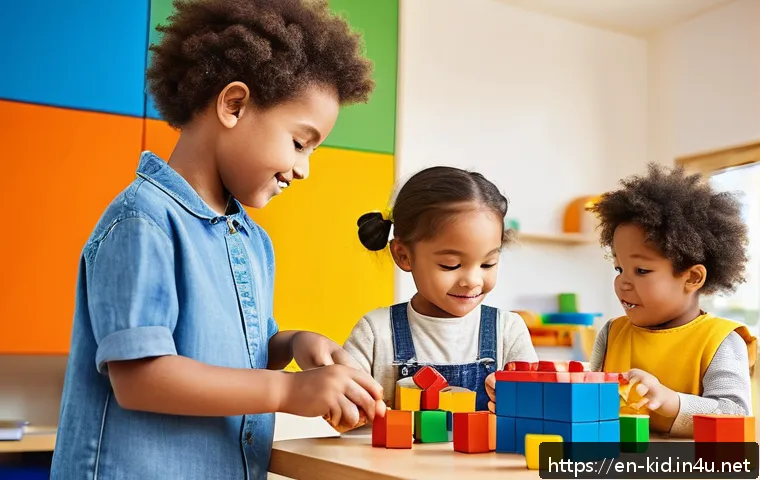
Group work can be hit or miss, but well-structured collaboration develops critical thinking and communication skills. I’ve learned to assign clear roles and goals within groups to keep everyone accountable and engaged.
Rotating roles ensures students practice different skills, from leading discussions to note-taking. Encouraging positive interdependence—where success depends on each member’s contribution—builds trust and reduces social loafing.
Reflecting after group tasks helps students appreciate diverse viewpoints and identify areas for growth.
Using Peer Teaching to Reinforce Concepts
When students explain material to each other, they deepen their own understanding. I’ve found peer tutoring and study buddy systems particularly effective for reinforcing challenging topics.
It also creates a supportive atmosphere where asking questions feels safer. Setting guidelines and monitoring interactions ensures accuracy and respect.
This reciprocal learning benefits both tutors and tutees, building confidence and solidifying knowledge.
Facilitating Cross-Grade or Community Partnerships
Connecting students with peers from other grades or community members broadens perspectives and relevance. For example, organizing mentoring programs or service-learning projects links classroom content to real-world applications.
These experiences enhance engagement by showing how skills matter beyond school walls. They also foster empathy and civic responsibility. Building partnerships takes effort but the enriched learning environment it creates is well worth it.
Integrating Reflective Practices for Continuous Growth
Encouraging Student Self-Assessment
Teaching students to reflect on their own learning cultivates independence. I encourage journaling or using checklists for students to evaluate their understanding and effort regularly.
This practice helps them identify strengths and areas needing improvement, promoting a growth mindset. It also empowers students to set personal goals and track progress, making learning more meaningful and personalized.
Using Teacher Reflection to Adapt Strategies
Regularly reviewing what works and what doesn’t is essential for any educator. I keep a teaching journal where I note observations, successes, and challenges after lessons.
This habit allows me to tweak approaches, try new techniques, and avoid repeating mistakes. Peer observations and feedback also provide fresh perspectives.
Reflection transforms teaching from routine to responsive, ultimately benefiting students through more effective instruction.
Engaging in Professional Learning Communities
Collaborating with colleagues provides support and inspiration. Sharing resources, discussing student needs, and co-planning lessons helps me stay current with best practices.
These communities foster a culture of continuous improvement and accountability. Participating in workshops or conferences also expands knowledge and renews enthusiasm.
Teaching can be isolating, but connection with peers revitalizes commitment and creativity.
Maximizing Assessment Impact Beyond Grades
Designing Authentic Assessments
Assessments that mirror real-life tasks motivate students to apply knowledge meaningfully. For example, instead of traditional tests, I’ve used project-based evaluations, presentations, and portfolios.
These allow students to demonstrate understanding in diverse ways and build transferable skills. Authentic assessments often require higher-order thinking and creativity, making learning deeper and more relevant.
Providing Timely and Constructive Feedback
Feedback is most effective when it’s prompt, specific, and actionable. I’ve noticed students respond better when I highlight what they did well alongside areas for improvement.
Avoiding vague comments encourages reflection and growth. Using rubrics clarifies expectations and helps maintain consistency. Feedback should be a dialogue, inviting questions and encouraging students to set goals based on it.
Balancing Summative and Formative Evaluations
While summative assessments measure overall achievement, formative assessments guide ongoing learning. Finding the right balance ensures students are prepared and supported throughout.
I integrate low-stakes formative checks frequently to reduce test anxiety and identify gaps early. Summative evaluations then serve as milestones rather than high-pressure endpoints.
This balanced approach fosters continuous progress and confidence.
| Strategy | Benefits | Implementation Tips |
|---|---|---|
| Interactive Technologies | Increases engagement and retention | Choose tools aligned with lesson goals; balance tech use |
| Flexible Seating | Enhances collaboration and comfort | Rotate seating arrangements; include diverse options |
| Growth Mindset Culture | Boosts resilience and motivation | Focus praise on effort; share relatable examples |
| Differentiated Instruction | Addresses diverse needs; improves achievement | Use tiered tasks; group by skill or interest |
| Culturally Responsive Teaching | Promotes inclusion and relevance | Incorporate diverse materials; respect identities |
| Collaborative Learning | Develops social and critical thinking skills | Assign roles; foster positive interdependence |
| Reflective Practices | Supports continuous growth | Encourage self-assessment; keep teaching journals |
| Authentic Assessment | Enhances real-world application | Use projects and portfolios; provide timely feedback |
Conclusion
Creating dynamic learning environments requires a thoughtful blend of technology, flexible spaces, and a growth mindset culture. Personalizing instruction and fostering inclusivity deepen student engagement and achievement. Collaboration and reflection further enhance the learning experience. By continually adapting and embracing diverse strategies, educators can inspire meaningful growth in every learner.
Useful Information to Remember
1. Interactive technologies should be carefully selected to support lesson goals without causing distractions.
2. Flexible classroom layouts encourage collaboration and help students feel comfortable and motivated.
3. Promoting a growth mindset builds resilience and encourages students to embrace challenges as learning opportunities.
4. Differentiated instruction and student choice increase engagement by meeting diverse needs and interests.
5. Authentic assessments paired with timely feedback foster deeper understanding and real-world application of skills.
Key Takeaways
Effective teaching hinges on creating an engaging, inclusive environment that adapts to individual learners. Balancing technology with purposeful instruction, encouraging student voice, and supporting social-emotional growth are essential. Collaborative learning and reflective practices sustain continuous improvement. Ultimately, the goal is to empower students to take ownership of their learning and prepare them for success beyond the classroom.
Frequently Asked Questions (FAQ) 📖
Q: How can teachers effectively integrate technology into their classrooms without overwhelming students?
A: From my experience, the key is to start small and choose tools that genuinely enhance learning rather than distract from it. For instance, using interactive quizzes or digital whiteboards can make lessons more engaging without complicating the process.
It’s also important to provide clear instructions and allow students time to get comfortable with new technology. Balancing tech use with traditional methods helps keep everyone on track and reduces frustration.
Q: What strategies can teachers use to create a more inclusive classroom environment?
A: Inclusivity starts with understanding and valuing each student’s unique background and learning style. I’ve found that incorporating diverse materials, encouraging open discussions, and using flexible teaching methods make a big difference.
Simple practices like grouping students thoughtfully and providing multiple ways to demonstrate understanding help everyone feel included. Plus, fostering empathy and respect among students creates a supportive atmosphere where learning thrives.
Q: How do continuous improvements in teaching methods impact student engagement and learning outcomes?
A: In my classroom, regularly reflecting on what works and what doesn’t has led to noticeable improvements in student participation and achievement. When teachers adapt their approaches based on student feedback and new research, lessons become more relevant and interesting.
This responsiveness builds trust and motivation, making students more eager to learn. Ultimately, evolving your teaching style keeps the classroom dynamic and maximizes educational success for all.