Understanding how young children develop number sense is a fascinating journey that reveals much about early learning and brain growth. From recognizing quantities to grasping simple counting, these foundational skills set the stage for future math success.
Parents and educators often wonder how to nurture this essential ability in playful yet effective ways. Exploring the stages of number concept formation can help tailor activities that truly resonate with little learners.
It’s amazing to see how curiosity and everyday experiences combine to build these early math skills. Let’s dive deeper to uncover the secrets behind early number sense development!
Early Recognition of Quantities
Distinguishing Small Sets Without Counting
Young children often surprise adults by their ability to instantly recognize small groups of objects, a skill known as subitizing. When toddlers see three apples on a table, they don’t always count one by one but seem to “know” there are three at a glance.
This ability usually emerges around 3 to 4 years old and lays the groundwork for more complex number understanding. What fascinates me is how this skill is so intuitive for kids, often sparked through playful interactions rather than formal teaching.
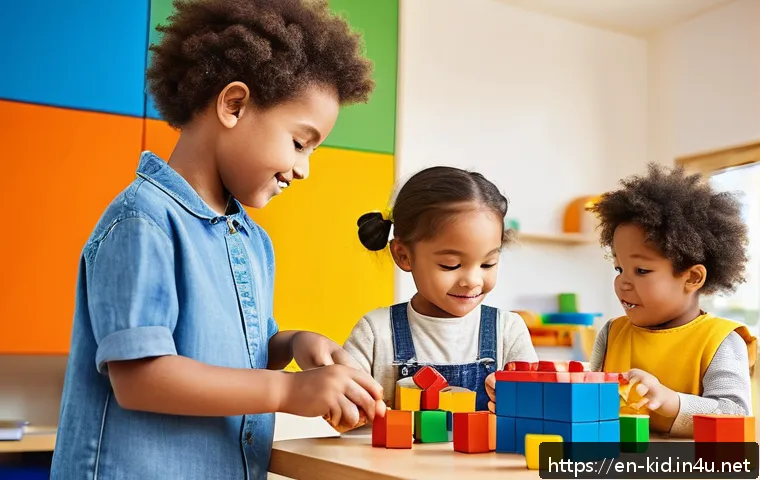
For example, playing with blocks or sorting toys by quantity encourages this natural recognition. It’s a subtle but critical step in their mathematical journey, helping them move from mere perception to actual counting.
Using Everyday Contexts to Reinforce Quantity Recognition
In my experience, children learn best when numbers come alive in their daily routines. Simple moments like setting the table for family dinner or counting steps while climbing stairs turn into powerful math lessons.
These real-life contexts help children connect abstract numbers to tangible experiences. Parents can gently ask questions like, “How many cups do we need?” or “Can you bring me two spoons?” This kind of language not only supports quantity recognition but also builds vocabulary and cognitive links between numbers and objects.
When kids see numbers as part of their world, curiosity and motivation naturally increase, making learning feel effortless and fun.
Challenges and Tips for Supporting Quantity Skills
Not all children develop this ability at the same pace, and some might struggle with distinguishing quantities initially. What helped me when working with young learners was introducing games that focus on comparing groups, such as “Which pile has more?” or “Can you find the smaller set?” These games provide a low-pressure way to build confidence and understanding.
Repetition and encouragement are key; avoid rushing the process, and celebrate small wins. Using visual aids like colorful counters or picture books can also support children who need extra help.
Patience combined with engaging activities can transform early quantity recognition into a joyful discovery.
Progression in Counting Skills
From Rote Counting to Meaningful Numbers
Most kids start by memorizing the number sequence—“one, two, three…”—without fully grasping what the numbers mean. This stage, which I often saw in classrooms, is a necessary step but can be frustrating if pushed too quickly.
The real magic happens when children begin to associate counting words with actual objects, connecting each number to a specific item. For instance, counting the number of crayons in a box or steps on a path turns rote counting into a meaningful experience.
Encouraging kids to point to items as they count helps solidify this link, making counting an active, sensory process rather than a passive recitation.
Understanding One-to-One Correspondence
One-to-one correspondence is a fundamental skill where each object is matched with one number word during counting. From my hands-on experience, children who master this early find it easier to tackle more complex math concepts later.
Activities like lining up toys and counting them aloud or distributing snacks evenly among friends provide natural practice. It’s important to gently correct when children skip objects or double-count, but always with patience and positive reinforcement.
Watching a child realize that every object has a number and that numbers represent quantity is one of the most rewarding moments in early education.
Common Counting Errors and How to Address Them
I’ve noticed that children often make similar mistakes, such as skipping numbers or repeating them while counting. These errors usually reflect their ongoing learning process rather than a lack of ability.
To support them, I recommend breaking counting tasks into manageable chunks and using visual cues. For example, counting five blocks instead of twenty can reduce overwhelm.
Songs and rhymes that incorporate numbers also provide rhythm and repetition, reinforcing correct sequences. Encouraging children to self-correct by asking questions like “Did you count each block?” nurtures their metacognitive skills and independence in learning.
Building Number Relationships and Comparisons
Introducing Concepts of More, Less, and Equal
Understanding how numbers relate to each other goes beyond counting; it involves comparing quantities and recognizing differences. I found that children naturally explore this through play, such as sharing toys or comparing snack portions.
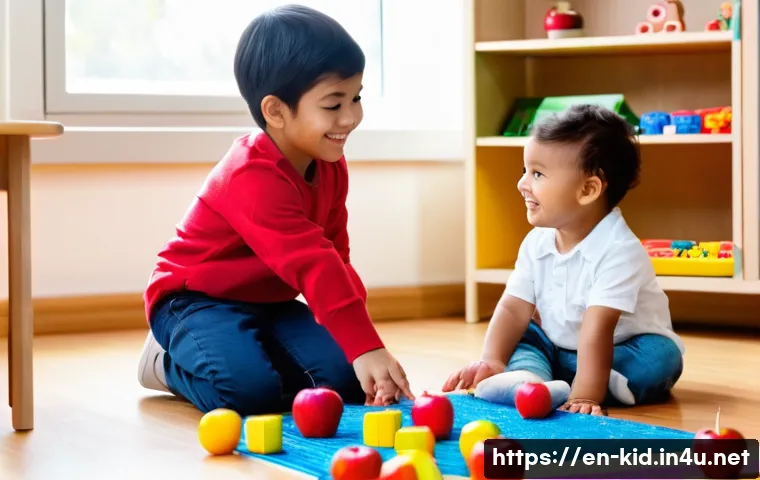
Phrases like “Who has more?” or “Are these piles the same?” invite kids to think critically about numbers in context. Using everyday materials like buttons or fruit makes these abstract ideas concrete.
These comparisons help children develop a flexible number sense, preparing them for addition, subtraction, and problem-solving later on.
Hands-On Activities to Deepen Number Comparison
Hands-on activities are invaluable in cementing number relationships. From my experience, games like “Number War” with cards or sorting objects into groups by size and quantity engage children deeply.
Manipulatives like counting bears or beads allow kids to physically move and compare sets, which is especially helpful for kinesthetic learners. Another favorite method is using scales or balance toys to visually demonstrate equality and difference.
These experiences make math tangible and enjoyable, encouraging kids to experiment and discover patterns on their own.
Encouraging Verbal Reasoning About Numbers
I’ve noticed that children who talk about numbers and comparisons develop stronger math skills. Asking open-ended questions such as “Why do you think this pile is bigger?” or “How can we make these equal?” promotes verbal reasoning and critical thinking.
Storytelling with numbers, like imagining sharing cookies among friends, creates meaningful narratives that stick in young minds. Encouraging children to explain their thinking helps educators and parents identify misconceptions early and guide learning effectively.
This dialogue builds confidence and lays a solid foundation for future mathematical discussions.
Early Understanding of Addition and Subtraction
Simple Combining and Separating Through Play
Introducing addition and subtraction in early childhood doesn’t need to be formal or intimidating. I often saw the best results when these concepts were embedded in everyday play, like adding blocks to a tower or taking some away.
Children naturally experiment with combining and separating objects, which builds an intuitive grasp of these operations. Using language such as “You had two cars, then I gave you one more, how many now?” helps connect words to actions.
This experiential learning creates a strong base for later symbolic math.
Using Visual and Physical Tools to Support Operations
Visual aids and physical manipulatives make abstract ideas concrete for young learners. Items like counting beads, fingers, or picture cards provide a way for children to see and touch numbers as they add or subtract.
From personal teaching experience, I found that using these tools reduces anxiety around math and makes problem-solving a game rather than a chore. Number lines drawn on paper or floors also help kids visualize addition as moving forward and subtraction as moving back.
These methods foster understanding through multiple senses, reinforcing concepts deeply.
Encouraging Problem Solving and Exploration
Children are natural problem solvers, and early math benefits greatly when they are encouraged to explore different ways to find answers. I’ve seen kids get excited when posed with simple challenges like “If you have three apples and eat one, how many are left?” Allowing them to use objects or drawings to work through these scenarios builds confidence.
Open-ended questions and scenarios that relate to their interests increase engagement. This approach nurtures a growth mindset, where mistakes are seen as learning opportunities rather than failures.
The Role of Language in Number Sense Development
Vocabulary That Shapes Number Understanding
Language plays a crucial role in how children grasp number concepts. Terms like “more,” “less,” “equal,” and “all together” provide the framework for understanding relationships between quantities.
I noticed that children exposed to rich numerical language at home or school tend to develop stronger math skills earlier. Storybooks, songs, and conversations that weave in these words naturally support learning.
Encouraging children to describe what they see or do with numbers strengthens their ability to think mathematically and communicate their ideas clearly.
Dialogues That Promote Mathematical Thinking
Engaging children in conversations about numbers sparks curiosity and deeper comprehension. Asking questions such as “How did you count those?” or “Can you show me another way to make five?” invites them to reflect and reason.
From my time working with kids, I found that these dialogues also reveal their thought processes, helping adults provide better guidance. When children verbalize their strategies, it reinforces understanding and builds confidence.
This interactive approach transforms passive learners into active thinkers.
Bridging Home and Classroom Language
Consistency between home and school language around numbers enhances learning. I often advise parents and educators to share terminology and approaches so children receive coherent messages.
For instance, if a teacher uses “add” and “take away,” parents can mirror these words during play or daily routines. This alignment reduces confusion and supports smooth transitions between environments.
Additionally, sharing simple math activities families can do together fosters a collaborative learning culture, reinforcing number sense in enjoyable and meaningful ways.
Tracking Development Milestones in Number Sense
Typical Progression Patterns
Children’s number sense develops in stages, but the timeline can vary widely. Generally, toddlers start by recognizing small quantities and rote counting, progressing to one-to-one correspondence and simple comparisons by preschool age.
Around ages 4 to 5, many children begin understanding basic addition and subtraction concepts. Knowing these milestones helps parents and educators set realistic expectations and tailor support accordingly.
I often recommend observing children’s natural interactions with numbers rather than forcing formal assessments, which can sometimes create unnecessary pressure.
Signs of Advanced or Delayed Number Sense
Some children demonstrate early mastery of number concepts, showing curiosity in counting beyond ten or solving simple math puzzles independently. On the other hand, delays might appear as difficulty recognizing quantities, frequent counting errors, or trouble with basic comparisons.
From my observations, early intervention through engaging activities and professional support can make a significant difference. It’s important to remember that every child is unique; consistent encouragement and tailored learning experiences often lead to positive outcomes.
Summary Table of Number Sense Development Stages
| Development Stage | Typical Age Range | Key Skills | Examples |
|---|---|---|---|
| Quantity Recognition | 2-3 years | Subitizing small sets, noticing differences | Instantly knowing 3 toys without counting |
| Rote Counting | 2-4 years | Reciting number sequence without full understanding | Singing number songs, counting aloud |
| One-to-One Correspondence | 3-5 years | Matching each object to one number word | Counting blocks by pointing |
| Comparisons and Relationships | 3-6 years | Understanding more, less, equal | Comparing snack portions |
| Basic Addition and Subtraction | 4-6 years | Combining and separating objects | Adding toys to a group, taking some away |
| Verbal Mathematical Reasoning | 4+ years | Explaining number thinking, problem solving | Describing how to share cookies equally |
Wrapping Up
Developing number sense in early childhood is a fascinating journey that builds the foundation for lifelong math skills. Through playful experiences and everyday moments, children naturally grow their understanding of quantities and operations. Patience, encouragement, and meaningful interaction are key to supporting this growth. By nurturing curiosity and confidence, we help children embrace math as an exciting part of their world.
Useful Tips to Remember
1. Encourage children to recognize small groups without counting by using toys and everyday objects. This builds intuitive number awareness.
2. Incorporate counting and quantity talk into daily routines like mealtime or playtime to make math relatable and fun.
3. Use games and visual aids to gently support children who struggle with number recognition or counting.
4. Promote verbal reasoning by asking open-ended questions that invite children to explain their thinking.
5. Align the language used at home and school to create consistency and reinforce number concepts effectively.
Key Takeaways
Early number sense develops gradually through experiences that connect numbers to real objects and situations. Recognizing small quantities, understanding one-to-one correspondence, and comparing amounts are foundational skills that prepare children for addition and subtraction. Engaging children with hands-on activities and encouraging mathematical conversations builds both competence and confidence. Consistent support and positive reinforcement create a nurturing environment where children can explore and enjoy math naturally.
Frequently Asked Questions (FAQ) 📖
Q: At what age do children typically start developing number sense?
A: Most children begin showing early signs of number sense as toddlers, around 18 months to 2 years old. During this period, they start recognizing small quantities and understanding simple concepts like “more” or “less.” By ages 3 to 4, many can count objects and begin to grasp basic number relationships.
From my experience working with young kids, these stages can vary, but providing lots of hands-on opportunities with counting and sorting really helps solidify these skills.
Q: What are some fun and effective ways to help young children build their number sense?
A: Incorporating number play into everyday routines works wonders. For example, counting steps while climbing stairs, sorting toys by size or color, or using snacks like grapes to practice simple addition are all engaging methods.
I’ve noticed that when kids connect numbers to real-life situations, like sharing or measuring, they understand better and stay interested longer. Games, songs, and storybooks that involve numbers also make learning feel natural and exciting.
Q: How can parents and educators know if a child is progressing well in developing number sense?
A: Observing how a child interacts with numbers in daily activities is a good indicator. If a child can count objects accurately, compare quantities, and solve simple problems like “If you have two apples and get one more, how many do you have?” that’s a positive sign.
It’s important to remember that every child develops at their own pace. Consistent, playful practice and encouragement often lead to steady growth, and when in doubt, consulting with early childhood educators can provide tailored guidance.