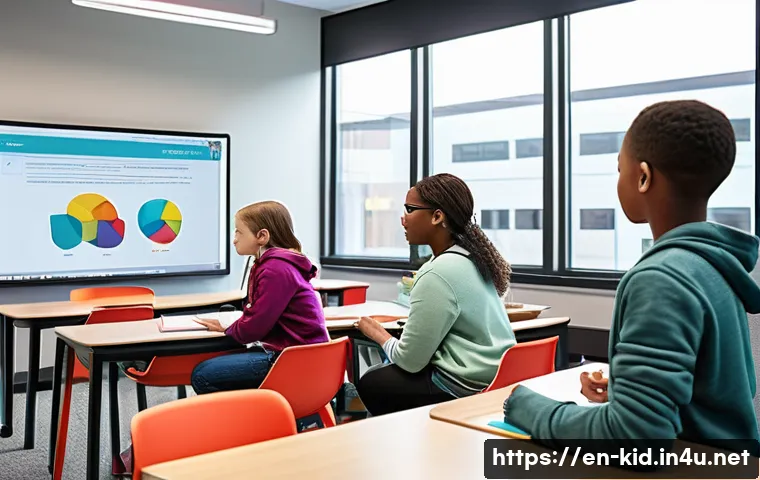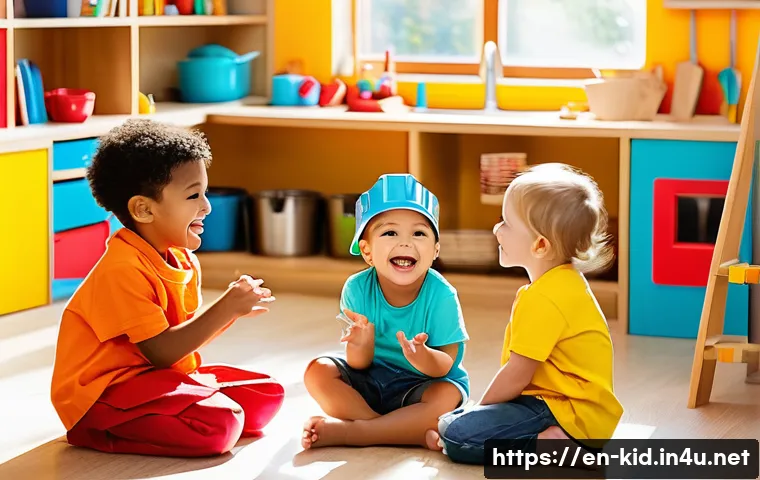
Play-based learning has become a cornerstone in early childhood education, transforming how we nurture young minds. By engaging toddlers in playful activities, children naturally develop critical thinking, creativity, and social skills without the pressure of formal instruction.
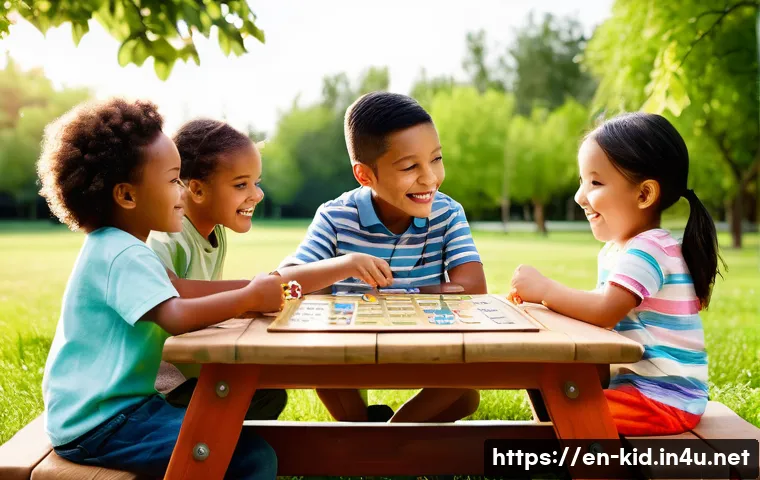
This approach respects each child’s unique pace and curiosity, making learning both enjoyable and effective. Parents and educators alike are seeing remarkable benefits as play fosters deeper understanding and emotional growth.
If you’re curious about how to implement this in your daily routine or classroom, you’re in the right place. Let’s dive deeper and explore the ins and outs of play-centered education!
Unlocking Creativity Through Imaginative Play
How Pretend Play Sparks Cognitive Growth
Pretend play acts as a powerful engine for young children’s cognitive development. When toddlers dress up as firefighters or create imaginary worlds with blocks, they’re not just having fun—they’re exercising their brains in ways that formal lessons rarely encourage.
This form of play challenges them to think abstractly, solve problems, and understand cause and effect. For example, when a child pretends to cook a meal, they’re planning steps, sequencing actions, and experimenting with ideas.
I’ve noticed that kids who engage in regular imaginative play tend to exhibit stronger language skills and better memory recall because they constantly narrate and negotiate scenarios in their minds.
This spontaneous creativity lays a solid foundation for more complex learning later on.
Encouraging Storytelling and Language Skills
One of the best things about imaginative play is how naturally it draws out language development. Children invent dialogues, voice characters, and describe scenes, which boosts vocabulary and grammar without the pressure of tests or drills.
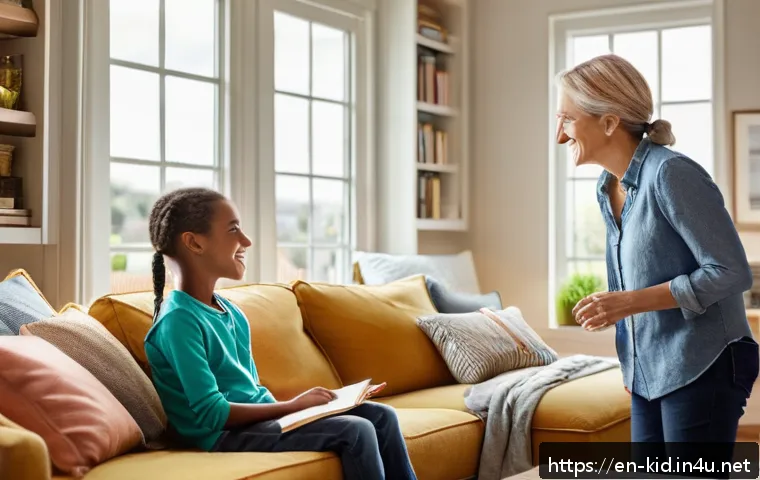
In my own experience volunteering in early childhood settings, I’ve seen shy kids blossom into confident communicators simply because they had a safe space to express themselves through play.
Storytelling during play also enhances listening skills and empathy, as children take turns and consider different perspectives. It’s an effortless, joyful way to build verbal skills that stick.
Fostering Emotional Intelligence Through Role Play
Role play doesn’t just stimulate the mind; it also nurtures emotional awareness. When kids act out family roles or social situations, they explore feelings like kindness, frustration, and joy in a controlled environment.
This helps them recognize and regulate their emotions better. For instance, a child playing “doctor” might comfort a stuffed animal, learning empathy in the process.
Observing this, I’ve often felt impressed by how play creates a safe space for children to practice emotional responses before facing real-life challenges.
It’s a gentle, effective form of emotional education that supports healthy social development.
Building Social Skills Through Group Play Dynamics
Negotiation and Cooperation in Shared Activities
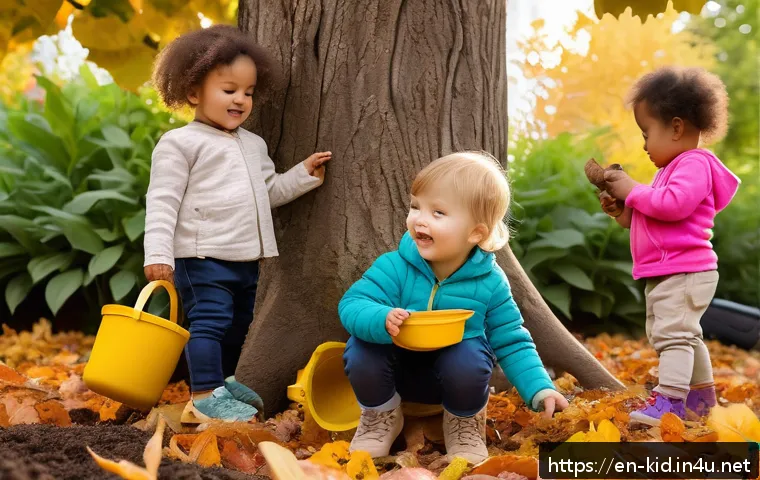
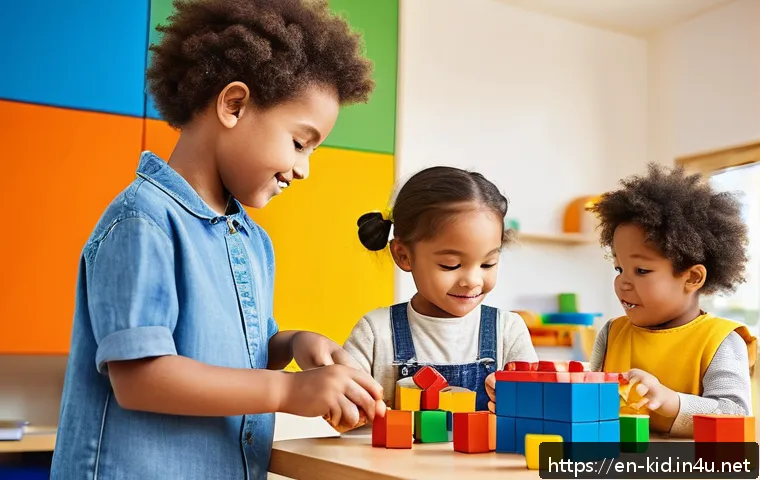
Group play is a microcosm of society, where kids learn essential social skills like sharing, negotiating, and cooperating. When children gather around a sandbox or collaborate on a puzzle, they must communicate their ideas, listen to others, and compromise.
I recall a time when a group of preschoolers had to decide who gets which role in a game; they argued, negotiated, and finally reached consensus on their own.
This process teaches conflict resolution and patience far better than any adult lecture could. The give-and-take of group play molds them into empathetic and socially adept individuals.
Understanding Boundaries and Empathy
Through play, children also discover personal boundaries and respect for others. Games with rules introduce limits and fairness, helping kids grasp the importance of following guidelines and recognizing others’ feelings.
My observations show that kids who regularly engage in rule-based play tend to develop stronger self-control and empathy. For example, during a board game, children learn to wait for their turn and celebrate others’ successes.
These social lessons are subtle yet powerful, shaping how children interact with peers and adults alike.
How Play Encourages Leadership and Teamwork
Play settings naturally create opportunities for leadership and teamwork. Some children take the lead in organizing activities, while others excel at supporting roles, both equally valuable.
I’ve seen shy kids step up as “team captains” during playtime, gaining confidence and communication skills. This dynamic environment nurtures diverse talents and encourages children to value cooperation over competition.
It’s fascinating how play cultivates a sense of community and shared purpose that lasts well beyond early childhood.
Integrating Play Into Everyday Learning Moments
Transforming Routine Tasks into Playful Experiences
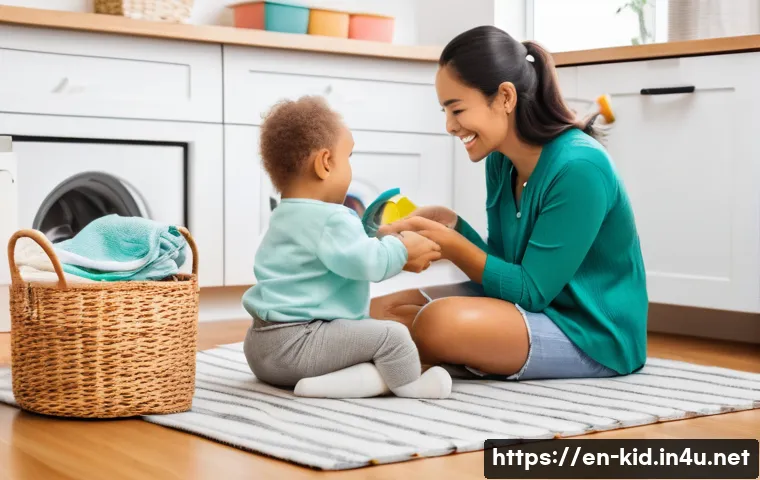
Incorporating play into daily routines makes learning seamless and enjoyable. Simple activities like sorting laundry can become a game of matching colors or counting items, turning chores into moments of discovery.
I’ve tried this with my niece, and her enthusiasm skyrocketed when she realized folding socks was a “puzzle” to solve. These playful twists keep children engaged and reinforce practical skills without feeling like work.
It’s a clever way to sneak learning into everyday life, especially when time is tight.
Using Play to Introduce Academic Concepts
Play can be a gentle introduction to academic ideas like numbers, letters, and science. For example, building towers with blocks teaches balance and measurement, while nature walks become lessons in observation and categorization.
In classrooms where I’ve volunteered, teachers use games and hands-on activities to make abstract concepts tangible. This approach respects children’s natural curiosity and helps them absorb knowledge more deeply because they’re actively involved rather than passively listening.
Creating Playful Learning Spaces at Home and School
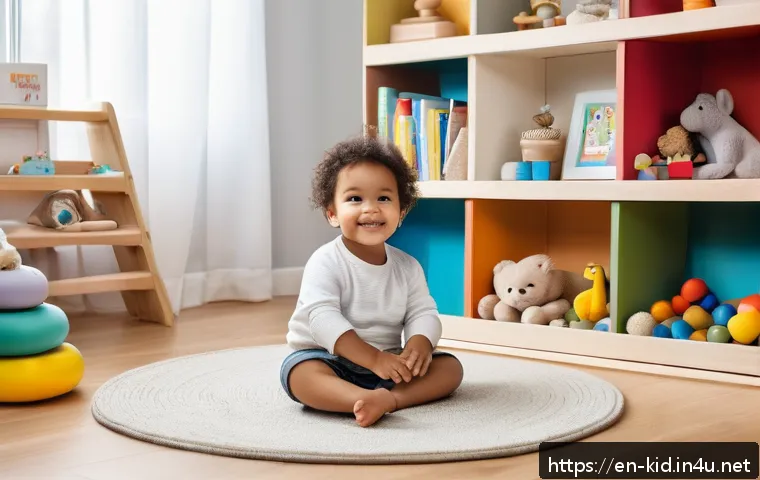
The environment plays a huge role in fostering play-based learning. Spaces filled with open-ended materials like art supplies, building blocks, and dress-up clothes invite creativity and exploration.
I’ve noticed that children thrive in areas where they can move freely and choose their activities without rigid instructions. Parents and educators can easily create such spaces by rotating toys and offering diverse materials that spark imagination.
This intentional setup encourages kids to take initiative and develop a love for learning that lasts.
The Role of Adults in Supporting Play Without Taking Over
Balancing Guidance and Freedom
Adults walking the line between support and control is key to effective play-based learning. From my experience, the best moments happen when adults gently scaffold play—asking open-ended questions or introducing new vocabulary—without directing every move.
This balance respects children’s autonomy while enriching their experience. For example, instead of telling a child exactly how to build, I might ask, “What do you think will happen if we add this block here?” Such prompts encourage critical thinking and keep the play child-centered.
Observing to Understand Developmental Needs
Careful observation helps adults tailor play experiences to each child’s interests and developmental stage. I often recommend keeping a simple journal to note what captivates a child during play and where they might need extra support.
This insight allows for personalized interventions that feel natural and encouraging rather than forced. For instance, if a child shows fascination with animals, introducing related storybooks or toys can deepen engagement and learning.
Encouraging Reflection and Expression Post-Play
After play sessions, inviting children to reflect on their experiences can deepen understanding and communication skills. Asking questions like “What was your favorite part?” or “How did you solve that problem?” helps kids articulate their thoughts and feelings.
I’ve found that these conversations not only reinforce learning but also build emotional literacy and confidence. It’s a simple yet powerful way to extend the benefits of play beyond the moment.
Measuring the Impact of Play-Based Learning
Assessing Progress Without Pressure
Traditional assessments don’t always capture the richness of play-based learning, so alternative approaches are essential. Observations, portfolios of children’s work, and anecdotal records provide a fuller picture of development.
From what I’ve seen, this method reduces stress for kids and highlights growth in creativity, problem-solving, and social skills. Teachers and parents feel more connected to children’s learning journeys through these authentic measures.
Long-Term Benefits Backed by Research
Decades of studies confirm that play-based learning supports academic achievement, emotional resilience, and social competence. I often share with parents how these benefits accumulate over time, shaping children who are not only smart but also adaptable and confident.
This evidence reassures families that choosing play over drills is a wise investment in their child’s future.
Examples of Successful Play-Based Programs
Programs like Montessori, Reggio Emilia, and Forest Schools emphasize play as a core educational strategy. I’ve visited classrooms inspired by these philosophies and witnessed how children thrive in environments that honor their natural curiosity.
These models inspire educators worldwide to rethink early childhood education and place play at the heart of learning.
Practical Tools and Resources to Enhance Play Learning
Top Materials That Stimulate Engagement
Having a well-stocked play toolkit makes a huge difference. Open-ended toys like wooden blocks, art supplies, sensory bins, and dress-up clothes invite endless creativity.
Personally, I find that rotating these materials every few weeks keeps children’s interest fresh and sparks new ideas. Simple household items like cardboard boxes or kitchen utensils can also become play treasures, proving you don’t need expensive gear to create magic.
Apps and Digital Resources That Complement Play
While screen time should be limited, certain educational apps can complement hands-on play effectively. Interactive storytelling apps, digital drawing tools, and games that promote problem-solving provide variety and reinforce skills.
From my experience recommending apps to parents, the key is choosing those that encourage creativity rather than passive consumption.
Community and Support Networks for Parents and Educators
Connecting with others who value play-based learning offers inspiration and practical tips. Local playgroups, online forums, and professional development workshops create spaces to share successes and challenges.
I’ve found that being part of such communities boosts confidence and keeps motivation high, helping adults sustain a playful learning environment even on tough days.
| Play-Based Learning Aspect | Benefits | Practical Examples |
|---|---|---|
| Imaginative Play | Enhances creativity, language, emotional intelligence | Dress-up, storytelling, role-playing doctor or chef |
| Group Play | Develops social skills, cooperation, empathy | Board games, team building activities, sharing toys |
| Everyday Integration | Makes learning seamless, reinforces practical skills | Sorting laundry, counting during snack time |
| Adult Support | Balances guidance with independence, personalized learning | Asking open-ended questions, observing interests |
| Assessment | Measures holistic development, reduces stress | Portfolios, observation notes, informal reflections |
In Conclusion
Imaginative play is a vital catalyst for children’s overall development, blending creativity, language, and social skills in a natural way. By embracing play as a learning tool, we nurture not only cognitive growth but also emotional intelligence and cooperation. Supporting children’s play thoughtfully allows them to explore, reflect, and thrive. Ultimately, play-based learning builds a strong foundation that benefits children well beyond their early years.
Useful Information to Keep in Mind
1. Imaginative play encourages abstract thinking and problem-solving, helping children develop essential cognitive skills while having fun.
2. Storytelling during play boosts language development by creating opportunities for kids to practice vocabulary and communication in a low-pressure setting.
3. Role-playing enhances emotional intelligence by allowing children to experience and manage different feelings safely.
4. Group play teaches important social skills like negotiation, empathy, and leadership through real-life interactions with peers.
5. Integrating play into daily routines and learning environments makes education enjoyable and supports natural curiosity.
Key Takeaways
Play is not just a pastime but a fundamental learning experience that cultivates a child’s intellectual, emotional, and social abilities. Adults play a crucial role by providing balanced support—guiding without taking control—and creating environments that invite exploration. Observing and responding to each child’s unique interests allows for personalized growth. Finally, measuring progress through observation rather than pressure ensures that learning remains joyful and effective.
Frequently Asked Questions (FAQ) 📖
Q: How does play-based learning benefit my child’s development compared to traditional teaching methods?
A: Play-based learning nurtures a child’s natural curiosity, allowing them to explore concepts at their own pace without the stress of formal instruction.
From my experience, children engaged in play develop stronger critical thinking skills because they experiment and solve problems creatively. Social skills blossom too, as kids negotiate roles and collaborate during play.
Unlike rigid lessons, this approach feels less like work and more like discovery, which keeps children motivated and emotionally connected to what they’re learning.
Q: What are some simple ways to incorporate play-based learning at home or in the classroom?
A: You don’t need fancy tools—just everyday items and a bit of imagination. I’ve found that setting up themed play stations, like a mini grocery store or a nature corner, invites kids to explore and learn naturally.
Encouraging open-ended questions during play, like “What do you think will happen if…?” sparks curiosity and deeper thinking. Also, balancing guided activities with free play gives children both structure and freedom, which is key.
The goal is to create a safe space where kids feel comfortable experimenting and expressing themselves.
Q: How can educators measure progress in a play-based learning environment without traditional tests?
A: Instead of standardized tests, progress is observed through children’s interactions, creativity, and problem-solving during play. I’ve noticed that educators often use portfolios of children’s work, anecdotal notes, and video recordings to track growth over time.
These methods capture not just academic milestones but also emotional and social development, which are equally important. It might feel less formal, but it offers a richer, more personalized picture of each child’s learning journey.