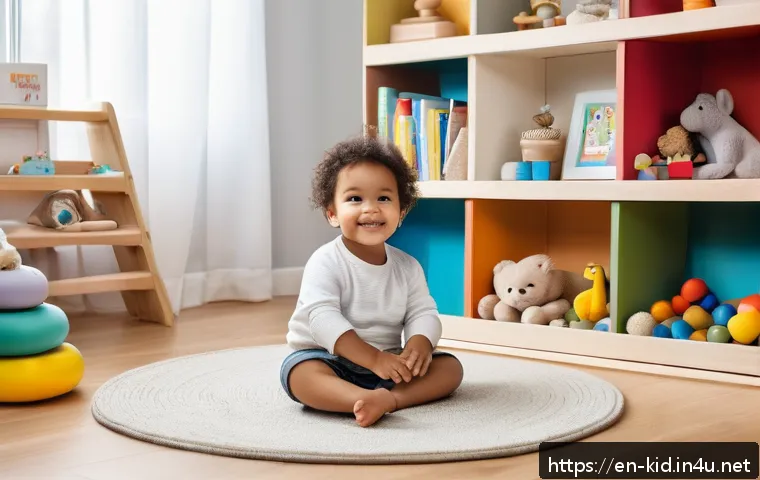
Sensory play for young children works best when it is simple, supervised, and matched to what the child can safely enjoy. You do not need expensive “sensory” products to begin, but washable, durable toys or structured activity kits can make frequent play easier to manage.
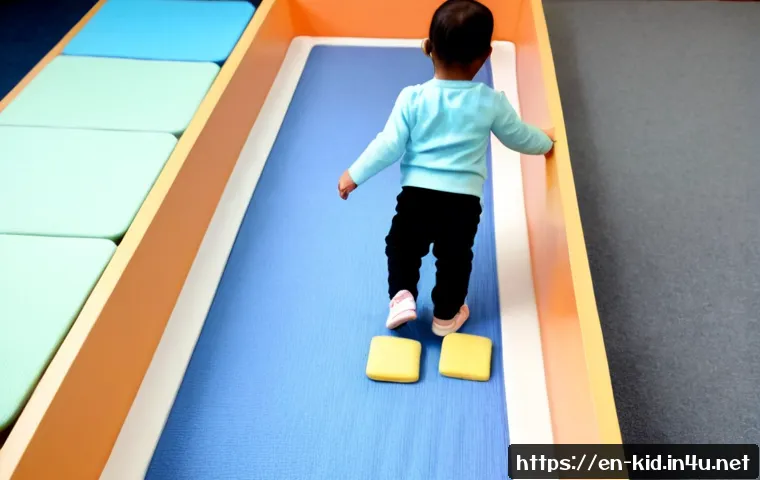
Sensory experiences can include touch, movement, sound, sight, smell, and taste in age-appropriate ways. Repeated hands-on exploration gives many young children a practical way to explore their surroundings.
A child’s dislike of a texture, sound, or activity does not automatically mean there is a developmental concern. If sensory differences regularly interfere with dressing, eating, sleep, play, or childcare participation, a pediatric clinician or occupational therapist may help you explore the situation.
At a Glance
- Low-cost option: Start with supervised household materials and simple movement games that fit your child’s abilities and interests.
- Buying option: Choose sensory toys with washable surfaces, durable construction, manageable storage, and age-appropriate parts.
- Extra support: Consider discussing daily-life challenges with a pediatric clinician or occupational therapist when they affect participation in routines.
| Option | Best For | What to Check | Potential Limitation |
|---|---|---|---|
| DIY sensory activity | Flexible, low-cost exploration at home | Supervision, choking risks, cleanup needs, and whether materials fit the child’s abilities | May require more setup, cleanup, and adult involvement |
| Sensory toy | Repeat use, focused play, and easier storage | Durability, washable materials, loose parts, and suitability for the individual child | A “sensory” label does not make every product safe or useful for every child |
| Activity kit or subscription kit | Caregivers who want a ready-made play prompt | Storage requirements, cleanup, included materials, and whether activities match the child’s interests | Convenience may not be worth it if the activities are rarely used |
| Occupational therapy consultation | Daily challenges involving eating, dressing, play, sleep, or childcare participation | What concerns are affecting routines and what services are available locally | Whether assessment is needed depends on the child and the impact on everyday life |
What Sensory Play Can Offer Young Children
A Quick Answer for Parents and Caregivers
Sensory play gives young children opportunities to explore through their bodies and senses. It can be as simple as feeling a safe texture, listening to a sound, moving through a room, or handling everyday objects under close supervision. The useful goal is exploration, not making a child tolerate an activity they dislike. Choose play that fits the child’s current developmental abilities, interests, and safety needs rather than relying on a fixed age label.
Different Senses Involved in Everyday Play
Touch, movement, sound, sight, smell, and taste can all be part of sensory play when offered in age-appropriate ways. A child may notice the feel of a soft cloth, the sound of a container closing, the movement of walking or crawling, or the visual contrast of objects placed nearby. Everyday routines can offer sensory experiences too. Getting dressed, washing hands, eating, and playing outside all involve different sensations.
Why Preferences and Responses Vary by Child
Some children seek repeated hands-on exploration. Others may prefer to watch first, use a tool instead of their hands, or move away from a sound or texture. A sensory preference is not automatically a problem. Avoid treating a dislike of sticky materials, loud sounds, or unfamiliar textures as something that must be corrected. Offer a different option, shorten the activity, or let the child observe without joining.
Compare Home Activities, Sensory Toys, Kits, and Professional Support
Low-Cost Household Materials: Benefits and Limitations
Household materials can support simple sensory play without a large purchase. A clean cloth, a larger container, safe everyday objects, or supervised water play may offer opportunities for touch and exploration. The main advantage is flexibility: you can stop quickly, change materials, and follow the child’s interest. The tradeoff is that small loose items, messy materials, and objects likely to be mouthed need close adult supervision.
What to Look for in Washable, Durable Sensory Toys
If you are comparing sensory toys, focus first on practical use. Look for materials that are easy to wipe or wash, sturdy enough for repeated handling, and simple to store. Check whether the toy has loose components, whether it can be cleaned after use, and whether its size and design fit your child’s abilities. A product marketed as a sensory toy is not automatically appropriate for every child, so individual suitability matters more than the label.
When a Structured Activity Kit May Be More Convenient
A sensory activity kit can be useful when you want a prepared activity rather than gathering materials each time. This may suit busy caregivers, childcare settings, or families who prefer a more contained setup. Before choosing a kit or subscription activity kit, consider where it will be stored, how often it is likely to be used, and how much cleanup the included activities require. A kit is most practical when its format fits your actual routine, not simply because it offers many pieces.
When to Consider Discussing Concerns with a Pediatric Clinician or Occupational Therapist
Consider a conversation with a pediatric clinician when sensory-related challenges regularly affect daily routines. Examples may include ongoing difficulty with dressing, eating, sleep, play, or participation in childcare. Occupational therapists may assess how sensory differences relate to these everyday activities. The purpose is to understand the daily-life impact, not to assume that every preference needs treatment.
Safe, Simple Activities for Touch, Movement, and Sound
Texture Exploration with Supervised Household Materials
Offer one simple texture at a time. A child might touch a clean cloth, hold a larger safe object, or explore water with an adult nearby. Keep the setup small so it is easy to stop if the child loses interest. If a child avoids touching something directly, try allowing them to look first or interact in another way. Do not pressure them to continue.
Movement-Based Games for Indoor or Outdoor Play
Movement can be part of ordinary play: walking, crawling, reaching, carrying an appropriate object, or following a simple path in a safe area. Indoor movement games work best when the space is clear and the activity matches the child’s physical abilities. Outdoor play may add natural sights, sounds, and movement. Keep the goal simple: safe movement and exploration, not a fixed performance target.
Calmer Activities for Transitions and Quiet Time
For quieter moments, reduce the number of materials and the amount of noise. A familiar object, a soft texture, or a brief activity with predictable steps may feel easier than a busy setup. This can be useful before a routine change, after childcare pickup, or when a child wants a lower-key activity. Watch the child’s response and keep the experience brief if that is what works best.
How to Adjust an Activity When a Child Loses Interest
When interest fades, simplify instead of adding more stimulation. Remove extra objects, offer a different material, change from hands-on play to watching, or end the activity. Young children often learn through repeated exploration, but repetition should still be child-led. Stopping is a valid outcome.
Safety, Cleanup, and Common Mistakes to Avoid
Choking, Allergy, and Mouthing Considerations
Small loose items can present choking hazards for young children. Materials that can be mouthed require close supervision and should be chosen with the child’s developmental abilities in mind. Consider allergy concerns when using household materials, especially when play involves touch, smell, or taste. If you are unsure whether a material is appropriate, choose a simpler alternative.
Avoiding Overstimulation and Forced Participation
More noise, more textures, and more toys do not necessarily create better sensory play. A crowded activity can be difficult for a child who prefers predictable or quieter experiences. Offer choices and allow the child to step back. Never force touching, smelling, tasting, or participating.
Choosing Materials That Are Easy to Clean and Store
Cleanup is part of choosing a sustainable activity. Washable tools, wipeable surfaces, and containers with a clear storage place can make sensory play easier to repeat. Before buying a sensory toy or activity kit, ask where it will live between uses and how it will be cleaned. A complicated setup may be less useful than a simple item you can use often.
Why “More Stimulation” Is Not Always Better

A child does not need every sense involved at once. A single sound, texture, movement activity, or visual item may be enough. Adding many materials can make it harder to notice what the child actually enjoys or avoids. Start small, observe, and adjust.
Choose Activities by Situation and Daily Routine
Short Activities for Busy Mornings or Childcare Pickup
Keep these moments simple. Offer one familiar object, a short movement break, or a quiet hands-on activity that does not create a major cleanup task. The best choice is usually one that can begin and end easily. Consistency and simplicity are often more useful than a complex sensory setup.
Options for Children Who Avoid Sticky, Loud, or Unpredictable Materials
Respect the preference and offer a lower-intensity alternative. A child who avoids sticky materials may prefer a dry, clean object. A child who dislikes loud sounds may prefer quiet handling activities. A child who finds unpredictable materials uncomfortable may do better with a familiar object and a clear beginning and end. There is no need to turn avoidance into a challenge.
Ideas for Siblings or Small-Group Play
For siblings or small groups, choose a setup that gives each child space and reduces competition for materials. Use fewer items at once and provide a simple option for watching rather than joining. Adult supervision remains important, especially if younger children are present or loose pieces are involved.
When Play Challenges Affect Meals, Dressing, Sleep, or Participation
Take note when sensory-related difficulties are not limited to one activity and appear to interfere with regular routines. A pediatric clinician can help you discuss what you are seeing. An occupational therapist may assess how sensory differences affect daily activities such as eating, dressing, sleep, play, or participation in childcare. This is a conversation about function in daily life, not a conclusion based on one behavior.
Selection Criteria and Comparison Summary
Best Fit for a Limited Budget
Start with a simple, supervised home activity using materials you already have and can safely manage. Choose one sensory experience rather than buying multiple products at once. If a child returns to a particular type of play, that can help guide later purchases.
Best Fit for Frequent Use and Easy Cleanup
Choose washable tools if frequent cleanup is a concern. Prioritize durable sensory toys with surfaces that can be cleaned easily and a storage plan that works in your home or classroom. A toy that is easy to access and put away may be more practical than a larger kit with many components.
Best Fit for a Child with Strong Sensory Preferences
Choose familiar, lower-pressure activities first. Look for products or materials that allow the child to control how closely they engage. Avoid assuming that a sensory product will change behavior, attention, sleep, or developmental outcomes. If preferences are affecting important daily routines, professional guidance may be worth discussing.
Questions to Ask Before Buying a Sensory Product or Booking Support
Ask: Is this suitable for my child’s current abilities? Does it contain small loose parts? Can I clean and store it easily? Will it fit our usual routine? Is the child likely to choose it more than once? If you are considering a pediatric occupational therapy consultation, ask how the service addresses daily activities such as meals, dressing, sleep, play, or childcare participation. For product details, service availability, and current terms, check the relevant official product or provider page.
Closing Thoughts
Sensory play does not need to be complicated or expensive. The most useful activities are safe, manageable, and responsive to the individual child. Start with a small experience, supervise closely, and let the child’s interest guide the next step. When challenges consistently affect everyday routines, a pediatric clinician or occupational therapist can help explore what support may be appropriate.
Helpful Things to Know
1. Repeated hands-on exploration and movement are common ways young children learn.
2. A child can participate by watching, holding one item, moving nearby, or choosing not to join.
3. Storage and cleanup needs are valid buying criteria for sensory toys and activity kits.
4. A sensory preference or dislike alone does not confirm a developmental concern.
Important Notes
This information is general and cannot determine whether a specific activity, toy, or therapy service is right for an individual child. Product safety, suitability, availability, pricing, insurance coverage, and professional recommendations require checking with the relevant manufacturer, provider, or clinician. Closely supervise young children, especially around small loose items or materials that may be mouthed.
Frequently Asked Questions
Q1. Are sensory toys worth buying, or can I use materials I already have at home?
A1. Both can be useful. Supervised household materials may be a practical low-cost starting point, while sensory toys can be helpful when you want more durability, easier cleanup, or simpler storage. Focus on safety, the child’s abilities, and whether the item is likely to be used regularly.
Q2. What are safe sensory play activities for children who put objects in their mouths?
A2. Choose activities carefully and supervise closely. Small loose items can create choking hazards, so avoid them when mouthing is a concern. Keep the activity simple, use materials that fit the child’s developmental abilities, and stop if the setup is no longer safe.
Q3. When should I ask a pediatrician or occupational therapist about sensory concerns?
A3. It may be useful to ask when sensory-related challenges regularly interfere with daily activities such as eating, dressing, sleep, play, or participation in childcare. A pediatric clinician or occupational therapist can help explore how those differences affect routines and whether further support should be considered.