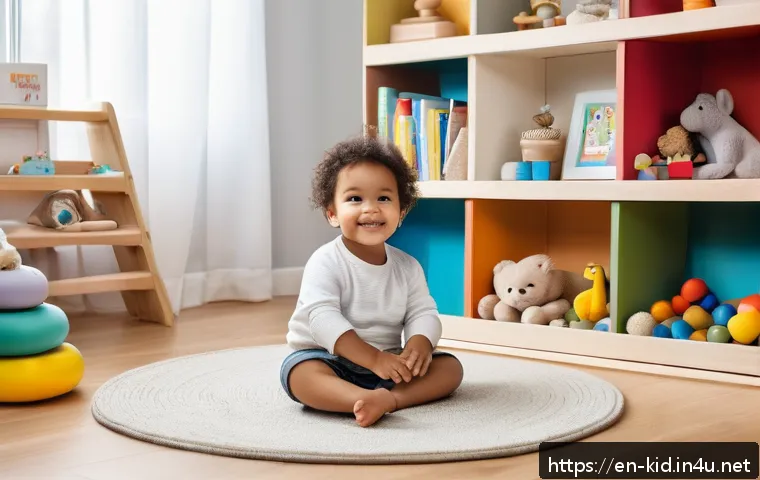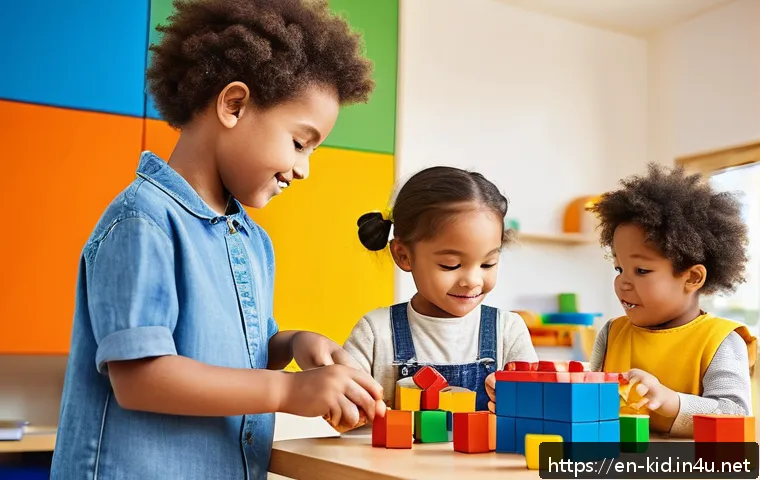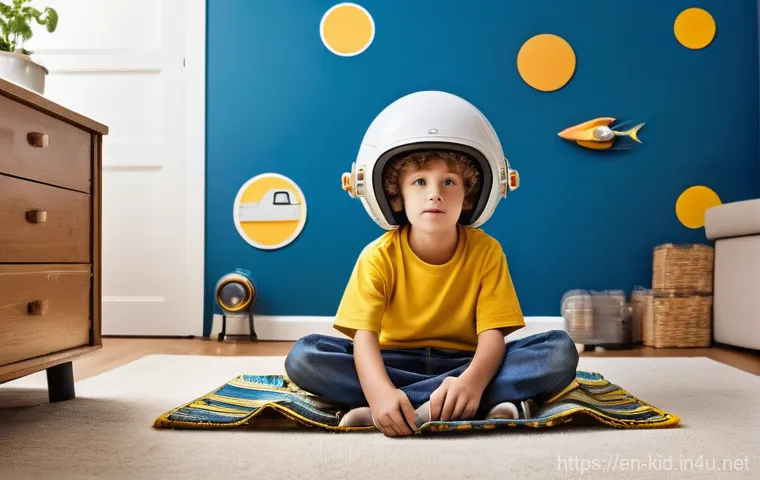
Hey there, fellow parents and caregivers! Ever watched a tiny human transform a cardboard box into a spaceship or a blanket fort into a secret castle?
It’s pure magic, isn’t it? As someone who’s spent countless hours observing little ones (and my own!) get lost in their imaginary worlds, I can tell you there’s nothing quite as powerful for a child’s development as good old-fashioned imaginative play.
We often underestimate how much these pretend scenarios shape their little brains, building everything from problem-solving skills to empathy and even boosting language development.
In today’s fast-paced, screen-heavy world, fostering that creative spark is more crucial than ever for their holistic growth and future success. I’ve personally seen how a simple set of blocks or a dress-up trunk can unlock endless hours of joy and learning, turning everyday moments into extraordinary adventures.
So, if you’re curious about how to nurture this incredible superpower in your own kids and why it’s so vital, let’s dive into all the wonderful ways imagination play truly makes a difference.
Unlocking Cognitive Superpowers: Brain-Boosting Benefits

You know, as a parent, sometimes I just sit back and watch my kids lost in their own little worlds, building elaborate forts or pretending to be valiant knights, and I’m always amazed. It’s not just cute; it’s a profound workout for their developing brains! I’ve personally seen how a simple blanket and a few pillows can transform into a spaceship, and with it, my child’s mind is suddenly grappling with gravity, space travel logistics, and even the emotional journey of an astronaut. This kind of play isn’t just about fun; it’s a powerhouse for cognitive development. Think about it: when they’re pretending, they’re constantly making connections, solving mini-problems like “How do I make this tower stand taller?” or “What does a dragon eat?” These aren’t just silly questions; they’re the foundations of critical thinking and reasoning. Their memory also gets a fantastic boost as they recall characters, storylines, and rules they’ve set for their imaginary worlds. I remember one time, my daughter spent an entire afternoon meticulously planning a tea party for her stuffed animals, assigning roles, remembering individual preferences, and even inventing conversations. It was pure genius!
The Language Lab of Play
One of the most remarkable things I’ve noticed is how much language blossoms during imaginative play. Suddenly, my usually quiet son becomes a boisterous pirate captain, shouting commands and narrating epic sea battles with a vocabulary I didn’t even know he possessed! It’s truly a natural language lab. Children are experimenting with new words, understanding contexts, and practicing complex sentence structures without even realizing it. They’re not just repeating what they hear; they’re actively creating dialogue, weaving narratives, and expressing emotions through words. This active engagement with language, spurred by their own imagination, is incredibly powerful. I often find myself listening in, utterly fascinated by the sophisticated stories they conjure up, filled with rich descriptions and intricate plots.
Fostering Flexible Thinking and Problem-Solving
Imaginative play is a masterclass in flexible thinking. Kids are constantly adapting, innovating, and overcoming challenges within their make-believe scenarios. A stick isn’t just a stick; it’s a magic wand, a sword, a fishing rod, or even a crutch for a wounded soldier. This ability to see multiple uses for an object, to transform one thing into another through sheer will, is the essence of problem-solving. They’re constantly troubleshooting: “How do we escape the lava?” “What if the villain catches us?” These are not just fanciful questions; they’re exercises in strategic thinking and creative solutions that translate directly into real-world challenges later on. As a mom, I’ve seen this firsthand – the kid who can solve a pretend dragon dilemma is often the one who can figure out how to fix a broken toy or mediate a sibling disagreement.
Nurturing Emotional Intelligence and Empathy
It’s incredible how much our little ones learn about their own feelings and the feelings of others when they dive into imaginative play. I’ve often observed my children taking on different roles – sometimes they’re the bossy parent, other times the timid pet, or even a scary monster. Each role allows them to step into another’s shoes, exploring a wide range of emotions in a safe, controlled environment. They might pretend to be sad when their teddy bear is “sick,” or angry when a toy car “breaks down.” This isn’t just mimicking; it’s processing and understanding complex emotions, both within themselves and as they perceive them in others. I remember my daughter once pretended to be a shy new student at school, and through her play, she explored feelings of nervousness and eventually triumph as she made “friends.” It was a profound insight into her own emerging social and emotional understanding.
Understanding Different Perspectives
When children engage in role-playing, they’re not just having fun; they’re actively practicing empathy. They’re considering how a doctor might feel, what a shopkeeper might say, or how a baby might cry. This continuous exercise in perspective-taking is fundamental for building empathy. They learn to consider motivations and reactions that are different from their own, which is a massive leap in emotional development. This is something I’ve seen play out in my own family. When my kids argue, I sometimes encourage them to role-play the other person’s side, and it often leads to a breakthrough in understanding and a much quicker resolution. It’s like a tiny, self-directed therapy session that builds their emotional muscles.
Developing Self-Regulation and Emotional Expression
Imaginative play also gives children a crucial outlet for expressing and managing their emotions. Sometimes, a child might be feeling overwhelmed or frustrated, and through play, they can act out those feelings in a non-threatening way. A child who feels powerless might pretend to be a superhero, asserting control over an imaginary world. A child feeling sad might have their doll express similar sadness, allowing them to process their own emotions at a remove. This self-regulation is key. I’ve personally seen my youngest work through a tantrum by later having her stuffed animal throw a similar, exaggerated tantrum, allowing her to understand and distance herself from the intensity of her feelings. It’s a fantastic, natural way for them to learn about emotional boundaries and healthy expression.
Building Blocks of Social Skills and Communication
Watching a group of kids, or even just two, engaged in imaginative play is like watching a mini-society in action. They’re constantly negotiating roles, sharing ideas, and collaborating to build their imaginary worlds. It’s an absolute goldmine for developing social skills that will serve them well throughout their lives. I’ve seen some of the most complex negotiations happen over who gets to be the “king” or how the “rescue mission” should proceed. They learn to compromise, to lead, and to follow, all within the safety of their make-believe. This kind of spontaneous social interaction teaches them the nuances of give-and-take in a way that structured activities often can’t replicate. It’s not always smooth sailing, of course; there are disagreements and moments of frustration, but those are just as valuable, teaching them conflict resolution in real-time.
Collaborative Storytelling and Shared Worlds
When children play together, they’re essentially co-authoring a story. They have to listen to each other’s ideas, integrate them into the narrative, and sometimes even pivot their own plans based on what someone else brings to the table. This collaborative storytelling is a sophisticated form of communication. They learn to articulate their thoughts clearly, to persuade, and to understand non-verbal cues. My kids and their cousins can spend hours building an entire civilization out of LEGOs and then spending even more time creating elaborate backstories and dialogues for its inhabitants. It’s truly incredible how their individual imaginations merge to form a much richer, shared universe. This isn’t just about making friends; it’s about learning to be an effective team member, a skill invaluable in any future setting.
Navigating Social Rules and Expectations
Imaginative play provides a low-stakes environment for children to experiment with social rules and expectations. They might act out scenarios where someone is being unfair, or where they need to follow specific instructions. Through these pretend interactions, they learn about consequences, fairness, and appropriate behavior. They’re essentially practicing for real-life social situations. I remember one playdate where the kids were pretending to be at a fancy restaurant, and they meticulously followed “rules” of etiquette they’d observed from adults, even though in real life they might struggle with them. It showed me how deeply they process and integrate social norms through play, making them their own.
Sparking Creativity and Problem-Solving Prowess
There’s an undeniable magic in watching a child’s imagination take flight. It’s not just about dreaming up fantastical scenarios; it’s about actively engaging in creative thinking and developing robust problem-solving skills that will serve them for a lifetime. I’ve often seen my children turn mundane household objects into extraordinary tools within their play – a colander becomes a spaceship helmet, a broom a majestic horse, or a simple paper towel roll an intricate telescope. This isn’t just idle fancy; it’s a profound exercise in divergent thinking, where they explore multiple solutions to a single challenge. This ability to think outside the box, to see potential where others might see only ordinary, is a cornerstone of innovation. I recall one particularly cold winter day, my kids couldn’t go outside. Instead of screen time, they decided their playroom was the Arctic, and they spent hours figuring out how to “survive” the harsh conditions using blankets, pillows, and whatever toys they could find. It was a masterclass in creative problem-solving!
Cultivating Ingenuity Through Open-Ended Play
The beauty of imaginative play lies in its open-ended nature. There are no predetermined rules or outcomes, giving children the freedom to invent, experiment, and even fail without real-world consequences. This freedom is crucial for nurturing true ingenuity. When children are given a simple set of blocks or a pile of loose parts, their minds are forced to create structure, narrative, and purpose. They’re not just following instructions; they’re writing their own. This hands-on, self-directed creation process strengthens their capacity for original thought and resourceful action. As a parent, I’ve found that the less I intervene and the more I provide simple, versatile materials, the more truly original and complex their imaginative scenarios become.
From Imaginary Challenges to Real-World Solutions
The problem-solving muscles flexed during imaginative play aren’t confined to their make-believe worlds. The skills they develop – identifying a challenge, brainstorming solutions, trying different approaches, and evaluating outcomes – are directly transferable to real-life situations. Whether it’s figuring out how to share a toy fairly, organizing their school bag, or even tackling a challenging math problem, the mental agility honed through pretend play gives them a significant advantage. I’ve seen this play out with my own kids. The one who spent hours figuring out how to build a working “elevator” for her dolls is often the same one who can methodically break down a tricky homework assignment into manageable steps. It’s a testament to how profoundly play shapes their ability to navigate the complexities of life.
Why Screen Time Can’t Compare: The Unique Value of Pretend Play
In our modern world, screens are everywhere, and it’s so easy for kids to get sucked into the passive consumption of digital content. While some educational apps have their place, I’ve personally come to realize that no amount of screen time can replicate the profound, holistic benefits of good old-fashioned imaginative play. When children are glued to a screen, they’re primarily receiving information; their brains are reacting to stimuli, but they’re not actively creating, problem-solving, or interacting in the same dynamic way. Imaginative play, on the other hand, is an active, multi-sensory experience that engages every part of their developing mind and body. It’s the difference between watching a chef cook a meal and actually getting into the kitchen, measuring ingredients, and experimenting with flavors yourself. One is passive observation, the other is active learning and creation.
The Absence of Active Creation and Agency
Most screen-based activities, even interactive games, often provide a predetermined framework and limited choices. Children are navigating within boundaries set by others, rather than creating their own. This can stifle the very essence of imaginative development, which thrives on open-ended possibilities and the freedom to invent. With imaginative play, the child is the director, the writer, the actor, and the set designer all rolled into one. They have complete agency over their world, allowing them to explore their ideas without external constraints. I’ve observed that after too much screen time, my kids can sometimes seem less inventive, almost expecting to be entertained rather than initiating their own play. It’s a subtle shift, but a significant one in terms of their long-term creative drive.
Missing Out on Sensory and Physical Engagement
Imaginative play is inherently physical and sensory. Whether they’re building a fort, dressing up, or running around as a superhero, they’re engaging their bodies, developing gross and fine motor skills, and interacting with the physical world around them. They’re feeling textures, hearing sounds, and actively moving through space. Screen time, by contrast, is largely sedentary and often limits sensory input to sight and sound, predominantly from a fixed distance. This lack of physical and multi-sensory engagement can have real implications for their overall development, from coordination to spatial awareness. I’ve found that my kids are always more engaged, happier, and even sleep better after a session of active, imaginative play compared to an afternoon spent in front of a tablet.
Practical Tips for Fostering Imagination at Home
So, how do we, as busy parents, make sure we’re nurturing this incredible superpower in our kids? It’s not about expensive toys or elaborate setups; it’s often about providing the right environment and opportunities. I’ve learned that sometimes the simplest things spark the biggest adventures. The key is to step back, observe, and offer gentle nudges rather than directing the play. Remember, they’re the architects of their imaginary worlds. One of the best investments I ever made was a large, sturdy box. It has been a car, a house, a cave, a rocket ship, and countless other things, all thanks to my kids’ incredible ingenuity. It’s truly amazing how much mileage you can get out of something so basic.
Curating an “Imagination Station” with Open-Ended Materials

Instead of overwhelming them with toys that do one specific thing, try to create an “imagination station” with a collection of open-ended materials. Think about things like scarves, old clothes, cardboard boxes, blankets, empty containers, pipe cleaners, and building blocks. These items don’t dictate the play; they invite children to assign their own meanings and functions. I’ve found that rotating these materials keeps things fresh and prevents boredom. A simple basket of fabric scraps can become costumes, picnic blankets, or even flags for a pretend kingdom. It’s about providing springboards for their ideas, not predefined play scenarios. I keep a dedicated bin for these “loose parts,” and it’s often the most popular toy in the house.
Embrace Boredom and Step Back
This might sound counterintuitive in our always-on world, but sometimes the best thing we can do for imagination is to allow for a little boredom. When children aren’t constantly entertained, their minds naturally start searching for something to do, leading them to invent their own play. I’ve noticed that some of the most elaborate and creative play scenarios unfold after a period of quiet, unstructured time. As parents, it’s also important for us to step back and resist the urge to direct or over-structure their play. Let them lead, even if it seems a bit chaotic or doesn’t make perfect sense to our adult brains. Their process is often more important than the product. Trust me, I’ve had to bite my tongue many times when I wanted to “fix” their play, only to realize they were doing just fine on their own.
Join in, But Don’t Take Over
While giving them space is crucial, occasionally joining in their imaginative worlds can be incredibly rewarding for both you and your child. Just remember, your role is to be a supportive participant, not the director. Ask open-ended questions like “What happens next?” or “Who am I in this adventure?” instead of telling them what to do. Follow their lead, embrace their rules, and enjoy the ride. I’ve had some of the most memorable moments with my kids pretending to be trapped in a magical forest or exploring a faraway planet. These shared experiences not only foster their imagination but also strengthen our bond in truly unique ways. It’s a beautiful thing to witness their worlds firsthand, even for a little while.
The Long-Term Impact: Preparing Kids for Future Success
It’s easy to dismiss imaginative play as just “kids being kids,” but what we’re really witnessing is the foundational work for future success. The skills honed through pretending to be a doctor, a chef, or an explorer aren’t just for childhood; they’re the building blocks for adaptability, innovation, and resilience in adulthood. In a world that’s constantly changing, the ability to think creatively, solve problems, and collaborate effectively is no longer a luxury but a necessity. I’ve seen countless examples in my own life and among friends where the most successful individuals are often those who can approach challenges with a playful mindset, unafraid to experiment and imagine new possibilities. This isn’t just about getting a good grade or landing a specific job; it’s about thriving in a complex, unpredictable world.
Cultivating Future Innovators and Leaders
Think about the qualities of a successful entrepreneur, a groundbreaking scientist, or an inspiring leader. They are often individuals who can envision what isn’t yet, who aren’t afraid to take risks, and who can motivate others towards a shared goal. These are precisely the qualities that imaginative play nurtures from a young age. When children create their own narratives and systems, they’re developing leadership skills, understanding how to manage resources (even imaginary ones!), and learning to articulate their vision. They are, quite literally, practicing being future innovators and leaders. I believe the time my kids spend building elaborate societies in their bedroom is just as important, if not more so, than any formal lesson in preparing them for the challenges and opportunities of the adult world.
Resilience and Adaptability in a Changing World
Life throws curveballs, and the ability to adapt and bounce back from setbacks is paramount. Imaginative play provides a safe arena for children to practice navigating unforeseen circumstances and dealing with “failures” within their pretend worlds. When a tower collapses or a storyline takes an unexpected turn, they learn to adjust, rebuild, and re-imagine. This iterative process builds resilience. They learn that things don’t always go according to plan, and that’s okay; there’s always an opportunity to try a different approach. This mental flexibility is crucial in a rapidly evolving world where static skills quickly become obsolete. I’ve personally observed that kids who engage in a lot of imaginative play seem to handle minor frustrations and unexpected changes in plans with a bit more grace and ingenuity than those who are less accustomed to open-ended challenges.
Beyond Entertainment: The Profound Learning in Play
Sometimes, we, as adults, get so caught up in “educational” toys or structured learning activities that we forget the immense educational value embedded in free, unstructured imaginative play. It’s so much more than just a way to pass the time; it’s a child’s natural way of making sense of the world, processing experiences, and developing a foundational understanding of complex concepts. I’ve seen my kids act out scenes from books we’ve read, allowing them to internalize the narratives and explore the characters’ motivations in a way that simply reading alone couldn’t achieve. This hands-on, self-directed exploration creates deeper, more meaningful learning experiences that stick with them far longer than rote memorization. It’s often through play that they truly grasp abstract ideas like cause and effect, sequence, and even basic physics.
Processing the World Through Pretend
Children often use imaginative play as a way to process their observations and experiences, both positive and challenging. A trip to the doctor might be re-enacted, allowing them to understand the procedure and alleviate any fears. Observing adult interactions, they might mimic them in their play, trying on different roles and understanding social dynamics. This active processing helps them integrate new information and make sense of their environment. I vividly recall my daughter meticulously re-enacting her first airplane trip with her dolls, from packing their tiny suitcases to navigating the “airport” security, allowing her to digest an entirely new and overwhelming experience in a manageable, playful way. It was her way of making the unfamiliar familiar.
The Unseen Curriculum of Creativity
While schools focus on a formal curriculum, imaginative play offers an “unseen curriculum” that teaches creativity, critical thinking, and social-emotional skills in a deeply integrated way. It’s learning by doing, by imagining, and by interacting. These aren’t just isolated skills; they’re intertwined capabilities that form the bedrock of a well-rounded individual. The benefits ripple across all areas of development, from improved academic performance to enhanced personal relationships. I truly believe that investing in opportunities for imaginative play is one of the most powerful things we can do as parents to prepare our children for a joyful and successful future.
Here’s a quick look at some key benefits:
| Benefit Area | What It Develops | Real-World Application |
|---|---|---|
| Cognitive Development | Problem-solving, critical thinking, memory, language skills | Academic success, strategic planning, effective communication |
| Emotional Intelligence | Empathy, self-regulation, understanding emotions, perspective-taking | Strong relationships, conflict resolution, emotional resilience |
| Social Skills | Collaboration, negotiation, leadership, communication, sharing | Teamwork, networking, effective social interactions |
| Creativity & Innovation | Original thinking, adaptability, resourcefulness, divergent thinking | Entrepreneurship, artistic expression, finding novel solutions |
Empowering Future Selves Through Playful Exploration
It’s truly fascinating to consider how the simple act of a child pretending transforms into the sophisticated skills adults use every single day. We’re not just talking about keeping them occupied; we’re talking about actively shaping their future selves. Every time they turn a stick into a magic wand, they’re not just having fun; they’re engaging in abstract thought, a cornerstone of advanced mathematics and philosophical reasoning. When they negotiate with a sibling about who gets to be the “good guy” in their superhero game, they’re practicing diplomacy and conflict resolution, skills vital in any workplace or personal relationship. I’ve often reflected on how my own childhood, filled with endless hours of creating imaginary worlds, directly contributed to my ability to think creatively and adapt to new challenges as an adult. It’s a continuous thread, weaving from the fantastical realms of childhood into the practical realities of adulthood.
Building a Foundation for Lifelong Learning
Imaginative play instills a love for exploration and discovery, a curiosity that forms the very foundation of lifelong learning. When children are the masters of their own play, they’re intrinsically motivated to learn, to experiment, and to push the boundaries of their understanding. This self-directed learning is far more powerful and lasting than any externally imposed curriculum. They learn that learning can be joyful, engaging, and deeply personal. This intrinsic motivation is key to their success in school and beyond, fostering individuals who are constantly seeking knowledge and personal growth. I believe this inherent curiosity, sparked by the freedom of imaginative play, is the greatest gift we can give our children, preparing them not just for what they need to know, but for how to learn anything they might encounter.
Cultivating Confidence and Self-Efficacy
There’s an incredible boost to a child’s confidence and self-efficacy when they realize they can conjure entire worlds from their own mind. They are the creators, the problem-solvers, the heroes of their own stories. This sense of agency and accomplishment, even in a pretend scenario, builds a deep sense of capability and self-worth. It teaches them that their ideas have value, that their voice matters, and that they are capable of incredible things. This robust sense of self is invaluable as they navigate the challenges of growing up, allowing them to approach new situations with courage and a belief in their own abilities. I’ve seen shy children transform into confident leaders within their imaginative games, carrying that newfound self-assurance into their everyday interactions. It’s a powerful transformation that begins with play.
Wrapping Things Up
Well, friends, as we draw to a close, I hope this deep dive into the magic of imaginative play has resonated with you as much as it has with me in my own parenting journey. It’s truly incredible to witness the sheer power of our children’s minds when given the freedom to explore and create. Remember, fostering this vital skill isn’t about grand gestures or expensive gadgets; it’s about providing space, offering simple materials, and occasionally, just quietly stepping back and letting their brilliance shine. By doing so, we’re not just ensuring their happiness today, but genuinely equipping them with the resilience, creativity, and emotional intelligence they’ll need to thrive in whatever amazing futures they build for themselves. Keep playing, keep imagining!
Handy Tips for Your Imagination Journey
Here are a few quick takeaways and extra pointers I’ve gathered from my own experience that might just make fostering imaginative play even easier and more enjoyable for everyone:
1. Rotate Play Materials: Don’t feel pressured to constantly buy new toys. Instead, periodically rotate the “open-ended” items you have available. Storing some things away for a few weeks and then bringing them back out can make them feel brand new, sparking fresh waves of creative play and extending their usefulness far beyond what you’d expect. It keeps kids from getting bored with the same old things without costing a dime. Think of it as a free toy store in your own home!
2. Create a “Prop Box”: Dedicate a specific bin or box just for dress-up clothes, scarves, old hats, empty cardboard tubes, or even mismatched socks. These simple items can instantly transform into props for countless imaginary scenarios, from royal balls to deep-sea explorations. Having them readily accessible encourages spontaneous play and helps kids quickly jump into character without needing your direct assistance. It’s like their personal costume and prop department, always ready for action.
3. Embrace the Mess: Imaginative play can sometimes get a little messy – blankets everywhere, toys scattered, and perhaps even some “potions” brewed from water and leaves. Try to embrace it as part of the creative process. A little mess today often means a whole lot of learning and joy happened. Setting clear boundaries for cleanup *after* play can help manage expectations without stifling the flow of their creative energy. Remind yourself that a tidy room is often a sign of less active engagement.
4. Model Imagination: Kids learn so much from watching us. Occasionally, join in their play, but more importantly, show them your own imaginative side in everyday life. Talk about “what if” scenarios, tell spontaneous stories, or playfully assign new roles to objects around the house. When they see you using your imagination, it gives them permission and encouragement to explore their own. You don’t have to be a professional actor; just a willing participant can make a huge difference.
5. Limit Over-Scheduled Time: In our fast-paced world, it’s easy for kids to have every hour of their day filled with structured activities. However, unstructured free time is where imaginative play truly flourishes. Try to carve out consistent blocks of “do nothing” time, where children are left to their own devices. It’s in these moments of quiet exploration that their minds are truly free to wander, invent, and create the most extraordinary adventures. Sometimes, the greatest gift is simply the gift of time. Just let them be.
Key Pillars of Playful Development
Let’s boil down the essence of why imaginative play is such an irreplaceable force in our children’s lives. Fundamentally, it’s the bedrock for truly holistic development, shaping not just happy kids, but future-ready adults. First, remember that play is a powerhouse for cognitive growth, sharpening problem-solving, critical thinking, and language acquisition far more effectively than passive alternatives. Second, it’s a profound teacher of emotional intelligence and empathy, allowing kids to safely explore feelings and understand diverse perspectives. Third, it’s the ultimate bootcamp for social skills, fostering collaboration, negotiation, and communication vital for any group interaction. Finally, imaginative play stands unrivaled in its ability to spark genuine creativity and problem-solving prowess, cultivating ingenious minds that can adapt and innovate in an ever-changing world. Ultimately, by championing imaginative play, we’re investing directly in their resilience, confidence, and capacity for lifelong learning.
Frequently Asked Questions (FAQ) 📖
Q: So, what’s the big deal with imaginative play? What real-world skills are my kids actually picking up?
A: Oh, this is such a fantastic question, and one I get all the time! Honestly, I used to think imaginative play was just about keeping the kids busy, but after years of watching my own little adventurers (and countless others!), I’ve realized it’s a superpower for development.
It’s not just “cute”; it’s a profound learning experience. Think about it: when your child turns a broom into a magic wand, they’re not just playing; they’re solving a problem (what can stand in for a wand?), building narratives (what spell are they casting?), and even expressing emotions.
I’ve personally seen how kids use pretend play to work through things that might be bothering them – a scary doctor’s visit, a new sibling, or even just a difficult day at school.
They’re developing crucial social skills by negotiating roles and rules (“No, you be the dragon this time!”), boosting their language by narrating elaborate stories, and seriously flexing their problem-solving muscles when they figure out how to make their blanket fort stand up.
It’s a holistic brain workout, fostering empathy, creativity, and even early literacy skills. It’s truly amazing to witness!
Q: My house is already bursting with toys! How can I encourage this kind of play without buying a ton of new stuff?
A: I hear you loud and clear on the toy overload! It feels like every birthday and holiday brings a fresh avalanche, doesn’t it? But here’s the really cool secret I’ve discovered: the best tools for imaginative play often aren’t “toys” at all.
Seriously, my kids’ most epic adventures have sprung from the simplest, most unexpected items. Think about the humble cardboard box – spaceship, race car, secret hideout, robot costume!
Blankets and pillows can become an entire kingdom or a perilous cave. A stack of old clothes from your closet? Instant dress-up box, transforming them into pirates, princesses, or daring explorers.
Even kitchen utensils can become magical potions or tools for a pretend repair shop. The key is providing “open-ended” materials – things that don’t have a single prescribed use, allowing your child’s brilliant mind to assign any role it chooses.
I’ve personally watched my little ones spend hours with a pile of sticks and rocks in the backyard, creating entire worlds. Sometimes, less truly is more, because it leaves more room for their imagination to fill in the blanks!
Q: In today’s digital world, how do I strike a balance between imaginative play and screen time for my kids?
A: This is the million-dollar question for every parent right now, and believe me, you’re not alone in wrestling with it! It’s a constant juggle, and I get it – screens are everywhere, and they’re incredibly engaging.
What’s worked for us (and it’s definitely a continuous effort!) is setting clear boundaries and then making the “unplugged” options really enticing. Instead of just saying “no screens,” try offering an exciting alternative.
“Hey, do you want to build a giant fort right now, or maybe create a whole new world with your blocks?” Often, once they’re deeply immersed in a creative project, the screens are forgotten.
I’ve found that dedicated “play zones” or “imagination stations” in the house, even if it’s just a corner with some dress-up clothes or art supplies, can be really effective.
Another thing that’s made a huge difference is my involvement. When I join in, even for just 15-20 minutes, playing along with their pretend scenarios, it ignites their enthusiasm so much more.
It shows them that these imaginary worlds are valued and exciting. It’s not about eliminating screens entirely, but about prioritizing and nurturing that incredible, irreplaceable spark of imaginative play, because honestly, that’s where the real magic happens for their growth.