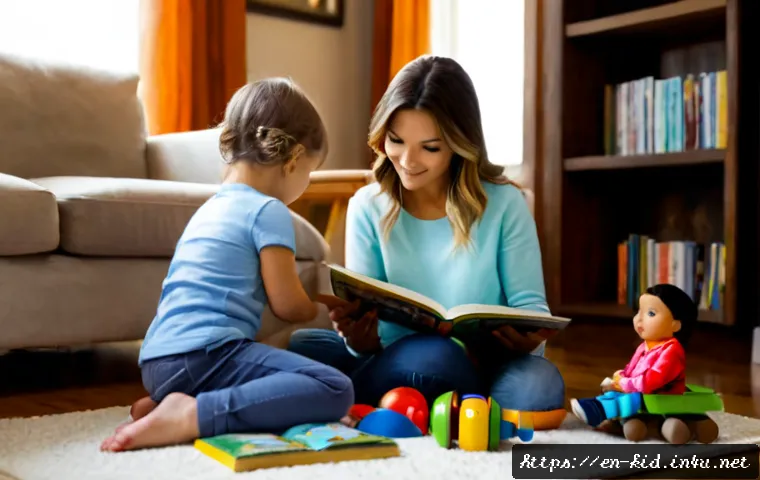
Start with a short shared reading time each day, choose simple books that match your child’s attention span, and treat paid tools as optional support rather than a shortcut.

For most babies and toddlers, warm adult interaction, repetition, and conversation matter more than finishing a book or starting formal lessons early.
Library borrowing can provide plenty of variety, while durable purchased books may suit favorite routines and frequent rereading. Literacy apps, book subscriptions, and reading tutors can be worth considering when they solve a clear practical need, such as limited time, a desire for curated materials, or ongoing concerns that need qualified guidance.
Keep sessions comfortable, follow the child’s interests, and avoid turning reading into a test.
At a Glance
- Read together briefly and often: short, repeated sessions usually fit young children better than long lessons.
- Choose simple materials: board books, picture books, rhymes, and repeated phrases can invite participation.
- Pay for support only with a clear purpose: compare weekly use, adult involvement, and your family’s real needs.
| Resource | Cost Approach | Adult Involvement | Best Use Case |
|---|---|---|---|
| Library books | Free borrowing option | High during shared reading | Trying many topics, formats, and authors without building a large collection |
| Purchased books | Buy only favorites or durable everyday choices | High during shared reading | Frequent rereading, travel, bedtime, and children who return to the same book |
| Children’s book subscriptions | Recurring paid option | Still benefits from adult participation | Families who value regular new selections and will use them consistently |
| Early literacy apps | May involve a paid app or subscription | Best used alongside adult conversation | A limited supplement when it fits a specific routine or interest |
| Reading tutor or specialist support | Paid professional service | Parent or caregiver follow-through may still help | Families seeking individualized guidance or discussing persistent concerns |
The Simple Goal: Make Reading a Warm, Daily Interaction
The early goal is not to make a baby or toddler read independently. It is to make books feel familiar, enjoyable, and connected to conversation. Shared reading can support exposure to spoken vocabulary, story structure, and conversational turn-taking. A child who points, grabs the pages, repeats one word, or asks for the same story again is participating.
What Success Looks Like for Babies, Toddlers, and Preschoolers
For an infant, success may mean looking at a picture, listening to your voice, or holding a sturdy book. For a toddler, it may mean naming an animal, filling in a repeated phrase, or turning the pages out of order. For a preschool-age child, it may include talking about what could happen next or connecting a story to daily life. Interest and comfort are better guideposts than comparison with another child.
A Three-Step Read-Aloud Routine That Takes 5 to 15 Minutes
First, let the child help choose a book or page. Second, read the words while pointing to a few pictures and naming what you see. Third, pause for a response: “What is that?” “Where did the dog go?” or “Can you find the bus?” If the child answers with a gesture, a sound, or a different topic, that still counts as interaction.
Keep the routine short enough that it can happen on a busy day. You do not need to finish every page. Stopping while the child is still interested can be more useful than insisting on one more spread.
Why Conversation Matters More Than Finishing Every Page
Books give adults a simple reason to talk together. Point to objects, name actions, copy sounds, and wait briefly for the child to respond. Repeated phrases are especially useful because children can begin to anticipate the language and sequence. Reading becomes less like a performance and more like a back-and-forth exchange.
Choose Materials by Attention Span, Not by Marketing Labels
A label that says “educational” does not automatically make a resource right for your child. Look first at what holds their attention, what you can use comfortably, and whether the material leaves room for conversation. The best early reading materials are often simple enough to revisit many times.
Best Book Features for Infants, Toddlers, and Preschool-Age Children
For babies, consider sturdy board books with clear pictures, simple words, and pages that can handle grabbing or mouthing. Toddlers may enjoy picture books, rhymes, familiar daily routines, animals, vehicles, and predictable repeated phrases. Preschool-age children may stay with slightly longer picture books, simple story sequences, and nonfiction topics they already love.
There is no need to buy a large set all at once. A small group of books that a child wants to revisit can be more practical than many books that remain untouched.
Library Borrowing vs. Buying Books vs. Subscription Boxes
Library books are a practical starting point for families who want variety and want to discover what a child enjoys. Borrow books about animals one week, construction vehicles the next, then try rhymes or familiar routines. This reduces the pressure to guess what will become a favorite.
Purchased books can make sense for titles a child repeatedly requests, especially durable books used at bedtime, in the car, or during travel. A small personal collection can also make a routine easier when returning library books feels difficult during a busy week.
Children’s book subscriptions may appeal to families who want curated choices arriving regularly. Before subscribing, ask whether the books will be read more than once, whether they match your child’s current interests, and whether delivery creates convenience rather than clutter. A subscription is not necessary for early literacy; it is a possible organization tool.
When Literacy Apps Can Complement, Rather Than Replace, Shared Reading
An early literacy app can be a supplement when it fits a limited, specific purpose. For example, it may offer another way to engage with letters, sounds, pictures, or stories. However, an app does not replace the responsive moments of shared reading: noticing a child’s expression, answering a question, or expanding on what they say.
If you consider a paid literacy app, look for a format your child can use with you rather than alone whenever possible. Ask what the app adds to your existing routine before paying for a subscription. If the answer is unclear, library books and conversation may already meet the need.
Build a Routine That Works on Busy Days
Consistency does not require a perfect bedtime setup or a long daily lesson. It means creating a few realistic openings for books and talk. Choose moments that already happen, then keep a book within reach.
Reading at Bedtime, Meals, Travel, and Waiting Times
Bedtime is a natural reading moment, but it is not the only one. Keep a board book near the changing area, place a picture book in a travel bag, or bring one along for a waiting time. At meals, you can talk about the pictures from a book read earlier instead of trying to open pages near food.
For a child with lots of energy, reading can happen while they stand, move, or hold a toy. Sitting still is not the test of whether reading time is working.
How to Use Repetition Without Making Reading Feel Like a Lesson
When a child requests the same book repeatedly, follow their lead. On one reading, emphasize the pictures. On another, pause before a repeated line. On another, ask the child to find one object. These small changes keep the book familiar while adding new opportunities for language.
Avoid turning repetition into a quiz. If a child does not answer, simply name the picture or continue the story. The point is connection, not a correct response.
A Simple Weekly Book Rotation Plan
Keep a few familiar books available throughout the week and add one or two borrowed or less-familiar choices. Let the child return to favorites without removing them too quickly. At the end of the week, notice what they asked for, what led to conversation, and what was ignored. Use that information before buying more books or choosing a new literacy subscription.
Common Mistakes That Can Reduce Engagement
Many reading routines become harder when adults feel pressure to teach too much too soon. A calmer approach usually makes it easier to continue over time. Watch for signs that the child is losing interest, and adjust the activity rather than pushing through.
Pushing Letter Drills Before a Child Is Interested
Letters can appear naturally in books, signs, and a child’s name, but they do not need to become the center of every reading session. Babies and toddlers often benefit more from hearing words, looking at pictures, and taking turns in conversation. If letter activities create resistance, return to stories, rhymes, or favorite topics.
Correcting Every Word or Answer

If a child calls a rabbit a cat or points to the wrong picture, avoid making the moment feel like an error. You can respond naturally: “Yes, it has soft fur. This one is a rabbit.” This keeps the conversation moving while offering new language.
Choosing Expensive Tools Before Identifying the Real Challenge
Before purchasing an early literacy program, a children’s book subscription, or one-to-one tutoring, name the actual problem. Do you need more book variety? A more reliable routine? Materials that travel well? Ideas for talking during reading? A paid option is more useful when it answers a specific question.
Marketing claims alone cannot determine whether a product will suit every child. Start with the smallest useful change, then decide whether additional support is needed.
Adjust the Approach for Different Family Situations
Early reading does not need to look identical in every home. Adapt the materials, timing, and expectations to your child and your family’s language, schedule, and routines.
For Babies Who Mouth or Grab Books
Use durable board books and expect exploration. Name one picture at a time, allow brief handling, and keep the session short. If the book becomes more interesting as an object than a story, that is normal. Try again later rather than treating it as a failed reading session.
For Toddlers Who Will Not Sit Still
Choose books with clear pictures, repeated lines, and topics that match current interests. Let the child point from across the room, bring a toy that matches the story, or act out an animal movement. A child can listen and participate without staying in one place.
For Children Who Prefer Nonfiction, Vehicles, Animals, or Familiar Routines
Use that preference. Books about trucks, pets, food, weather, family routines, or animals can support the same shared-reading habits as fictional stories. Ask simple questions, name details, and invite the child to find familiar objects. Interest is a useful entry point, not a limitation.
For Multilingual Households
Shared reading can include the languages used at home. Name pictures in the language that feels natural, tell parts of the story in your own words, or discuss the book after reading it. The key is responsive conversation. Choose books and routines that help your family communicate comfortably rather than forcing a single style of reading.
Choosing Resources and Support: A Cost-and-Value Comparison
Free and paid resources can both have a place. The right choice depends less on a product category and more on whether it will be used regularly, whether it fits your child’s interests, and whether it supports—not replaces—adult interaction.
When Free Library Resources Are Enough
Library borrowing may be enough when you have access to a changing selection of books and can make a short shared-reading habit work at home. It is especially useful when you are still learning whether your child prefers rhyme, nonfiction, stories, vehicles, animals, or familiar routines. Borrowing lets you explore without assuming that every book needs to become a purchase.
When Buying Durable Books or a Subscription May Be Practical
Buying a book can be practical when it is repeatedly requested and used in everyday routines. A book subscription may be worth comparing if choosing new titles is a recurring obstacle and your family will open, read, and revisit the deliveries. Look beyond the appeal of “new” materials. Consider storage, repeat use, the child’s actual interests, and whether the service fits your household rhythm.
When to Consider a Literacy Specialist, Tutor, or Developmental Consultation
Professional support may be worth considering when you want individualized guidance or when there are persistent concerns about hearing, speech, language, or development. A reading tutor, literacy specialist, or appropriate qualified professional can help a family discuss observations and next steps. A product review, an app, or a subscription cannot determine whether a child has a developmental concern.
A Final Checklist Before Paying for an Early-Learning Product or Service
Ask these questions before committing to a purchase or service:
- What specific routine or challenge will this resource address?
- Will we realistically use it each week?
- Does it encourage shared conversation, or does it mainly replace it?
- Does it fit the child’s current interests and attention span?
- Could library borrowing or a few durable books meet the same need?
- If concerns are persistent, would qualified professional guidance be more appropriate?
Resource Selection and Comparison Summary
Choose resources by weekly use, not marketing claims. Start with short daily shared reading and library books if you need variety. Buy durable favorites when they truly become part of your routine, and consider a children’s book subscription only if regular curation solves a real time or selection problem. Treat literacy apps as a supplement that still leaves room for adult conversation. If you are considering tutoring or specialist support, review the provider’s official information and service details before deciding.
In Closing
An early reading routine can be simple: a short book, a few comments about the pictures, and a child who feels free to respond in their own way. Repetition is useful, movement is allowed, and unfinished books are not a problem. The most practical resource is the one your family can use comfortably and consistently. Start small, notice what creates interest, and adjust from there.
Helpful Things to Know
1. Re-reading familiar books can help children anticipate language and story sequence.
2. Pointing, naming, and pausing are simple ways to make a read-aloud interactive.
3. A child’s preference for the same topic or book can guide future library borrowing and purchases.
4. Brief reading moments can happen outside bedtime, including during travel and waiting times.
Important Notes
Children develop language and reading-related skills at different rates. No specific age can guarantee when an individual child will recognize letters, speak clearly, or read independently. Paid apps, subscription boxes, and tutoring programs may fit some families but cannot be assumed to improve outcomes for every child. Persistent concerns about hearing, speech, language, or development should be discussed with an appropriate qualified professional.
Frequently Asked Questions
Q1. How long should I read with a toddler each day?
A1. Short, repeated reading sessions are often a good fit for toddlers. A routine that lasts around 5 to 15 minutes can work, but there is no need to force a set length. Stop, shorten the session, or switch books if interest fades.
Q2. Are paid literacy apps worth it for preschool children?
A2. They can be worth considering when they fit a specific need and are used as a supplement to shared reading. Compare the app by how often your family will use it, whether it encourages adult participation, and whether library books or existing materials could meet the same goal.
Q3. When should a parent consider getting professional help for a child’s reading or language development?
A3. Consider discussing persistent concerns about hearing, speech, language, or development with an appropriate qualified professional. A professional can help assess the situation and suggest suitable next steps; an app, subscription, or general online advice cannot provide an individual assessment.