Start toilet training when your toddler shows signs of readiness, not simply because they have reached a certain age. A calm routine and a matter-of-fact response to accidents usually matter more than buying a large collection of potty products.
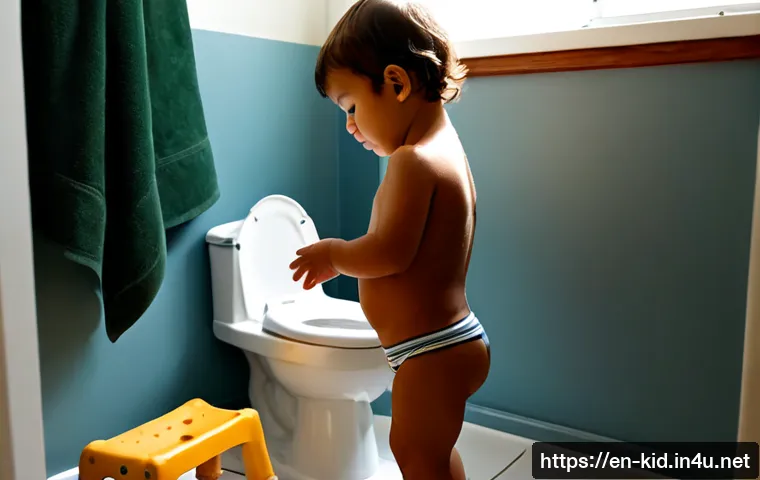
The most useful setup is the one that fits your bathroom, your child’s comfort, and the routines used by every caregiver. A potty chair, toilet-seat insert, step stool, training pants, or travel option can solve specific problems, but none can guarantee faster learning.
If progress becomes painful, highly distressing, or complicated by constipation or urinary symptoms, a pediatric clinician can help assess what is going on.
At a Glance
- Start with readiness: Notice interest, communication, and longer dry periods rather than relying on age alone.
- Use a calm routine: Offer predictable bathroom opportunities after waking, meals, or before bathing.
- Buy for a real need: Choose equipment that improves stability, cleanup, portability, or bathroom access.
| Training Product | Price Range | Cleanup | Portability | Stability | Best-Use Situation |
|---|---|---|---|---|---|
| Potty chair | Compare current listings and included features | Requires emptying and cleaning after use | Usually best kept at home | Can feel secure because it sits on the floor | Children who are hesitant about the full-size toilet |
| Toilet-seat insert | Compare fit, material, and cleaning design | Less separate equipment to empty | Useful when visiting familiar bathrooms | Depends on a secure fit to the toilet seat | Children who want to copy family bathroom routines |
| Step stool | Compare height, grip, and footprint | Usually simple to wipe clean | May be moved between bathrooms | Look for a steady, non-slip base | Children using a toilet-seat insert or washing hands independently |
| Reusable training pants | Compare fabric, fit, and laundry needs | Require washing after accidents | Easy to pack in a bag | Not applicable | Practice at home when caregivers can manage laundry |
| Disposable pull-ups | Compare package options and routine use | Convenient disposal, but still require calm cleanup after accidents | Easy for daycare, outings, or travel | Not applicable | Situations where convenience and changes away from home matter |
The Short Answer: Start With Readiness, Routine, and a Calm Response
Toilet training tends to go more smoothly when it begins with readiness, predictable practice, and low pressure. Your goal is not a perfect week. It is to help your toddler become familiar with the bathroom routine and feel safe trying.
What a Realistic First Week Can Look Like
During the first week, you might offer the potty or toilet at predictable times, such as after waking, after meals, or before a bath. Your child may sit briefly, use it sometimes, refuse it other times, or have several accidents. All of these responses can be part of learning. Keep the routine short and ordinary rather than turning every bathroom visit into a major event.
Why Pressure and Punishment Often Create Setbacks
Accidents are normal. Shame, scolding, or punishment can add stress to a skill that already requires body awareness, communication, and a new routine. A simple response works well: clean up calmly, state what happened without blame, and offer another chance later. If a child is distressed or strongly resistant, slowing down may be more useful than pushing forward.
Is Your Toddler Ready to Begin?
Age alone is not a reliable readiness test. Some toddlers show clear interest earlier or later than others. Look for a group of practical signs instead of waiting for one perfect signal.
Practical Readiness Signs to Watch For
Common signs include noticing a wet or soiled diaper, showing interest in the bathroom, staying dry for longer periods, and communicating basic needs. Your child does not need to demonstrate every sign before you begin gentle practice. The more signs you see, the easier it may be to build a consistent daytime routine.
When Waiting May Be the Better Choice
Consider pausing if your child is experiencing constipation, painful bowel movements, fear, major routine changes, or strong pressure from adults. Starting during a move, travel period, daycare transition, or family disruption can make practice harder. Waiting is not failure; it can be a practical choice that protects your child’s comfort.
A Quick Caregiver Consistency Check
Before starting, ask whether the adults involved can use similar language and offer similar bathroom opportunities. A child does not need identical rules in every location, but a broadly consistent approach helps. Decide who will handle cleanup, what clothing is easiest to change, and whether daycare has its own toileting routine.
Choosing a Potty Setup: What Is Worth Buying?
The best potty-training gear solves a specific setup problem. Comfort, stability, easy cleanup, and portability are usually more useful buying criteria than extra features.
Potty Chair vs. Toilet-Seat Insert vs. Travel Potty
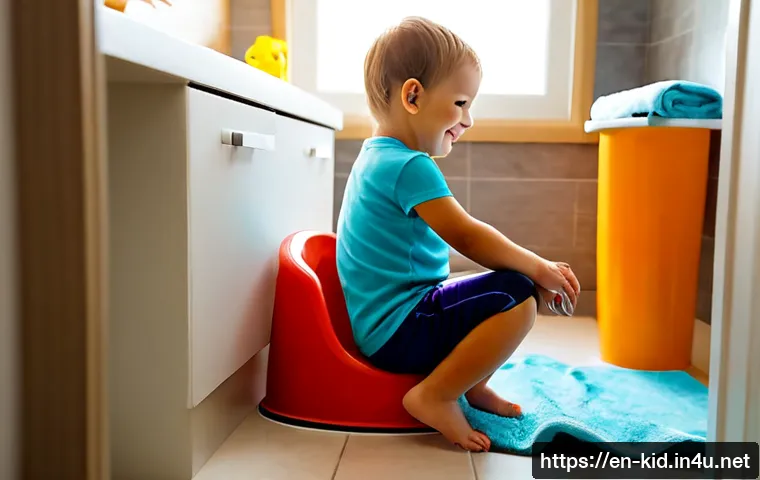
A potty chair can be helpful when a child feels intimidated by a full-size toilet or needs a low, stable option. A toilet-seat insert may suit children who want to use the regular bathroom and imitate older family members. A travel potty can be useful for outings when access to a familiar bathroom is uncertain. The right option depends on your child’s size, preferences, sensory needs, and your bathroom layout.
When a Step Stool Improves Comfort and Independence
A stable step stool can make a toilet-seat insert more practical by helping a toddler climb up and feel supported. It can also support handwashing, which makes it useful beyond toilet training. Before choosing one, check the base, grip, height, and whether it fits safely in the available bathroom space.
Training Pants and Pull-Ups: Convenience, Cost, and Cleanup Trade-Offs
Reusable training pants may work well for home practice when laundry is manageable. Disposable pull-ups can be convenient for daycare, travel, errands, or times when frequent clothing changes are difficult. Neither option replaces routine practice. Choose based on the cleanup your household can realistically handle, not on a promise of faster training.
Features to Compare Before Purchasing
For a potty chair, consider whether the bowl is easy to remove and clean, whether the base feels steady, and whether the size fits your child. For a toilet-seat insert, check that it sits securely on your toilet. For a step stool, prioritize a non-slip, stable design. Compare product details carefully before choosing, especially when your child is sensitive to textures, height, noise, or unfamiliar bathroom equipment.
A Simple Daytime Training Routine
A routine creates opportunities without demanding results. Keep bathroom visits predictable and brief, then let your toddler return to play, meals, rest, or family activities.
Building Predictable Bathroom Opportunities
Offer bathroom time after waking, after meals, or before bathing. These moments are easy to remember because they are already part of the day. If your child says no, avoid turning it into a battle. You can acknowledge the response and try again at the next routine point.
Language That Encourages Without Creating Pressure
Use simple, neutral phrases such as “It’s bathroom time,” “You can try if you want,” or “Your body is learning.” Avoid making the potty a test of being “good” or “big.” Calm language helps children understand the task without attaching embarrassment to accidents or resistance.

How to Handle Accidents and Cleanup Calmly
When an accident happens, clean up without blame. You can say, “Pee came out in your clothes. Next time we can try the potty or toilet.” Keep spare clothing, wipes, and protective bedding where they are easy to reach. A practical cleanup setup can reduce stress for caregivers and children alike.
Common Challenges and Situation-Based Adjustments
Setbacks can happen during normal changes in routine. Instead of assuming a child is refusing to learn, look at what changed and whether the current setup feels manageable.
Refusal, Fear of the Toilet, and Sensory Discomfort
A child may dislike the toilet’s height, sound, seat opening, or unfamiliar feel. A potty chair, securely fitted seat insert, or step stool may address one of those comfort issues. If fear or distress continues, reduce pressure and consider discussing the pattern with a pediatric clinician.
Daycare, Travel, Siblings, and Schedule Changes
Ask daycare caregivers what bathroom opportunities and clothing changes are practical there. For travel, pack spare clothing and choose the simplest routine you can maintain. A new sibling, a changed schedule, or time away from home can interrupt progress. Returning to a familiar, low-pressure routine may be more helpful than adding stricter expectations.
Constipation, Pain, and Signs to Discuss With a Pediatric Clinician
Constipation and painful bowel movements can make toilet training more difficult. Persistent pain, constipation, urinary symptoms, or significant distress around toileting are reasons to speak with your child’s pediatric clinician. A clinician can help assess concerns that cannot be sorted out by changing equipment or schedules alone.
Why Nighttime Dryness Needs a Separate Plan
Nighttime dryness often develops separately from daytime toileting skills. A child who uses the toilet during the day may still need nighttime protection. Treat nighttime as its own stage rather than as proof that daytime learning has failed.
Choosing Your Approach and Supplies: A Decision Summary
Choose a setup based on the problem you need to solve: a small bathroom, toilet fear, daycare convenience, travel, frequent laundry, or a need for more stable foot support. For small spaces, a toilet-seat insert and compact step stool may be easier to store. For travel, spare clothing and a portable option may be more valuable than a complex home setup. For daycare, easy-change clothing and a plan that matches caregiver routines can reduce confusion.
Where Spending More May Add Value—and Where It May Not
Spending more may add value when it improves stability, secure fit, easy cleaning, or portability for your actual routine. Extra features may not matter if your child only needs a comfortable seat and a consistent schedule. Compare stable, easy-clean options before choosing, and check product details for fit with your toilet, bathroom space, and cleanup preferences.
A Final Low-Stress Checklist Before Starting
Look for readiness signs. Pick a simple daytime routine. Keep spare clothes nearby. Agree on calm accident language with caregivers. Choose only the products that solve a clear bathroom or travel problem. If pain, constipation, urinary symptoms, or major distress are present, seek guidance from a pediatric clinician.
Key Selection Criteria and Comparison Summary
Before buying or changing your approach, check these points: your child’s comfort, seat and stool stability, ease of cleaning, available bathroom space, daycare or travel needs, and caregiver consistency. A potty chair can be useful for a child who prefers a floor-level option, while a secure seat insert and step stool may suit a child ready to use the main toilet. Compare stable, easy-clean options before choosing, and review the product page for dimensions, cleaning instructions, and compatibility details.
Closing Thoughts
Toilet training is a learning process, not a deadline. Begin with readiness, offer predictable opportunities, and keep accidents emotionally small. The simplest setup is often enough when it is comfortable and easy for caregivers to use consistently. If a setback appears, consider routine changes, comfort, and physical symptoms before assuming your child needs more pressure.
Helpful Things to Know
1. Daytime skills and nighttime dryness may develop on different timelines.
2. A consistent routine can be more useful than a complicated reward system.
3. Potty products should support a child’s comfort and caregiver cleanup needs.
4. Major changes at home, daycare, or during travel can temporarily affect progress.
5. Persistent pain, constipation, urinary symptoms, or distress deserve professional attention.
Important Notes
This guide cannot determine when an individual child is ready or how long training will take. It also cannot confirm whether a setback is related to stress, a routine change, developmental differences, or a medical concern. Product suitability varies with a child’s size, preferences, sensory needs, and bathroom setup. For ongoing pain, constipation, urinary symptoms, or significant toileting distress, consult a pediatric clinician.
Frequently Asked Questions
Q1. What toilet-training products are actually worth buying for a toddler?
A1. Buy products that address a real need in your routine. A potty chair may help with comfort and stability, a toilet-seat insert and step stool can support use of the regular toilet, and training pants or pull-ups can make home, daycare, travel, and cleanup more manageable. There is no single product that works best for every child.
Q2. Is a potty chair better than a toilet-seat insert and step stool?
A2. Neither is automatically better. A potty chair may feel less intimidating because it is low to the ground. A toilet-seat insert with a stable step stool may be practical for children who are comfortable using the main toilet. Consider your child’s preferences, bathroom space, stability needs, and willingness to try each option.
Q3. When should I pause toilet training and speak with a pediatric clinician?
A3. Consider pausing and contacting a pediatric clinician if your child has persistent pain, constipation, urinary symptoms, or significant distress around toileting. A clinician can help assess concerns that may be affecting progress and discuss appropriate next steps.