Nurturing creativity in early childhood is more than just play—it’s a foundation for lifelong learning and problem-solving skills. Engaging young minds through art, storytelling, and imaginative activities sparks curiosity and builds confidence.
As children explore their creativity, they develop critical thinking and emotional expression, essential for their overall growth. Guiding these creative moments thoughtfully can make all the difference in shaping their unique perspectives.
Let’s dive deeper into how to effectively support and inspire creative activities in young children. I’ll walk you through the essentials to get started!
Creating an Environment That Sparks Imagination
Designing a Space That Invites Exploration
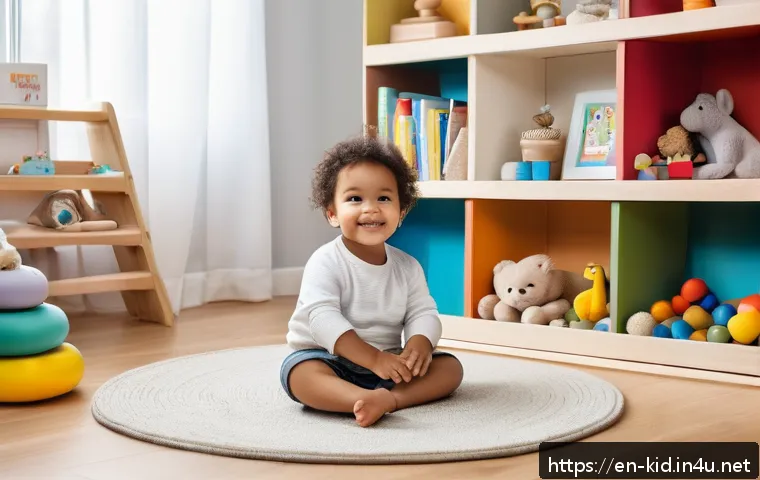
When I set up a play area for kids, I always keep in mind that the environment itself can ignite creativity. It’s not just about having toys everywhere; it’s about thoughtful placement and variety.
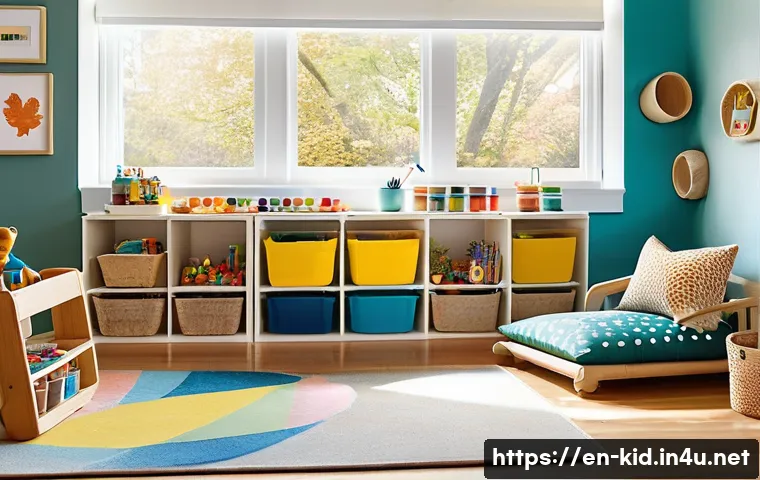
Open shelves with art supplies, blocks, and natural materials like leaves or stones encourage children to experiment freely. I’ve noticed that when kids can easily access materials without constant adult intervention, their imagination flows more naturally.
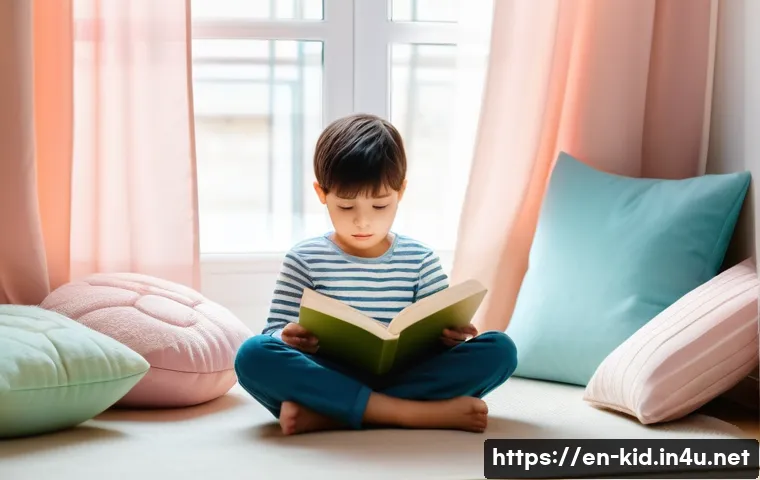
A cozy nook with cushions or a little tent can become a spaceship, a castle, or a secret hideout depending on their mood. This sense of ownership over their creative zone makes a huge difference in how they approach play and learning.
Encouraging Risk-Taking Through Safe Boundaries
Creativity thrives when children feel safe enough to take risks without fear of failure. I’ve found that setting clear, but flexible boundaries helps kids push their limits while knowing they’re supported.
For example, allowing a child to mix paint colors wildly or build a towering block structure that might topple teaches resilience and experimentation.
When adults avoid overly correcting or controlling the process, children learn that making mistakes is part of creating something new. This balance between freedom and guidance is key to nurturing their innovative spirit.
Incorporating Natural Elements to Stimulate Curiosity
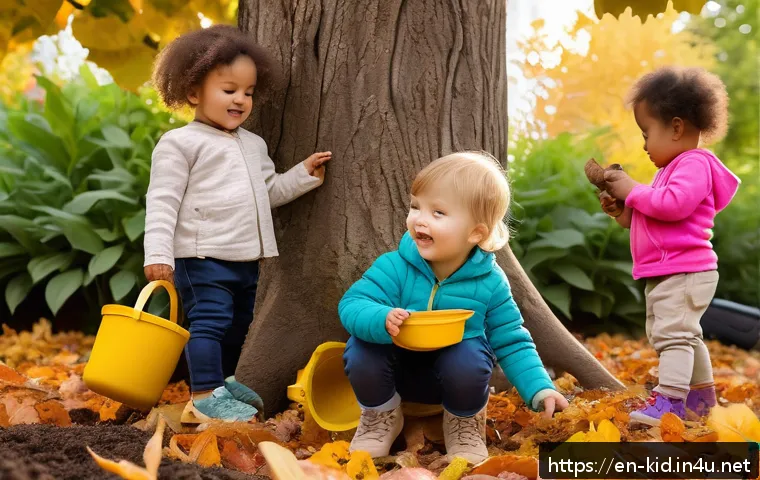
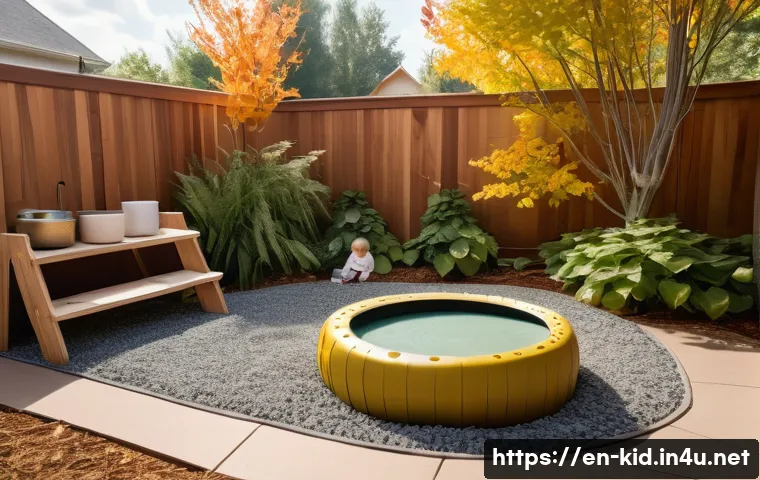
Adding natural elements to creative activities can deepen children’s connection to the world around them. Whether it’s collecting twigs for a craft project or using water and sand for sensory play, these materials add layers of texture and possibility.
I remember one afternoon when a simple pile of autumn leaves turned into a storytelling session about forest adventures. Nature invites endless stories and ideas, making it a perfect catalyst for creativity.
Plus, it encourages mindfulness and observation skills, which are essential for any young learner.
Fostering Storytelling as a Creative Outlet
Using Personal Experiences to Build Stories
One of the most powerful ways to nurture creativity is by encouraging kids to tell their own stories. I often ask children about their day or dreams and help them shape these into narratives through drawing or role-play.
This personal connection makes the storytelling process more meaningful and engaging. I’ve seen shy kids blossom into confident narrators when they realize their experiences and imagination matter.
Storytelling also enhances vocabulary, sequencing skills, and emotional expression—all wrapped up in a fun activity.
Integrating Storytelling with Art and Play
Combining storytelling with other creative activities amplifies its impact. For instance, after hearing a story, children can illustrate scenes or create puppets representing characters.
When they act out parts of their story with friends, it deepens their understanding of perspective and collaboration. I once facilitated a session where kids made masks and then improvised dialogues, which boosted their social skills and empathy.
This multi-modal approach keeps creativity dynamic and accessible for different learning styles.
Encouraging Open-Ended Questions to Expand Ideas
To keep stories alive and growing, I make it a habit to ask open-ended questions like “What happens next?” or “How does your character feel?” These prompts challenge children to think beyond the obvious and explore possibilities.
It’s amazing how a simple question can turn a short tale into an epic adventure. This technique also teaches critical thinking and helps kids connect cause and effect in their narratives, setting a foundation for problem-solving skills later on.
Supporting Emotional Expression Through Creative Arts
Recognizing Art as a Language of Feelings
Children often struggle to verbalize complex emotions, but through art, they find a safe outlet. I’ve seen kids express joy, frustration, or fear with colors and shapes before they could even put those feelings into words.
This nonverbal communication is powerful because it validates their inner world without judgment. Supporting this process by showing interest and asking gentle questions can deepen their emotional awareness and vocabulary over time.
Using Music and Movement to Release and Explore Emotions
In my experience, integrating music and movement into creative play offers another dimension for emotional expression. Dancing to different rhythms or experimenting with sound-making instruments helps children embody feelings physically.
It’s especially helpful for those who might feel restless or overwhelmed by stillness. These activities not only release energy but also teach self-regulation and mindfulness in an enjoyable way.
Creating Rituals Around Creative Time to Build Security
Establishing consistent routines around creative activities can create a comforting framework for emotional exploration. For example, starting each art session with a calming breath or a brief story about feelings sets a tone of safety and intention.
I noticed that kids become more willing to take creative risks when they know what to expect and feel emotionally supported. These small rituals build trust and encourage deeper engagement in the creative process.
Encouraging Problem-Solving Through Hands-On Projects
Introducing Challenges That Inspire Innovation
I like to present children with simple challenges that invite them to think critically and invent solutions. For example, asking “How can you build a bridge that holds this toy?” sparks brainstorming and trial-and-error learning.
Kids get excited when their ideas lead to real results, and the process teaches persistence. These moments highlight that creativity isn’t just about art but also about practical thinking and adaptability.
Facilitating Group Projects to Cultivate Collaboration
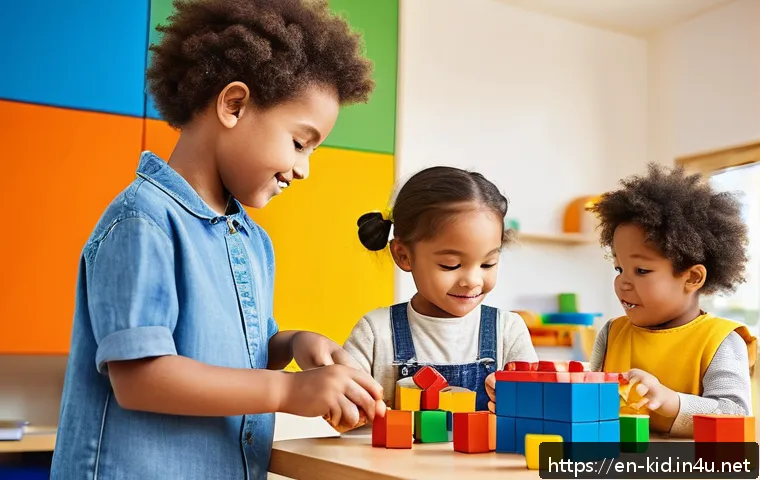
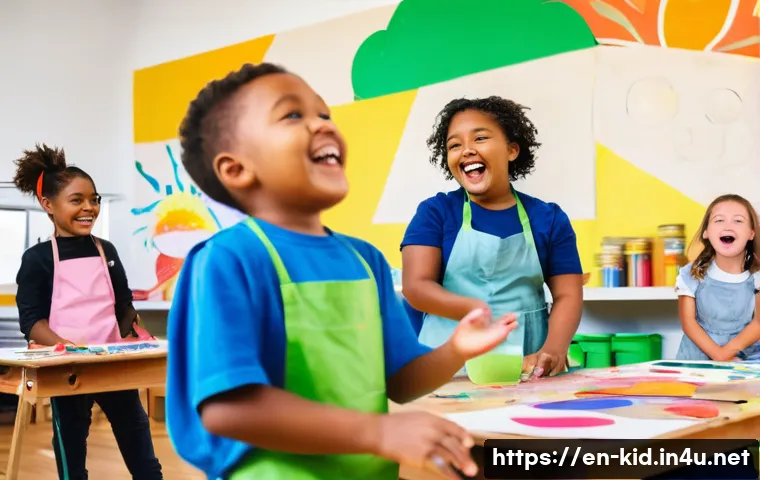
Collaborative creative projects offer rich opportunities for problem-solving and social development. When children work together to create a mural or build a structure, they negotiate ideas, share resources, and resolve conflicts.
I’ve seen firsthand how this teamwork builds communication skills and respect for different viewpoints. Plus, the shared sense of accomplishment reinforces confidence and community.
Reflecting on the Process to Reinforce Learning
After any creative project, taking time to reflect with children about what worked, what didn’t, and what they might try next can deepen learning. I ask questions like “What was the hardest part?” or “How did you figure out a solution?” This reflection helps them internalize problem-solving strategies and value the process over the outcome.
It’s a simple step that greatly enhances the educational power of creative activities.
Balancing Guidance and Freedom in Creative Play
Knowing When to Step In and When to Step Back
One of the trickiest parts I’ve encountered is finding the right balance between offering help and letting kids explore independently. Too much direction can stifle creativity, but too little can lead to frustration.
I try to observe carefully and intervene only when necessary, offering suggestions rather than instructions. This approach respects their autonomy while providing a safety net when needed.
Encouraging Choice to Empower Decision-Making
Giving children choices about materials, themes, or methods empowers them to take ownership of their creative process. I often lay out different options and let them decide what excites them most.
This freedom boosts motivation and helps them develop decision-making skills. It’s fascinating how even small choices can lead to diverse and unexpected creations.
Celebrating Effort Over Perfection
Fostering a mindset that values effort and experimentation rather than perfect results is crucial. I make it a point to praise the process, the ideas, and the persistence I see, rather than just the finished product.
This encouragement helps children feel safe to try new things and view mistakes as learning opportunities, which is essential for lifelong creativity.
Tools and Materials That Inspire Young Creators
Choosing Versatile and Open-Ended Supplies
I prefer materials that can be used in multiple ways, like clay, paint, recycled objects, or fabric scraps. These supplies invite endless possibilities and encourage kids to think outside the box.
Unlike kits with predetermined outcomes, open-ended materials let each child’s unique creativity shine through. I’ve noticed that when kids have access to such tools, they engage longer and more deeply.
Incorporating Technology Mindfully
While screens can sometimes hinder imaginative play, I believe there’s a place for thoughtful technology use. Apps that promote drawing, storytelling, or music creation can complement hands-on activities.
The key is moderation and ensuring tech serves as a tool for expression, not just passive consumption. When I’ve introduced digital creativity, it’s been exciting to see kids blend traditional and modern methods.
Maintaining and Rotating Supplies to Keep Interest Alive
Keeping creative materials fresh and inviting can be a challenge, but rotating supplies helps maintain enthusiasm. I swap out certain items every few weeks to introduce new textures, colors, or challenges.
This simple strategy renews curiosity and prevents boredom. Plus, organizing materials in clear containers with labels makes it easier for kids to find what they want and feel confident in their choices.
| Creative Activity Type | Key Benefits | Recommended Materials | Adult Role |
|---|---|---|---|
| Art & Craft | Enhances fine motor skills, emotional expression, imagination | Paints, crayons, paper, clay, recycled items | Provide materials, encourage exploration, ask open questions |
| Storytelling & Role Play | Boosts language development, empathy, sequencing | Puppets, costumes, storytelling cards, props | Facilitate prompts, listen actively, support narratives |
| Sensory Play | Improves focus, sensory integration, creativity | Sand, water, natural elements, textured fabrics | Create safe space, observe reactions, introduce variations |
| Building & Problem-Solving | Develops critical thinking, persistence, collaboration | Blocks, LEGO, connectors, everyday objects | Pose challenges, encourage teamwork, reflect on process |
| Music & Movement | Supports emotional release, coordination, rhythm awareness | Instruments, scarves, music players | Lead activities, model expression, encourage improvisation |
Celebrating Each Child’s Unique Creative Journey
Valuing Individual Styles and Preferences
Every child approaches creativity in their own way, and recognizing these differences is important. Some kids might prefer drawing quietly while others thrive in energetic group storytelling.
I always try to honor their preferences without pushing them into a one-size-fits-all mold. This respect fosters confidence and helps children trust their instincts.
Documenting Growth to Encourage Reflection
Keeping track of children’s creative projects over time can reveal amazing progress and inspire them to keep going. I like to photograph their artwork, record stories, or save building creations.
Sharing these memories with the kids helps them see how their skills and ideas evolve, which is incredibly motivating.
Encouraging Sharing Without Pressure
While sharing creations can boost social skills and pride, it’s important not to force children who are reluctant. I create opportunities for voluntary sharing in a supportive environment, which usually leads to natural participation.
Celebrating all efforts equally, regardless of public display, helps maintain a positive creative experience for everyone.
글을 마치며
Creating an environment that nurtures creativity in children is a deeply rewarding endeavor. When we provide thoughtful spaces, encourage storytelling, support emotional expression, and balance guidance with freedom, we empower young minds to explore and innovate confidently. Each child’s unique creative journey deserves celebration and gentle encouragement. With these approaches, creativity becomes a joyful, lifelong adventure.
알아두면 쓸모 있는 정보
1. Designing play areas with accessible, diverse materials sparks natural curiosity and independent exploration.
2. Setting safe boundaries encourages risk-taking while teaching resilience and problem-solving skills.
3. Integrating storytelling with art and play enhances language development and social-emotional learning.
4. Using music, movement, and natural elements enriches emotional expression and sensory experiences.
5. Rotating creative supplies and offering choices keep children motivated and engaged over time.
중요 사항 정리
Fostering creativity in children requires a balanced approach that combines freedom with gentle guidance. Providing versatile materials and inviting environments encourages exploration and innovation, while supporting emotional expression through arts builds deeper self-awareness. Encouraging collaboration and reflection strengthens critical thinking and social skills. Most importantly, respecting each child’s individual style and pace creates a positive and empowering creative experience that fuels lifelong learning and confidence.
Frequently Asked Questions (FAQ) 📖
Q: How can I create an environment that encourages creativity in my young child?
A: Creating a nurturing environment for creativity starts with offering open-ended materials like crayons, clay, and building blocks that invite exploration without strict rules.
I’ve found that setting aside a dedicated, clutter-free space where kids feel safe to experiment encourages them to take risks and express themselves freely.
It’s also important to limit screen time and instead engage in activities together, such as storytelling or imaginative play, which naturally stimulate their creativity.
Remember, your enthusiastic involvement and positive feedback can boost their confidence and make creative moments truly enjoyable.
Q: What are some simple daily activities to boost creativity in early childhood?
A: From my experience, everyday moments can be transformed into creative opportunities. For example, cooking together lets kids experiment with colors and textures while developing fine motor skills.
Storytelling, whether making up tales or discussing pictures in a book, sparks imagination and language skills. Outdoor play is also fantastic—nature walks inspire curiosity and creative thinking as children collect leaves or build fairy houses.
Even simple arts and crafts projects like finger painting or making collages help children explore their ideas and emotions in a fun, hands-on way.
Q: How do creative activities benefit a child’s overall development beyond just having fun?
A: Creative activities are much more than entertainment—they’re powerful tools for building essential life skills. When children engage in creative play, they develop critical thinking by solving problems, such as figuring out how to build a tower or tell a story.
They also enhance emotional intelligence by expressing feelings through art or role-play, which helps them understand themselves and others better. From what I’ve observed, these experiences foster resilience and adaptability, skills that carry into academic success and social relationships throughout life.
Encouraging creativity truly sets the stage for well-rounded growth.